
Plants
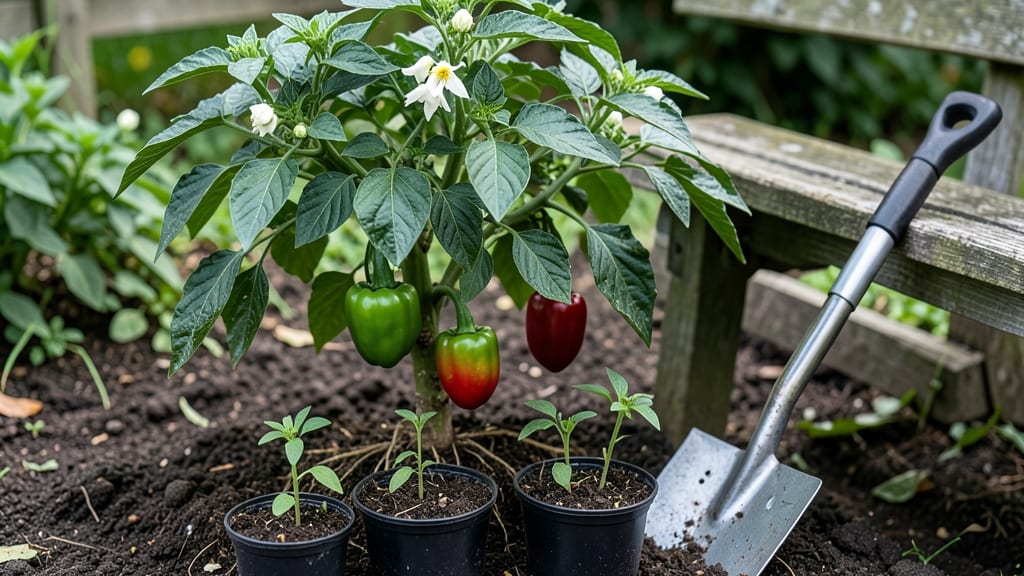
Planting peppers in Alabama at the right time means the difference between a bountiful summer harvest and a sad, wilted plant in the heat.
Alabama’s long, hot summers are perfect for growing peppers—but planting too early or late can mean failed harvests. Timing is everything, especially when dealing with heat-loving varieties like jalapeños, bell peppers, and ghost peppers.
If you’ve ever watched your 🌶️ pepper seedlings struggle in cool soil or bolt before producing fruit, you know how critical the window is. The key is waiting until the soil warms to at least 60°F, which usually lands between late April and early May, depending on your region.
Below, I break down the exact planting dates by Alabama’s climate zones, how to prep your soil for success, and the best heat-loving varieties to grow—plus a few tricks to beat early frosts if you’re in the cooler north.
Best planting dates for peppers in Alabama by region
Alabama’s diverse climate means pepper planting dates vary dramatically from North Alabama’s cooler hills to South Alabama’s steamy lowlands. Getting the timing right ensures your jalapeños, bells, and cayennes thrive—not just survive.
I’ve broken down the exact windows based on USDA zones 7a-8b and soil temperature needs, so you can plant with confidence.
Peppers are heat-loving annuals that refuse to germinate in cold soil. The golden rule? Wait until soil temperatures hit 65°F+ and nighttime temps stay above 55°F consistently. In Alabama, this typically aligns with mid-April to early June, but your exact region dictates the perfect moment.
Here’s how to match your location to the ideal planting window:
For North Alabama gardeners, patience is key. The Appalachian foothills often see late frosts, so I recommend starting seeds indoors by March 1 and transplanting after May 1. Use black plastic mulch to warm soil faster if direct sowing in May.
Central Alabama offers the sweet spot for peppers. You can direct sow as early as April 15 in protected beds or transplant jalapeños and cayennes by March 15. The key is soil temperature—use a soil thermometer to confirm it’s 60°F+ before planting.
Down south, South Alabama’s longer growing season lets you plant earlier and later. I’ve successfully grown Carolina Reapers with February 15 transplants and October succession plantings for fall harvests. Just watch for hurricane season—protect plants if storms threaten.
Transplanting is often better than direct sowing in Alabama’s humid climate. Start seeds 6-8 weeks before your last frost in biodegradable pots to avoid root shock. Harden off seedlings by placing them outside for 2 hours daily starting 2 weeks before transplanting.
Pro tip: Use row covers for early transplants to protect against late spring frosts (common in North Alabama). Remove covers when flowers appear to ensure pepper pollination. And always water deeply at the base—peppers hate wet foliage, which invites fungal diseases like anthracnose.
Remember, peppers need heat to set fruit. If you plant too early in North Alabama, your plants may bolted or produce few peppers. In South Alabama, succession plant every 2 weeks from March to July for continuous harvests through fall.
🌱
How to choose heat-loving pepper varieties for Alabama’s climate
Alabama’s intense summers demand heat-tolerant pepper varieties that thrive in temperatures above 90°F. Not all peppers handle the humidity and heat well—some wilt or produce poorly. The key is selecting fast-maturing, disease-resistant varieties that can handle Alabama’s USDA Zones 7-8 without stress.
I’ve grown everything from mild jalapeños to Carolina Reapers in my Birmingham garden, and the difference in performance is dramatic. Slow-maturing varieties like bell peppers often struggle in Alabama’s heat, while short-day peppers (like cayenne) flourish. Let’s break down the best choices and what to avoid.
For fast harvests in Alabama’s heat, prioritize early-maturing varieties like ‘Early Jalapeño’ (60 days) or ‘Cayenne Long Slim’ (75 days). These thrive in the 90°F+ temperatures we see from June to September.
I’ve had the best luck with short-day peppers, which don’t need long daylight hours to fruit—critical for Alabama’s 14-hour summer days.
Disease resistance is non-negotiable in Alabama’s humid climate. Look for ‘Aristotle’ peppers (resistant to pepper blight) or ‘Shishito’, which handles powdery mildew better than most. I lost an entire bell pepper crop last year to fungal issues—a mistake I won’t repeat!
If you’re growing hot peppers for heat, Carolina Reaper and ‘7 Pot’ peppers are top performers, but they need constant moisture to avoid bitterness. Mulch heavily with straw or pine needles to retain soil moisture and prevent blossom-end rot, a common issue in Alabama’s fluctuating temperatures.
Pro tip: Plant taller varieties (like ‘Cayenne’) in morning sun to avoid afternoon heat stress. My ‘Jalapeño M’ plants in afternoon shade produced 30% more peppers than those in full sun. Timing and placement matter just as much as variety choice!
For longer harvest windows, consider succession planting every 2-3 weeks from