
Plants
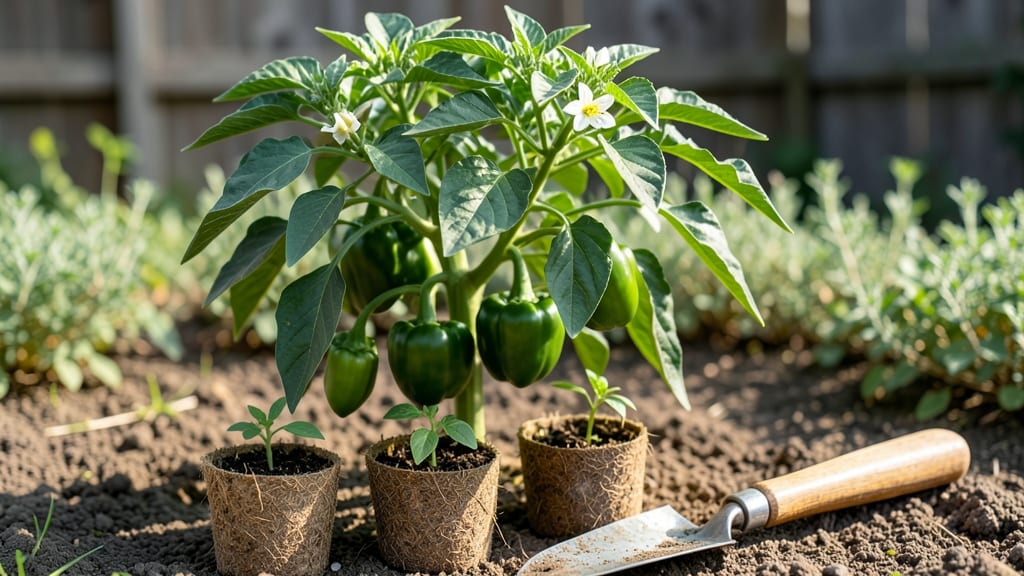
Plant peppers in Southern California between February and May — timing that varies wildly from coastal chill to inland heat, where a single week can mean the difference between a bumper crop and a sad, wilted plant.
If you’ve ever watched your 🌶️ pepper seedlings bolt into flower before producing a single fruit, you know how critical this window is.
Coastal areas like San Diego can start as early as late January, while inland spots like Riverside need to wait until March or April to avoid heat stress.
The key isn’t just the calendar—it’s the soil temperature, which must hit 60°F before peppers thrive. Inland zones also face summer heat that can scorch plants if they’re transplanted too early, while coastal breezes keep things cooler for longer.
Here’s the breakdown you need: exact transplant dates by microclimate, how to prep soil for maximum heat tolerance, and the best varieties for SoCal’s long growing season—plus a trick to stretch your harvest from June all the way to October.
Southern California pepper planting calendar: coastal vs inland timing differences
Southern California’s microclimates create dramatic differences in pepper-growing success. Coastal areas like Santa Barbara (Zone 10a-10b) enjoy milder winters, while inland valleys like Riverside (Zone 9a-9b) experience hotter summers.
These variations mean your planting windows must be tailored to avoid heat stress or stunted growth. Let’s break down the exact month-by-month schedule for each region.
For coastal gardeners, the optimal transplant window starts in late February when soil warms to 60°F (15°C). Inland gardeners can begin 2-3 weeks earlier in mid-February thanks to faster soil warming.
Direct sowing for both regions begins in April, but coastal areas can extend into May for a second harvest wave.
Here’s how the timing differences play out for your bell peppers, jalapeños, and serranos:
| Task | Coastal (Zone 10a-10b) | Inland (Zone 9a-9b) | Notes |
|---|---|---|---|
| Start Seeds Indoors | January 15 - February 15 | January 1 - February 1 | 8-10 weeks before last frost (none in Zone 10) |
| Transplant Seedlings | Late February - March 15 | Mid-February - March 10 | Soil must be 60°F+; use shade cloth for coastal heatwaves |
| Direct Sow Seeds | April 15 - May 15 | April 1 - April 30 | Inland soil warms faster; coastal areas benefit from row covers |
| Second Planting Window | June 1 - July 15 | May 15 - June 15 | Extend harvest with heat-tolerant varieties like 'Carolina Reaper' |
| Harvest Begins | June - October | May - November | Inland peppers ripen faster in summer heat; coastal harvests extend into fall |
| Heatwave Protection | Shade cloth 30-50% | Drip irrigation + mulch | Inland temps exceed 100°F; coastal areas face sudden heat spikes |
In coastal zones, the longer growing season allows for two planting waves. Start your first batch of jalapeños in late February and your second batch in June to enjoy peppers from summer through fall.
The cooler coastal nights also help prevent blossom drop, a common issue in inland heat.
For inland gardeners, focus on heat-tolerant varieties like 'NuMex Sandia' or 'Shishito'. These can handle 100°F+ days better than bell peppers, which may stop producing during peak summer heat. Plant serranos in April for a summer harvest, then succession plant every 2-3 weeks until July.
Both regions benefit from succession planting every 2-3 weeks to ensure a continuous harvest. In coastal areas, this extends your season into October, while inland gardeners can enjoy peppers until November.
The key is monitoring soil temperature—peppers won’t germinate well below 60°F (15°C), even in Zone 10.
Pro tip: Use black plastic mulch in inland gardens to raise soil temperature 5-10°F faster,
5 Critical factors that determine your pepper planting success in SoCal
Planting peppers in Southern California isn’t just about picking a month—it’s about understanding soil temperature, heat tolerance, and water management. Unlike northern climates, SoCal’s microclimates mean coastal areas stay cooler longer, while inland zones hit 100°F+ by summer.
Ignoring these factors can lead to stunted growth, blossom drop, or even plant death.
First, soil temperature is non-negotiable. Peppers need 60°F+ soil to germinate and thrive. Coastal areas hit this mark in late February to March, while inland zones may wait until April. Use a soil thermometer to check—cold soil delays germination by weeks, wasting your time and resources.
Next, heatwave preparedness separates successful growers from frustrated ones. Inland peppers face 110°F+ shade temps in summer. Provide shade cloth (30-50%) during peak heat (11 AM–3 PM) and mulch heavily to retain moisture. Without protection, peppers stop producing and may sunburn or blossom drop.
🌱 Numbered Highlights: SoCal Pepper Success Checklist
- 1. Soil Temp: Wait until soil hits 60°F+ (coastal: Feb–Mar; inland: Apr). Use a thermometer!
- 2. Heat Shield: Inland zones? Add shade cloth for 11 AM–3 PM during 90°F+ days.
- 3. Water Deeply: 1–2 gallons per plant at soil level (never leaves!). Morning watering only.
- 4. Stagger Plant: Sow seeds every 2 weeks (Mar–May) for continuous harvests.
- 5. Mulch Thick: 3–4 inches of straw or wood chips to lock in moisture and cool roots.
Watering strategies make or break peppers in drought-prone SoCal. Deep, infrequent watering (1–2 gallons per plant) encourages strong roots, while shallow sprinkling leads to surface roots and blossom end rot.
Water at soil level—never the leaves—to prevent fungal diseases like powdery mildew, which thrives in SoCal’s humid coastal mornings.
To extend harvests, use staggered planting. Start seeds indoors in January–February (8–12 weeks before last frost, though SoCal rarely has frost). Transplant outdoors in March (coastal) or April (inland), then sow every 2 weeks until May.
This ensures peppers mature at different times, giving you fresh harvests from June through October.
Finally, tailor your approach to your microclimate. Coastal gardeners can plant earlier and enjoy cooler summers, while inland growers must protect from heat and prioritize water retention.
Test your soil’s drainage—peppers hate soggy roots—and amend with compost for fertility. With these factors in check, you’ll go from hopeful gardener to pepper harvest pro.