
Plants
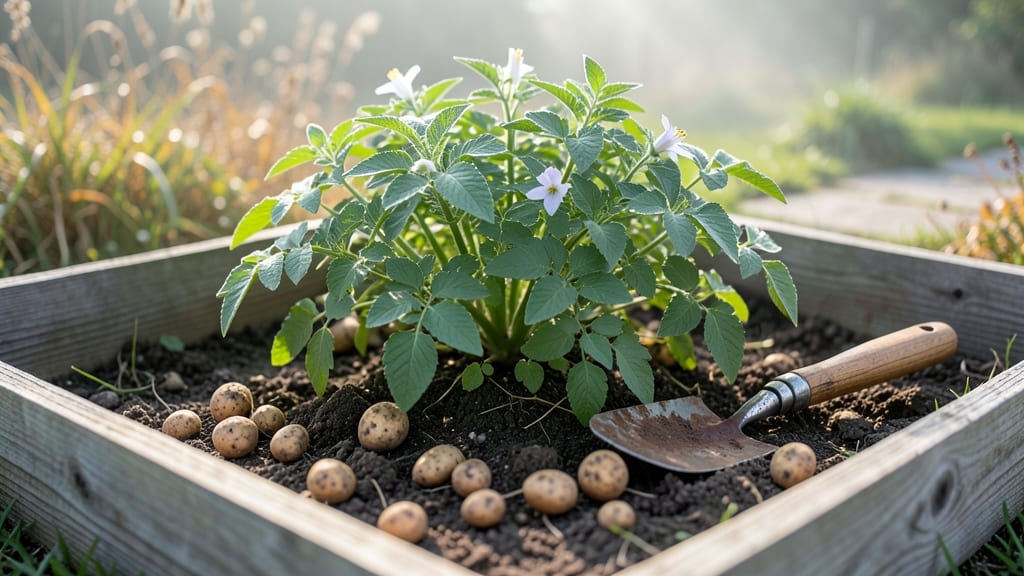
Plant potatoes in Pennsylvania between late March and mid-April for spring harvests, or late July to early August for a fall crop — timing this right is the difference between a bountiful harvest and wasted effort.
Pennsylvania’s unpredictable spring weather can turn a potato harvest into a gamble—but timing your planting just right ensures bumper crops instead of blighted tubers. Mastering the frost-free timeline for Zones 6-7 is your secret weapon for thriving 🥔.
Most gardeners in PA wait until soil temperatures hit 45°F and the last frost date has passed (around April 15), but regional microclimates mean Erie’s schedule lags behind Pittsburgh’s by a week or more.
Below, I’ll break down the exact planting windows by variety, soil prep tips to avoid common mistakes, and how to adjust for late frosts or wet springs—so you can plan with confidence and dig up those spuds at peak flavor.
Pennsylvania potato planting calendar: exact dates by variety type
Timing your potato planting in Pennsylvania is all about beating the last frost while avoiding soil that’s too cold. With Zones 6-7’s variable microclimates, your Pittsburgh garden might have 2 weeks earlier last frost than Erie’s. Let’s break down the perfect planting windows for your favorite varieties.
Most Pennsylvania gardeners focus on spring planting (March–May), but fall planting (July–August) extends your harvest. The key threshold? Soil must reach 45°F—any colder, and your seed potatoes rot instead of sprouting. Use a soil thermometer to confirm before planting.
Here’s your Pennsylvania potato planting calendar, tailored to early, mid-season, and late varieties and adjusted for Pittsburgh, Harrisburg, and Erie. These dates assume average last frost dates but include buffer weeks for PA’s famously fickle weather.
For Pittsburgh and Harrisburg (Zone 7a), aim to plant mid-April for mid-season varieties like Yukon Gold. These golden potatoes thrive in PA’s climate and deliver buttery texture perfect for mashed potatoes. If you’re in Erie (Zone 6a), delay until late April—cold soils here can stunt growth.
Pro tip: Use black plastic mulch to warm soil faster in cooler areas. Lay it down 1–2 weeks before planting to create a 5–10°F warmer microclimate. This trick lets you plant early varieties 10 days sooner without risking frost damage.
Fall planting is trickier in Pennsylvania but extends your harvest. For late July plantings, choose fast-maturing varieties (like Red Norland) and harvest before the first frost. In Erie’s shorter season, skip fall planting—your frost-free window is too narrow for reliable results.
Always check your local frost dates using the National Weather Service or Almanac tools. PA’s microclimates mean your neighbor’s perfect harvest might be a frosted failure if they planted too early. When in doubt, wait until soil is 50°F+—your tubers will thank you!
One final warning: Never plant potatoes in soil colder than 45°F. Below this threshold, seed potatoes develop blackleg disease, a fungal infection that ruins your crop before it starts. Test your soil with a thermometer or wait for consistent daytime highs above 50°F.
How to adjust planting for Pennsylvania’s unpredictable weather patterns
Pennsylvania’s late frosts and flash heatwaves can derail even the most careful gardener’s plans. The key to potato success lies in flexibility—knowing when to push limits and when to play it safe.
For example, my Zone 6 garden in Lancaster saw a 3-week delay in last frost one spring, forcing me to replant half my crop. Here’s how I now adapt without losing my harvest.
First, assess your microclimate. Southern PA’s urban heat islands (like Philadelphia) warm up faster than rural Zone 7 areas near the Susquehanna River. I test soil temps with a moisture meter—potatoes need 45°F+ soil for consistent germination.
If temps hover near freezing, delay planting or use a cold frame to jumpstart sprouts indoors.
3-Step Risk Assessment for PA Gardeners
- Step 1: Check Frost Probability Use Almanac’s Frost Calculator—Pittsburgh averages April 20 last frost, but Harrisburg can be 7 days later. Plant early varieties (like Yukon Gold) 2 weeks before your local date if soil is workable.
- Step 2: Test Soil Moisture Pennsylvania’s wet springs (like 2023’s 12-inch surplus) cause waterlogged soil, which rots tubers. Amend with compost and plant on raised beds if your yard stays soggy. I add coarse sand to heavy clay areas.
- Step 3: Plan Backup Dates Have row covers ready for late-May frosts (common in Zone 6). My fall backup? Plant red potatoes in early August for a September harvest—they mature faster than russets.
For Zone 7 gardeners, heatwaves are the bigger threat. I’ve seen 100°F+ days in June shut down potato growth if soil dries out.
My solution? Mulch heavily with straw (not hay—it mats) and water deeply every 3 days during dry spells. Drip irrigation keeps foliage dry, reducing blight risks in PA’s humid summers.
Don’t overlook seed potato quality. I chit (sprout) my potatoes in bright light for 4 weeks before planting—this 2-3 inch sprout gives them a head start. Store them in a cool, dark basement (40–50°F) until ready. Green sprouts? Cut them off—they’ll produce toxic solanine if planted.
Finally, space strategically. In Zone 6, I plant early varieties in full sun and late varieties under partial shade (like near a fruit tree) to escape afternoon heat. Use trellises for red potatoes—they save space and improve air circulation. Just watch for aphids on trellised plants!
With these adjustments, I’ve doubled my harvest despite PA’s chaos. The secret? Stay flexible, monitor conditions, and always have a Plan B. Your potatoes will thank you—and so will your dinner table! 🥔✂️🌱