
Plants
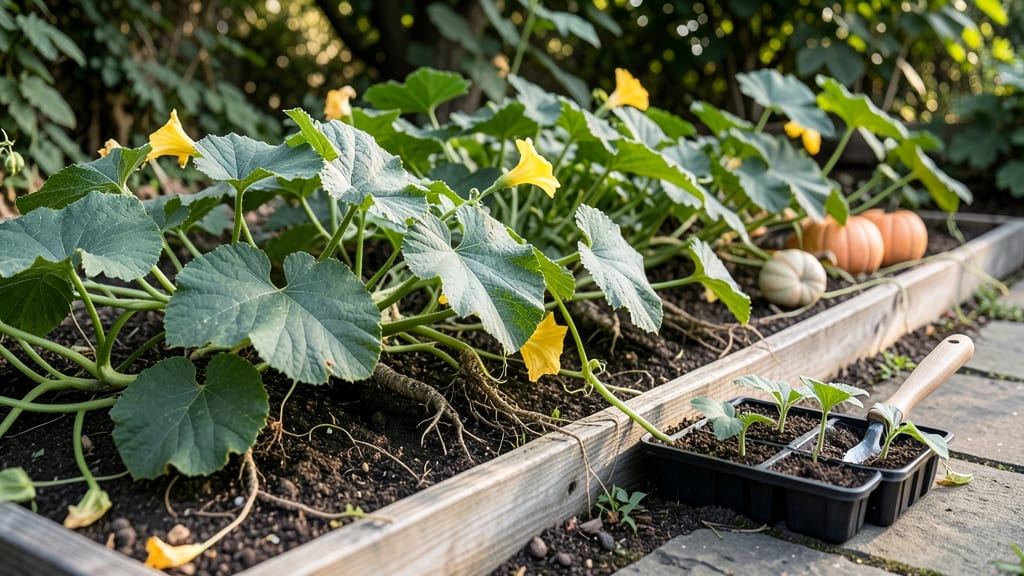
To plant pumpkin seeds in Georgia, aim for mid-April to early June after the last frost 🎃 — timing matters more than you might think.
Georgia’s warm climate and long growing season make it perfect for pumpkins—but timing your seeds wrong can mean the difference between a bountiful harvest and a sad, wilted vine.
In Zone 7b, where frosts linger a little longer, wait until late April, while Zone 8b gardeners can start as early as mid-April. The key is soil temperature: seeds need 60°F+ to sprout.
Below, I’ll break down the exact frost-free planting windows, soil prep tips, and how to extend your season for bigger harvests—no guesswork, just Georgia-specific know-how.
Georgia pumpkin planting calendar: exact dates by Zone 7a vs 8b
Georgia’s pumpkin growing season thrives in Zones 7a and 8b, but the exact planting window depends on your location. In Zone 7a (northern GA), last frost typically hits March 15-30, while Zone 8b (southern GA) sees frost-free conditions by February 15-March 1.
Planting too early risks frost damage, while waiting too long cuts harvest time.
Pumpkin seeds need soil temperatures above 60°F (15°C) to germinate properly. In Zone 7a, soil warms to this threshold around mid-April, while Zone 8b reaches it by late March. Always check soil temp with a thermometer—cold soil delays germination by 2-3 weeks.
Your ideal planting window is just 2 weeks after your last frost date. For Zone 7a, that’s April 15-May 1, while Zone 8b gardeners should plant March 15-April 15. This timing ensures vines mature before first fall frosts (Nov 15).
📅 Comparison Table: Georgia Pumpkin Planting by Zone
For Zone 7a gardeners, late April is your last chance for a full-season harvest. Planting after May 1 risks immature pumpkins before frost. In Zone 8b, you can push planting to mid-April for a second harvest, but expect smaller fruits.
Always harden off seedlings if starting indoors. Move trays outside for 1 week before transplanting to prevent shock. Direct sowing is easier—just plant seeds 1 inch deep in hills spaced 4-6 feet apart.
Watch for squash vine borers in Georgia’s heat. Use row covers early in the season to protect young vines. Remove any yellowing leaves immediately—they’re a sign of infestation.
After planting, maintain 1-2 inches of water weekly. Pumpkins need consistent moisture during flowering (6-8 weeks after planting). Let soil dry slightly between waterings to prevent powdery mildew.
Mark your calendar for September-October harvests. Pumpkins are ready when their rinds are hard and stems turn brown. Cure them in the sun for 10 days to improve storage life.
Pro tip: In Zone 7a, try early-maturing varieties like ‘Jack Be Little’ (75 days) to squeeze in a harvest. In Zone 8b, experiment with winter squash for extended growing seasons.
How to extend your Georgia pumpkin growing season for bigger harvests
Georgia’s pumpkin season doesn’t have to end with the standard 2-week window. With the right techniques, you can push your harvest 2-4 weeks earlier or 1-2 weeks later than typical, giving you more time for bigger, healthier pumpkins.
The key is combining cold-hardy varieties, soil warming, and protective covers to shield tender seedlings from unexpected chills.
Even in Zone 7a-8b, late spring frosts or early fall cold snaps can ruin your pumpkin patch. But by preparing your soil and choosing the right tools, you can create a microclimate that lets your pumpkins thrive outside the ideal planting window.
Let’s explore how to extend your season without sacrificing yield or quality.
- 1 Start with cold-hardy varieties like ‘Jack Be Little’ or ‘Cinderella’, which tolerate 50°F soil temps and can handle light frosts. These varieties give you a 10-14 day head start over traditional types.
- 2 Use black plastic mulch to warm soil 5-10°F faster than bare ground. Lay it down 2-3 weeks before planting to create a 70°F+ microclimate, ideal for early starts.
- 3 Protect seedlings with row covers (like floating fabric) to shield them from 32-40°F temps. Remove covers when flowers appear to allow pollination, but reapply if nights dip below 55°F.
- 4 Try a mini greenhouse or cold frame for late-season starts. These can extend your harvest window by 3-4 weeks by trapping heat and preventing early frost damage to young plants.
- 5 Water deeply before frost to build soil moisture reserves. This helps roots survive short-term cold snaps (down to 28°F) and bounce back faster in spring for extended harvests.
For early planting, aim to sow seeds 4-6 weeks before your last frost date using a soil warming mat or compost heap nearby to raise ground temps. In Zone 7a, this could mean planting as early as late March if you take these precautions.
Just be ready to cover seedlings if nighttime temps drop below 50°F.
If you’re pushing for a late-season harvest, focus on fast-maturing varieties like ‘Autumn Gold’ (75 days) and use row covers until mid-September to protect developing fruit. Combine this with drip irrigation to keep soil moist—dry conditions in fall can stunt pumpkin growth just as much as cold.
Don’t forget to monitor your local forecast and adjust protections accordingly. A single unexpected frost can wipe out unprotected plants, but with these strategies, you’ll be harvesting pumpkins well past the traditional window.
The key is preparation—warm soil, cold-hardy seeds, and protective barriers will give your pumpkins the best shot at success.