
Plants
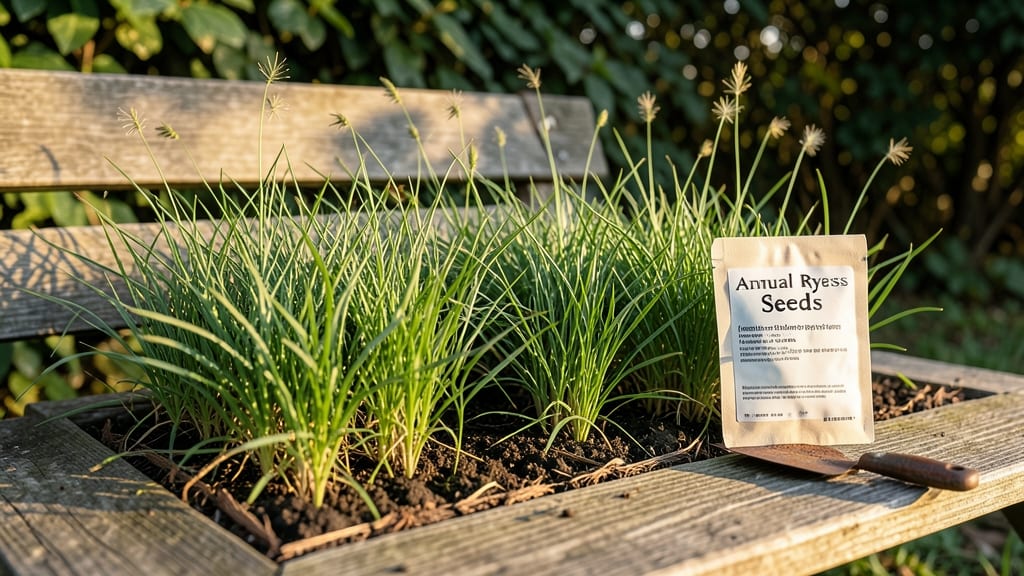
Planting ryegrass in Louisiana at the right time ensures fast germination and a thriving cover crop 🌾—aim for late summer or winter, when soil temps and moisture align perfectly.
Louisiana’s humid subtropical climate creates a narrow window for planting ryegrass—miss the timing, and you risk slow germination or even failure. But with the right microclimate deadlines, you can ensure a lush, fast-growing cover crop that thrives in the Bayou State’s unique conditions.
Most gardeners in USDA zones 8a-9b plant ryegrass between August and October for a fall cover or in December and January for winter growth. The key is avoiding the heat spikes of summer and the late frosts of spring, which can stress young seedlings.
Below, I break down the exact planting dates by region, soil prep tips for Louisiana’s clay-heavy soils, and how to adjust for unpredictable weather—so you get fast germination and a healthy stand every time.
Louisiana ryegrass planting calendar: optimal dates by microclimate zone
Louisiana’s three distinct microclimates—North, Central, and South—create unique planting windows for ryegrass. In North Louisiana (USDA Zones 7b-8a), cooler temperatures arrive earlier, while South Louisiana (Zones 8b-9a) stays warm longer.
Timing your planting to match these zones ensures fast germination and robust growth before winter sets in.
For all regions, soil temperature is critical—ryegrass thrives when soil reaches 55-65°F. In Louisiana, this typically aligns with late August through October for fall planting or December through January for winter cover. Missing these windows can lead to slow establishment or even seed rot during heavy rains.
Here’s how to align your planting with Louisiana’s three microclimates, including backup dates for delayed starts:
In North Louisiana, aim to plant by September 15 to avoid early frosts. The region’s cooler climate means seeds germinate faster, but soil preparation is key—amend with compost to improve drainage.
If you miss the primary window, October 1–15 is a backup, but monitor rainfall closely to prevent seed washout.
Central Louisiana gardeners have a slightly longer window—September 1–October 1—thanks to milder temperatures. However, hurricane season (August–October) can disrupt planting. Always check the National Weather Service for storm alerts before sowing. If delayed, October 16–31 works, but prioritize well-draining soil to compensate for heavier rains.
South Louisiana’s warmer climate extends the planting window to September 15–October 15, but humidity and occasional tropical downpours demand extra care. Use raised beds or sandy loam soil to prevent waterlogging.
If you wait until November, opt for fast-germinating varieties like ‘Marshall’ ryegrass, which tolerates heat better than others.
For all regions, winter planting (December–January) is ideal for cover crops. Target December 1–January 15 to establish roots before freezing temperatures. If you’re late, January 16–February 1 is a last resort—growth will be slower, but still viable. Always mulch lightly to protect young seedlings from cold snaps.
Pro tip: Use a soil thermometer to confirm temperatures. Ryegrass seeds need consistent warmth to germinate—if soil dips below 50°F, germination slows dramatically. In South Louisiana, this is rarely an issue, but North Louisiana may need row covers for early fall plantings.
Finally, adjust your seed depth based on moisture: 1/4 inch deep in dry soil, 1/8 inch in damp conditions. Overwatering can bury seeds too deep, stunting growth. With these microclimate-specific deadlines, your ryegrass
How to adjust planting timing for Louisiana’s unpredictable weather patterns
Louisiana’s weather can shift from scorching heat to sudden cold snaps faster than you can say "cover crop." For ryegrass, these swings mean the difference between a thriving fast-growing cover and wasted seeds. The key is flexibility—adjusting your planting strategy to match Louisiana’s microclimates and rainfall patterns.
Start by testing your soil temperature before planting. Ryegrass germinates best when soil is between 55°F and 75°F. In Louisiana’s humid subtropical climate, this often means planting in late August to October or December to January. But if a heatwave delays germination, don’t panic—adjust your approach.
⚠️ callout warning
Louisiana’s sudden downpours can wash out newly sown ryegrass seeds. If forecasted rain exceeds 1 inch in 24 hours, delay planting until skies clear. Use a light mulch (like straw) to protect seeds if you must plant before rain arrives.
For late-summer plantings, aim for seed depth of 1/4 inch—shallow enough to avoid drowning in heavy rains but deep enough to protect from bird scatter. In northern Louisiana, where cold snaps hit earlier, plant 6 weeks before the first frost (usually by November 1).
In southern Louisiana, extend your window until December 15.
Use drip irrigation or soaker hoses to maintain consistent moisture without overwatering. Ryegrass needs 1/2 inch of water weekly, but Louisiana’s humidity means you can reduce frequency if rain is frequent. Always water in the early morning to prevent fungal diseases from evening dampness.
If a cold snap threatens young seedlings, cover them with row fabric or straw mulch. Remove it once temperatures rise above 40°F to avoid overheating. For overseeding in spring, wait until soil warms to 60°F—usually March to early April—to avoid seed rot from lingering moisture.
Monitor your garden’s microclimate closely. Shady spots may stay cooler longer, while sunny areas can dry out faster. Adjust planting dates and watering schedules based on real-time conditions. With these strategies, you’ll turn Louisiana’s unpredictable weather into an advantage for fast, reliable ryegrass growth. 🌱