
Plants
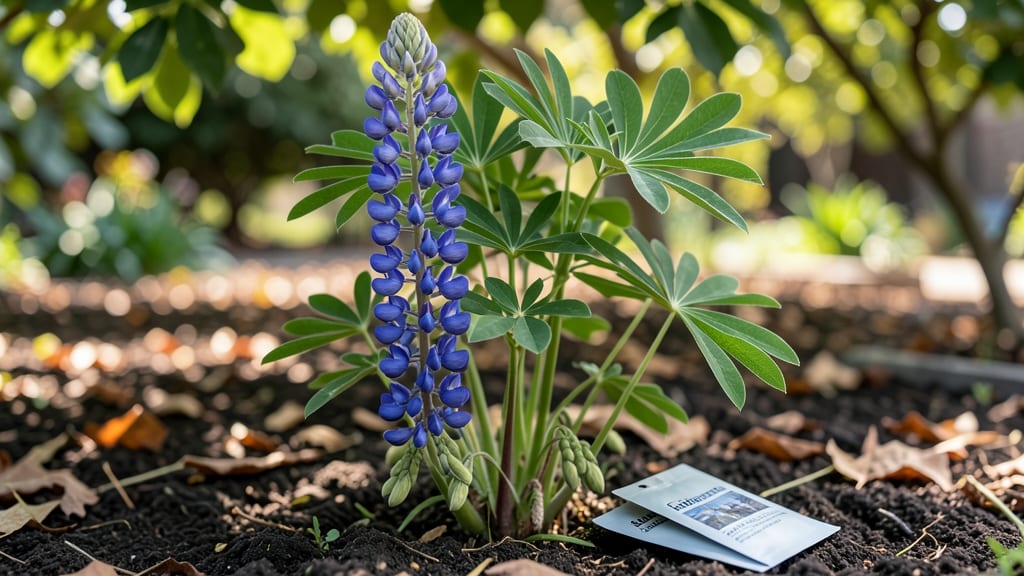
To plant seeds in Colorado, aim for late April to early June—timing that avoids late frosts while catching the sweet spot before summer’s dry heat sets in.
Colorado’s unpredictable weather can turn gardening into a gamble—unless you know the exact planting windows for your zone. Get your seeds in the ground too early, and frost will zap them; too late, and summer heat will stifle growth.
Here’s your zone-by-zone planting calendar to maximize germination rates and harvest success.
Whether you’re in Denver’s Zone 5, the Western Slope’s Zone 6-7, or the Eastern Plains’ Zone 4, the right timing makes all the difference. Learn how to adjust for high-altitude microclimates and drought-resistant varieties that thrive in Colorado’s short growing season.
Inside, you’ll find a downloadable planting calendar with key deadlines for everything from peas to tomatoes, plus pro tips to stretch your harvest well into fall.
Colorado planting zones & seed starting deadlines by month
Colorado’s diverse USDA zones 4-7 create wildly different planting windows. The Front Range (Denver, Boulder) sits in zones 5-6, while the Western Slope (Grand Junction) is zone 6-7, and the Eastern Plains (Pueblo) spans zones 5-6. These variations mean your last frost dates can differ by weeks—critical for seed timing.
For example, Denver’s average last frost is May 15, but Grand Junction’s is April 1. Getting these dates wrong can mean lost crops or wasted seeds.
To simplify, I’ve broken down indoor seed-starting deadlines and direct-sowing windows by month for each zone. Whether you’re growing cold-hardy peas or heat-loving tomatoes, timing is everything. Start too early, and seedlings will get leggy; too late, and you’ll miss the growing season entirely.
Let’s dive into your zone-specific calendar to ensure your seeds sprout when they should and thrive until harvest.
🌱 Key Tip: Always check your microclimate—urban Denver can be 10°F warmer than nearby foothills, delaying frost dates. Use a soil thermometer to confirm readiness; seeds need 40°F+ for germination.
| Zone/Region | Last Frost Date | Indoor Starts (Cold-Hardy) | Indoor Starts (Tender Crops) | Direct Sow (Cool-Season) | Direct Sow (Warm-Season) |
|---|---|---|---|---|---|
| Front Range (Zones 5-6) | May 15 | Feb 15 - Mar 15 | Mar 1 - Apr 15 | Mar 1 - Apr 30 | May 15 - Jun 15 |
| Western Slope (Zones 6-7) | Apr 1 | Jan 15 - Feb 15 | Feb 1 - Mar 15 | Feb 15 - Apr 15 | Apr 15 - May 15 |
| Eastern Plains (Zones 5-6) | May 1 | Feb 1 - Mar 1 | Mar 1 - Apr 1 | Feb 28 - Apr 15 | May 1 - Jun 1 |
📅 Pro Tip: Use row covers to extend your cool-season window by 2-3 weeks in zones 5-6.
For cool-season crops like kale, spinach, and peas, you can start seeds indoors as early as February in zones 6-7 (Western Slope). In zones 5-6 (Front Range/Eastern Plains), wait until mid-February to avoid leggy seedlings.
These crops handle light frosts, so direct sow as soon as soil is workable—even if it’s still chilly. I’ve had peas germinate successfully in 35°F soil with a little protection.
Tender crops like tomatoes, peppers, and cucumbers need warmth, so start them indoors 4-6 weeks before your last frost date. In Denver (zone 5), that means early March for transplanting outdoors by May 15.
If you’re in zone 7 (Western Slope), you can push starts to mid-February for earlier harvests. Always harden off seedlings for 7-10 days before planting—Colorado’s wind and sun can shock tender plants.
Direct sowing warm-season crops too early is a common mistake. Wait until soil temps hit 60°F+—use a soil thermometer to check. In Denver, that’s usually mid-May, while Grand Junction can start early April.
For succession planting, sow bush beans or lettuce every 2 weeks from May through July to keep harvests rolling in. I’ve found that succession planting doubles my harvest yield with minimal extra effort.
Don’t forget about fall planting! In zones 6-7, you can direct sow spinach and radishes as late as August 15 for harvests before the first frost. In zones 5-6, aim for July 15.
Use black plastic mulch to warm soil for late-season tomatoes—I’ve extended my harvest by 3-4 weeks this way. Always check your first frost date (typically October 15 in Denver, November 1 in Grand Junction) to plan accordingly.
For high-altitude gardens (above 6,000 ft), like those in Boulder or Estes Park, adjust your timeline 1-2 weeks later than the Front Range averages. Cooler temps slow germination, so soak seeds overnight before planting and use
Top 10 fastest-germinating seeds for Colorado’s short growing season
Colorado’s short growing season demands seeds that sprout quickly to beat frost and deliver harvests before summer heat sets in. With 30–100 days between last frost and first frost in most zones, timing is everything.
These top 10 cold-hardy varieties germinate in 3–10 days and thrive in Colorado’s USDA zones 4–7, even when soil temps hover near 40°F. Let’s dive into the fastest performers and their ideal planting windows.
Fast germination isn’t just about speed—it’s about soil temperature, moisture consistency, and spacing strategy. For example, radishes pop up in just 3–4 days when soil is 50°F+, while peas (another top contender) tolerate cooler 40°F soils and sprout in 7–10 days.
Below, I’ve ranked these seeds by germination speed, cold tolerance, and Colorado-specific spacing tips to maximize your harvest window.
🌱 Fastest-Germinating Seeds for Colorado
- 1. Radishes – 3–4 days | 50°F+ soil | 1" apart | Ready in 25–30 days
- 2. Lettuce (Leaf) – 4–7 days | 45–60°F soil | 6–12" apart | Harvest in 30–40 days
- 3. Spinach – 5–10 days | 40–50°F soil | 4–6" apart | Cut-and-come-again
- 4. Peas (Sugar Snap) – 7–10 days | 40–50°F soil | 2–3" apart | Harvest in 60–70 days
- 5. Arugula – 5–8 days | 50–60°F soil | 8–12" apart | Bold peppery flavor
- 6. Kale (Dwarf) – 6–10 days | 45–60°F soil | 12–18" apart | Cold-hardy to 20°F
- 7. Mustard Greens – 4–7 days | 50–60°F soil | 6–12" apart | Heat-tolerant
- 8. Turnips (Greens) – 5–8 days | 50–60°F soil | 2–3" apart | Edible roots + greens
- 9. Beets (Baby) – 6–12 days | 50–65°F soil | 2–3" apart | Harvest at 2"
- 10. Cilantro – 7–14 days | 55–70°F soil | 6–12" apart | Bolts in heat
💡 Pro Tip: For high-altitude areas (zones 5–6), start radishes and lettuce indoors 4–6 weeks before last frost to extend your season.
When planting these fast-germinating seeds, prioritize well-draining soil and consistent moisture. For example, radishes and arugula thrive in cool, moist conditions, while spinach and kale tolerate light frosts after sprouting.
Use row covers in early spring to warm soil faster and protect tender seedlings from late frosts, which are common in Colorado’s zone 4–5 areas.
Spacing is critical for quick harvests. Overcrowding slows growth and increases disease risk. For instance, lettuce and spinach should be 6–12 inches apart to prevent competition, while radishes can be sown 1 inch apart in tight rows for a dense harvest.
Thin seedlings as soon as they’re 2 inches tall to avoid stunted growth. In Denver or Boulder (zone 5), succession plant every 2 weeks for continuous harvests.
Don’t overlook soil temperature—it’s the #1 factor in germination speed. Use a soil thermometer to monitor temps. Most of these seeds germinate best between 50–60°F, but peas and spinach can sprout in 40°F soil.
If your soil is too cold, try black plastic mulch or straw bales to warm it 5–10°F faster. In Western Slope zones (6–7), where summers are hot, focus on spring and fall plantings to avoid bolting.
For maximum success, pair these seeds with companion plants that improve growth. For example, cilantro thrives near lettuce and peas, while radishes deter cabbage moths when planted with kale.
Rotate crops yearly to prevent soil-borne diseases. With these fast-germinating varieties, you’ll enjoy harvests in as little as 25 days—perfect for Colorado’s short but sweet growing season.