
Companion Plants
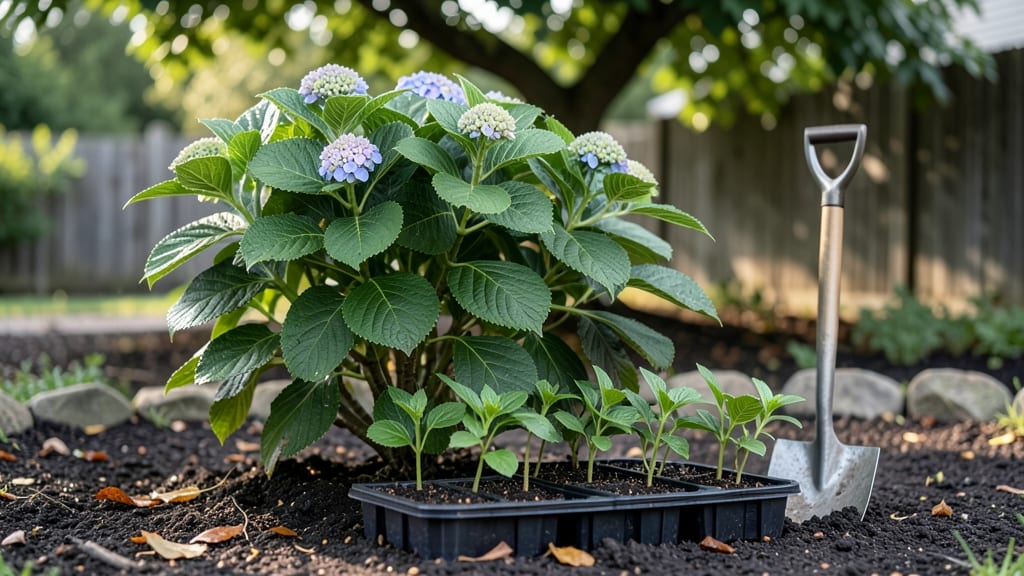
Planting shrubs in Pennsylvania at the right time means the difference between a thriving 🌿 hedge and one that struggles to take root.
Pennsylvania’s unpredictable climate can make shrub planting tricky—but timing matters more than you think for establishing deep, resilient roots. Planting at the wrong season could leave your shrubs struggling, while the right window unlocks faster growth and better survival rates.
Whether you’re in USDA zones 5b-7a, early spring or fall is your best bet. Spring planting (March-April) gives shrubs a head start before summer heat, while fall (September-October) lets them settle in before winter dormancy.
Below, I’ll break down the exact timing for your region, how to prep soil for each season, and which shrub types (evergreen, deciduous, flowering) thrive with each approach—so you can pick the perfect moment for planting.
Best fall planting times for shrubs in Pennsylvania: why late season works
Fall planting might seem counterintuitive, but Pennsylvania’s cooler temperatures and consistent moisture create perfect conditions for shrubs to establish deep root systems before winter. Unlike spring, when heat stress and drought can stunt growth, fall offers a 6-8 week window where shrubs thrive without competition from weeds or pests.
This is why landscape professionals swear by late-season planting for higher survival rates.
Science backs this up: Soil temperatures between 50°F and 60°F (ideal for root growth) persist in Pennsylvania through September and October. During this time, moisture retention improves as evaporation slows, and dormancy triggers help shrubs conserve energy for spring.
Even bare-root shrubs benefit from fall planting, as they enter dormancy with established roots before freezing.
Pennsylvania’s USDA Zones 5b-7a mean regional timing matters. Central PA (e.g., Harrisburg) has a first frost around October 15, while Pittsburgh averages October 20, and Philadelphia can stretch until mid-October. Planting 4-6 weeks before frost ensures roots have time to harden off without top growth freezing.
Here’s the golden window for fall planting by region:
| Region | Ideal Planting Window | Soil Temp Goal | Frost Prep |
|---|---|---|---|
| Central PA (Harrisburg) | September 15 – October 15 | 50°F–60°F | Mulch 3–4 inches deep |
| Pittsburgh | September 20 – October 20 | 50°F–60°F | Water deeply before frost |
| Philadelphia | September 25 – October 15 | 55°F–65°F | Use frost cloth for tender species |
| All Regions | Avoid planting after first frost | Test with soil thermometer | Avoid heavy clay soils |
To prepare your shrubs for fall planting success, start by testing your soil temperature with a thermometer—aim for 55°F–65°F at a 6-inch depth.
If your soil is too warm (above 70°F), wait a week or two for temperatures to drop. Amend heavy clay soils with compost or sand to improve drainage, as waterlogged roots can rot before winter.
When selecting shrubs, prioritize container-grown plants over bare-root, as they’ve already established some roots. For bare-root shrubs, soak roots in water for 2–4 hours before planting to rehydrate them.
Dig a hole twice as wide as the root ball but only as deep—planting too deep can suffocate roots. Backfill with native soil mixed with compost for nutrients.
Mulching is non-negotiable in Pennsylvania’s fall. Apply 3–4 inches of mulch (wood chips or straw) around the base of your shrubs, but keep it 2 inches away from the stem to prevent rot.
This mulch layer acts as insulation, protecting roots from temperature swings and freeze-thaw cycles. For extra protection, water deeply 1–2 weeks before frost to ensure roots are hydrated.
Evergreens like holly or boxwood need special care—they transpire moisture even in winter.
Water them once a month during dry spells, and consider wrapping young plants in burlap if winds are harsh. Flowering shrubs, such as azaleas or rhododendrons, should be planted in acidic soil (pH 4.5–6.0), so test your soil and amend with peat moss if needed.
One common mistake is planting too late in fall. If you miss the window, hold off until early spring (March–April) to avoid winter stress. Another pitfall is over-fertilizing—stick to a light feed in early fall (4–6 weeks before frost) to encourage root growth without stimulating tender new shoots.
Avoid high-nitrogen fertilizers, which can weaken plants before winter.
By planting in fall, you’re giving your shrubs a head start on next year’s growth. They’ll emerge in spring with stronger roots, better drought resistance, and fewer transplant shocks. Plus, you’ll avoid the crowded spring rush at nurseries! Grab your shovel and soil thermometer,
Spring planting schedule for shrubs: critical deadlines by Pennsylvania zone
Spring is my favorite time to plant shrubs in Pennsylvania because the soil warms up just enough to encourage root growth while avoiding the extreme heat of summer.
For USDA zones 5b-7a, the ideal window opens in early March and closes by mid-May—but timing varies by shrub type and region. In western PA, you can plant 2-3 weeks earlier than Philadelphia, where cooler soils linger longer.
Most gardeners focus on pre-bud break planting, which means getting shrubs in the ground before buds swell but after the last frost. This timing gives roots time to establish before the plant shifts energy to foliage growth.
In central PA, that’s typically late March to early April, while southern regions can start as early as February for heat-tolerant varieties.
⚠️ Critical Deadline Alert: Heat Stress Risk
Planting shrubs after mid-May in PA increases heat stress and transplant shock risks. By June, soil temperatures often exceed 80°F, which can burn young roots and stunt growth. Evergreens like boxwood or holly are especially vulnerable—plant them 4-6 weeks earlier than flowering shrubs.
🌡️ Pro Tip: Check soil temps with a thermometer—ideal range is 50-65°F for root establishment.
For bare-root shrubs, the window is narrower—aim for late March to early April—since they need moist, cool soil to prevent desiccation. Container-grown shrubs offer more flexibility, allowing planting until early June, but they’ll need extra watering to compensate for slower root adaptation.
Always remove containers before planting to avoid girdling roots.
Soil preparation is just as critical as timing. Work in 2-3 inches of compost or aged manure 2-3 weeks before planting to improve drainage and fertility. Pennsylvania’s clay-heavy soils benefit from gypsum if drainage is poor, and a pH test (ideal range: 6.0-7.0) ensures nutrients are available.
Loosen soil to 12 inches deep to reduce compaction and encourage deep rooting.
After planting, mulch with 3-4 inches of shredded bark to retain moisture and regulate soil temperature. Keep mulch 2-3 inches away from stems to prevent rot. Water deeply 2-3 times per week for the first month, then taper to once weekly once roots establish.
Avoid overhead watering to prevent fungal diseases like powdery mildew, which thrives in PA’s humid springs.
My biggest mistake as a new gardener? Planting hydrangeas in late May because I missed the ideal window. They struggled through the summer, and it took 2 years to recover.
Now, I mark my calendar for early April and prioritize evergreens first, followed by deciduous shrubs like lilacs and azaleas. With the right timing, your shrubs will thrive—and you’ll avoid the heartbreak of wilting plants! 🌱