
Plants
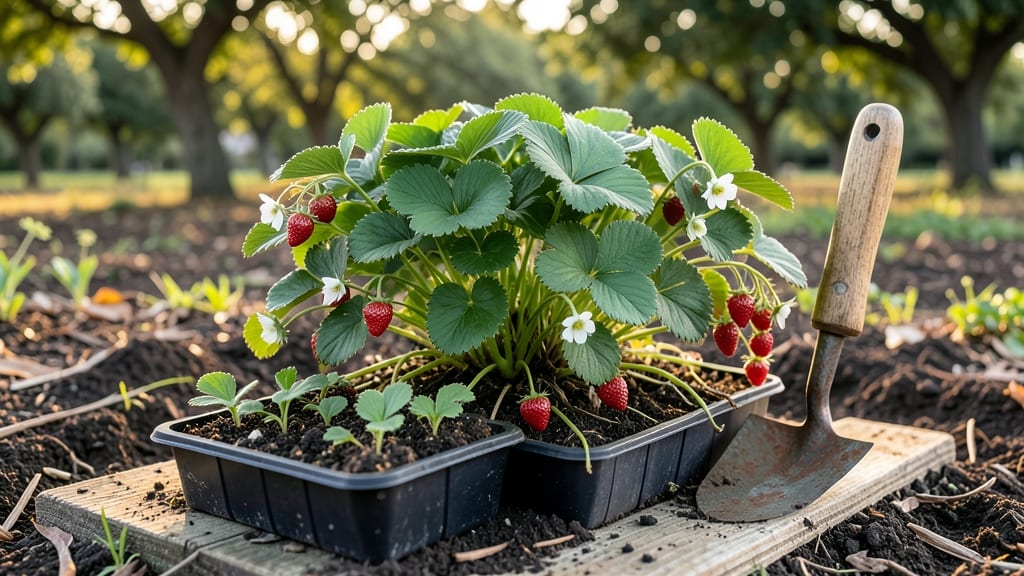
To plant strawberries in South Carolina at the perfect time means choosing between two windows—late winter or early fall—that set your 🍓 up for a harvest before the heat or frost arrives.
Timing your strawberry planting in South Carolina can mean the difference between a bountiful harvest and struggling plants—especially with the state’s diverse microclimates from coastal humidity to Piedmont heat.
If you miss the ideal February-March window, you can still plant in September for a fall harvest, but soil temperatures below 40°F will slow root growth.
The key is knowing your zone: Upstate gardeners can plant a little earlier, while coastal areas play it safer with mulch to protect young roots.
Below, I break down the exact deadlines by region, soil prep tricks to speed up growth, and which varieties thrive in your corner of the state—so you can avoid the 30-day wait that turns into a 90-day disappointment.
South Carolina strawberry planting deadlines by microclimate zone
South Carolina’s diverse climate zones—from the humid coastal plains to the cooler Upstate mountains—create unique challenges for strawberry growers. Getting your strawberry plants in the ground at the right time ensures strong root establishment before summer heat or winter frost arrives.
The key is planting when soil temperatures reach 40-50°F and frost risk is minimal, which varies dramatically across the state.
June-bearing varieties (like Chandler) thrive when planted in early fall for a spring harvest, while everbearing types (such as Seascape) benefit from both spring and fall plantings.
Below, I’ve broken down the optimal planting windows for each microclimate, including soil temperature thresholds and frost risk timelines to help you avoid common pitfalls like late-season frosts or heat stress.
🌱
For Upstate growers, the window is tight due to earlier frosts, so aim for late February or early September plantings.
The Piedmont region offers a slightly longer window, but avoid planting after late March to prevent heat stress before summer. Coastal areas can start as early as February, but soil warming is critical—use black plastic mulch to raise temperatures if needed.
In the Sandhills, where soils drain quickly, focus on early fall plantings to establish roots before summer droughts. Everbearing varieties like Seascape perform exceptionally well here because they produce fruit in both spring and fall, extending your harvest season.
If you’re growing June-bearing strawberries, prioritize the fall planting window—this gives plants time to develop strong roots before the first frost.
One common mistake is planting too early when soils are still cold. Strawberry roots struggle to establish below 40°F, leading to weak plants and poor yields.
Use a soil thermometer to confirm temperatures before planting. If your soil is too cold, wait or use row covers to protect young plants from late frosts.
For container growers, timing is even more critical. Containers heat up faster, so plant June-bearing varieties in late winter (February) and everbearing types in early fall (September). Ensure containers have drainage holes and use a well-draining potting mix to prevent root rot during South Carolina’s humid summers.
🌿
Pro tip: If you miss the ideal window, don’t panic! Many nurseries sell bare-root strawberries in late winter, which can be planted as soon as soil is workable. For a fall harvest, try planting everbearing varieties in late summer—they’ll produce fruit before winter sets in.
Just be prepared to protect them with row covers if frost threatens early.
Finally, remember that microclimates within regions can vary. If your garden sits in a frost pocket or near a large body of water, adjust your planting dates by 1-2 weeks later.
Always monitor local weather forecasts and use USDA Plant Hardiness Zone maps as a guide, but trust your own observations of soil and air temperatures most of all.
How to adjust planting timing for South Carolina’s unpredictable weather patterns
South Carolina’s weather can throw off even the most experienced gardener—late frosts in April, sudden heatwaves in May, and torrential downpours that turn soil to mud. For strawberries, these fluctuations mean missed harvests or stunted plants if you don’t adapt.
The key is flexibility: knowing when to delay planting, use soil warming tricks, or switch to fall planting entirely.
My first rule? Always check the 7-day forecast before planting. A 50°F soil temperature is ideal, but if nights dip below 32°F, protect your plants with row covers.
Coastal areas like Charleston may see warmer soil earlier, while Upstate regions like Greenville often need 2-3 extra weeks of patience. Adjusting timing isn’t just about dates—it’s about reading your microclimate.
⚠️ Late Frost Risk: Your Backup Plan
If frost warnings appear after planting:
- Use black plastic mulch to warm soil by 5-10°F.
- Cover plants with frost cloth at dusk (remove by 10 AM).
- For container-grown strawberries, move pots to a sheltered porch.
Pro Tip: Plant everbearing varieties like Seascape—they tolerate cooler temps better than June-bearing types.
For early heatwaves (common in May), delay planting until soil temps stabilize above 60°F. If you’ve already planted, shade young plants with shade cloth (30%) to prevent sunscald.
My go-to trick? Install a drip irrigation system on a timer to keep roots cool. Even 10 minutes of misting per day can save your crop during 90°F+ days.
Rainfall spikes are another challenge. Strawberries hate soggy soil, which leads to root rot. If your forecast shows 3+ inches of rain in a week, amend beds with compost and perlite to improve drainage.
For container gardens, ensure pots have drainage holes and elevate them on feet to prevent waterlogging. Mulch with straw (not wood chips) to regulate moisture and suppress weeds.
When all else fails, have a backup planting date. In South Carolina, September 15–October 15 is your second chance for a fall harvest. This timing avoids summer’s heat while giving plants time to establish before winter.
Choose day-neutral varieties like Albion for extended production. Just remember: fall-planted strawberries need extra mulch (4–6 inches) to insulate roots during winter.
Finally, keep a planting journal to track what works in your yard. Note the exact dates you plant, any weather anomalies, and your harvest success. Over time, you’ll spot patterns—like that third week of March is safer than the first in your area.
Adjusting timing isn’t guesswork; it’s strategic gardening based on real data. 🌱