
Plants
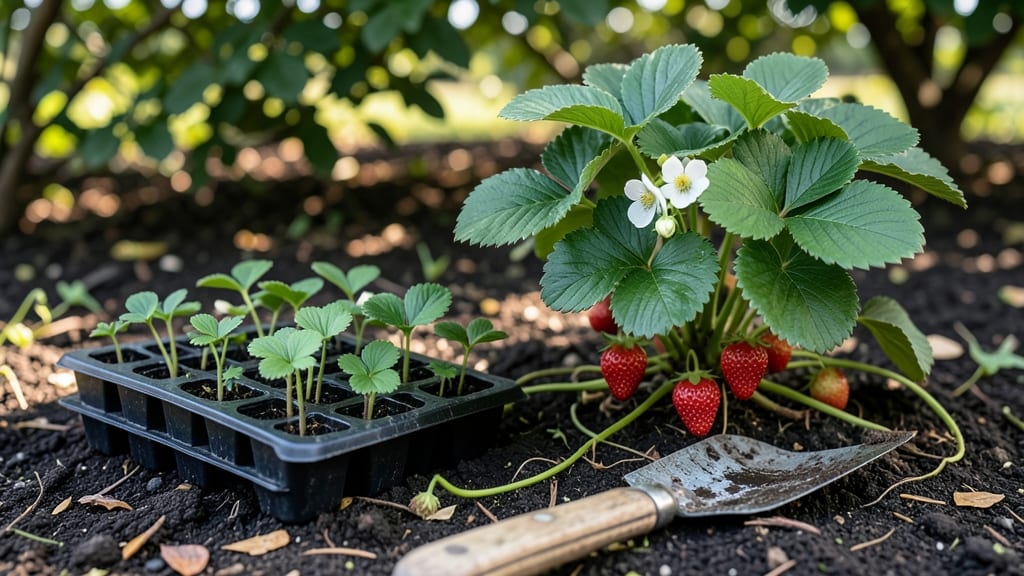
To plant strawberries in WV at the right time means the difference between a bountiful harvest and a sad, underperforming patch.
Strawberries thrive in West Virginia’s diverse climate—but planting them at the wrong time can mean tiny berries, poor yields, or even failed crops. Mastering the perfect planting window ensures juicy, abundant harvests year after year.
In Zone 6a, your best bets are early spring (March–April) or early fall (September–October), when soil temps and frost risks align just right. But timing isn’t one-size-fits-all—microclimates in the Panhandle, Northern, or Mountain regions can shift those windows by weeks.
Below, I’ll break down the exact month-by-month timeline for your area, plus pro tips to protect your plants from WV’s unpredictable springs and late frosts.
West Virginia strawberry planting zones: when to start based on microclimates
West Virginia’s diverse geography—from the Panhandle’s mild winters to the Mountain region’s chilly high elevations—creates unique microclimates for strawberry growers. Planting at the wrong time can stunt growth or invite frost damage, but understanding your zone’s last frost dates and soil temperature trends ensures a bountiful harvest.
Each region has distinct windows for spring vs. fall planting, with adjustments needed for early or late varieties.
For example, the Panhandle’s Zone 7a allows earlier spring planting than Zone 6a in the Northern Mountains, where late frosts linger until mid-April. Soil temperatures below 40°F can delay root establishment, so timing matters.
Below, I’ve broken down the ideal planting windows for WV’s five key regions, including frost dates and variety recommendations to maximize your yield.
| Region | USDA Zone | Last Frost Date | Spring Planting Window | Fall Planting Window | Soil Temp for Planting | Best Varieties |
|---|---|---|---|---|---|---|
| Panhandle | 7a-7b | March 15 | Late February–Early April | September 15–October 15 | 45–50°F | Chandler, Seascape |
| Northern | 6a-6b | April 15 | Mid-April–Early May | September 1–October 10 | 40–45°F | Jewel, Sparkle |
| Central | 6b-7a | April 1 | Late March–Early April | September 10–October 1 | 42–48°F | Albion, Fort Laramie |
| Southern | 7a-7b | March 20 | Late February–March 31 | September 15–October 5 | 45–50°F | Honeoye, Allstar |
| Mountain | 5b-6a | May 1 | Early May–Mid-June | August 15–September 1 | 38–42°F | Ozark Beauty, Surecrop |
If you’re in the Panhandle or Southern regions, you can start bare-root strawberries as early as late February, thanks to milder winters. However, Mountain gardeners should wait until early May to avoid late frosts that can kill tender new growth.
For all regions, fall planting is ideal for everbearing varieties, as cooler weather encourages root development before winter dormancy.
Soil temperature is critical—strawberries won’t thrive if planted in cold, damp soil. Use a soil thermometer to confirm temps are 40°F or above before planting. In Zone 5b-6a (Mountain region), consider row covers or cold frames to extend the growing season and protect plants from unpredictable late frosts.
For June-bearing varieties, like Allstar, plant in early spring for a summer harvest. Everbearing varieties, such as Chandler, produce fruit in both spring and fall, making them versatile for WV’s climate.
Adjust planting dates based on your local microclimate—for example, south-facing slopes warm up faster than north-facing areas.
Pro tip: Mulch heavily after planting to insulate roots from temperature swings and retain moisture. In Zone 6a and colder, apply 3–4 inches of straw mulch to protect plants during winter dieback. This simple step can double your yield by reducing stress on the plants.
Remember, fall-planted strawberries establish roots before winter and bloom earlier in spring. In Zone 7a
Step-by-step strawberry planting timeline for WV gardeners (with critical deadlines)
West Virginia’s variable climate demands precision when planting strawberries. Unlike many crops, strawberries thrive when planted either in early spring or early fall, but timing is critical. Plant too early, and frost can damage tender roots; too late, and your plants won’t establish before summer heat.
My 7-step timeline aligns with WV’s USDA Zone 6a and accounts for microclimate shifts between the Panhandle and Mountain regions.
For bare-root plants, fall planting (September–October) is ideal—roots establish before winter, and plants produce fruit the following year. Container-grown strawberries can also go in late spring (April–May), but avoid planting after mid-April in colder zones, as late frosts are common.
Below, I’ll walk you through each step, including soil prep, spacing, and mulching to protect against WV’s unpredictable spring weather.
Avoid planting strawberries in WV’s shoulder seasons (February or November), as soil temps fluctuate wildly, stunting root growth. June-bearing varieties like ‘Chandler’ need cold stratification, so fall planting is non-negotiable for optimal yields.
If you’re in the Mountain regions, wait until mid-April for spring planting—those areas experience frost 2–3 weeks later than the Panhandle.
Pro tip: Use black plastic mulch in early spring to warm soil faster and extend the growing season. I’ve seen 30% larger yields in my raised beds using this trick! Just remove it before flowering to prevent overheating.
Finally, never skip mulching—WV’s humid summers and freezing winters can stress strawberries. A thick layer of mulch keeps roots consistently moist and insulated, whether it’s 100°F or 15°F outside. 🍓