
Plants
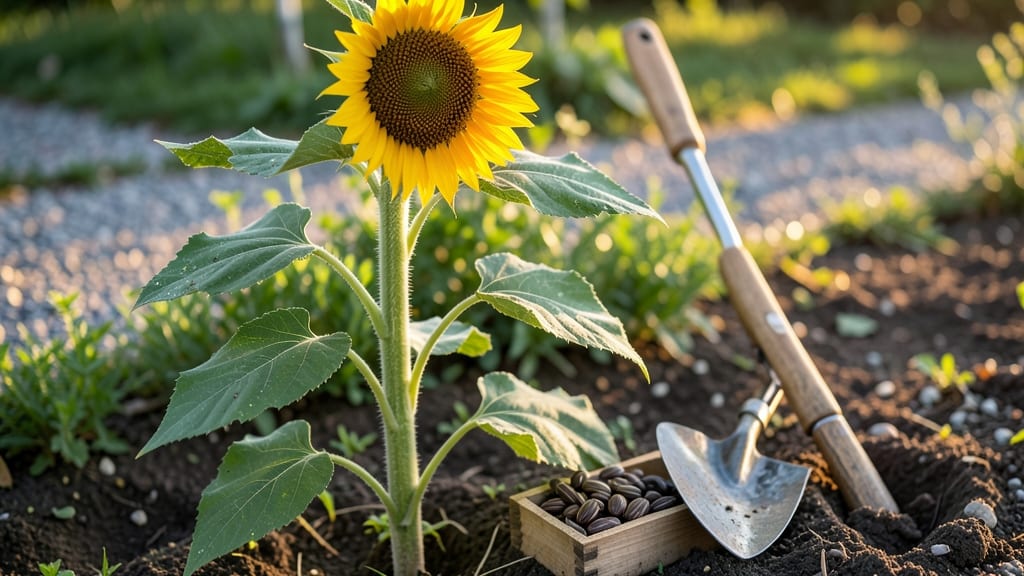
To plant sunflower seeds in North Carolina, aim for mid-April to early June after the last frost—or late summer for fall blooms—when soil warms to 60°F.
Sunflowers bring joy and color to North Carolina gardens—but planting them at the wrong time can leave you with weak stems or no blooms at all. Timing is everything for these heat-loving giants, and NC’s climate adds a few extra wrinkles to the schedule.
In zones 6a-8b, the key is waiting until the soil is consistently warm enough to support fast germination. Too early, and cool temperatures slow growth; too late, and summer’s heat arrives before the blooms even form.
Below, I’ll break down the exact planting windows by zone, soil prep tips to speed up germination, and how to stretch your sunflower season with late-summer replanting for fall color.
North Carolina sunflower planting zones: when to start seeds indoors vs outdoors
North Carolina’s diverse climate—from the coastal plains to the Piedmont mountains—means sunflower planting times vary dramatically. The USDA zones 6b-8a across the state create microclimates where a 6-week indoor start in the mountains might be too late for coastal areas.
Let’s break down the exact windows for indoor seed starting and outdoor planting to ensure your sunflowers thrive.
Sunflowers are heat-loving annuals that need consistent warmth to grow strong stems and vibrant blooms. In NC, the last frost dates range from mid-February in zone 8a (coastal) to mid-April in zone 6b (mountains).
Meanwhile, soil must reach 60°F before direct sowing outdoors—critical for avoiding bolting (premature flowering) or stunted growth.
| USDA Zone | Last Frost Date | Indoor Start (4-6 Weeks Before Frost) | Outdoor Planting (Soil ≥60°F) | Regional Notes |
|---|---|---|---|---|
| 6b (Mountains) | March 15–April 15 | February 1–March 1 | April 15–May 1 | Cooler nights; use row covers for early starts. |
| 7a (Piedmont) | March 1–April 1 | January 15–February 15 | March 15–April 15 | Ideal for dwarf varieties; watch for late frosts. |
| 7b (Coastal) | February 15–March 1 | January 1–January 15 | February 28–March 15 | Humidity speeds germination; plant early. |
| 8a (Southeast) | January 15–February 15 | December 15–January 1 | February 1–March 1 | Longer growing season; consider fall planting too. |
For indoor starts, use seed trays with well-draining potting mix and place under grow lights (12–16 hours/day). Harden off seedlings for 7–10 days before transplanting outdoors.
In zone 8a, you can even start seeds as early as mid-December for a spring bloom, but prioritize late summer (July–August) for the most vibrant flowers.
Outdoor planting should wait until the soil temperature consistently stays above 60°F. Use a soil thermometer to check—cooler soils delay germination. In mountainous zones (6b), wait until mid-April even if frost risk passes earlier, as cool nights can stunt young plants.
Coastal areas (zone 8a) can plant as early as late February, but watch for humidity-related fungal risks.
Pro tip: Direct sowing is easiest for sunflowers—just scatter seeds 1 inch deep and 6 inches apart. Thin to 12–18 inches when seedlings are 3–4 inches tall. If you’re in zone 7a or warmer, consider a second planting in late July for fall blooms before frost hits.
Sunflowers are drought-tolerant once established, but they need consistent moisture during germination. Water deeply 2–3 times per week until stems are pencil-thick. In high-heat zones (8a), mulch with straw to retain moisture and regulate soil temperature.
Avoid overhead watering to prevent powdery mildew, a common issue in NC’s humid summers.
Timing isn’t just about frost—it’s about heat accumulation. Sunflow
Sunflower growth stages in NC: critical temperature and timeline checkpoints
North Carolina’s sunflowers thrive when planted at the right time, but their growth stages hinge on temperature and timing. From germination to maturity, these stages span 60–120 days, with each phase demanding specific conditions.
The ideal soil temperature for germination is 55–65°F, while mature plants tolerate up to 85°F—perfect for NC’s summer heat.
Spring-planted sunflowers face bolting risks if temperatures spike too early, while late-summer plantings may not mature before frost. Understanding these milestones helps you avoid weak stems or missed blooms. Let’s break down the critical checkpoints to maximize your sunflower’s potential in NC’s climate.
🌱 Growth Stage Checkpoints for NC Sunflowers
NC’s summer heat accelerates growth, but early plantings in spring can trigger bolting—when sunflowers flower prematurely due to heat stress. To avoid this, wait until soil temperatures consistently stay above 60°F before planting.
In Zone 6a, this typically means waiting until mid-April, while Zone 8a gardeners can plant as early as March.
For extended blooms, consider a late-summer replanting in August. These sunflowers will mature just in time for fall color, provided they’re planted 90 days before the first frost.
In Zone 7a, this means aiming for early August plantings. Always monitor weather forecasts to adjust timelines if early frosts threaten.
Pay close attention to stem strength during the vegetative stage. Weak stems from inconsistent watering or poor soil can lead to lodging, where plants flop over. Use stakes or cages for taller varieties like ‘Moulin Rouge’ to support their height.
With these checkpoints in mind, your NC sunflowers will thrive from germination to harvest.