
Flowers
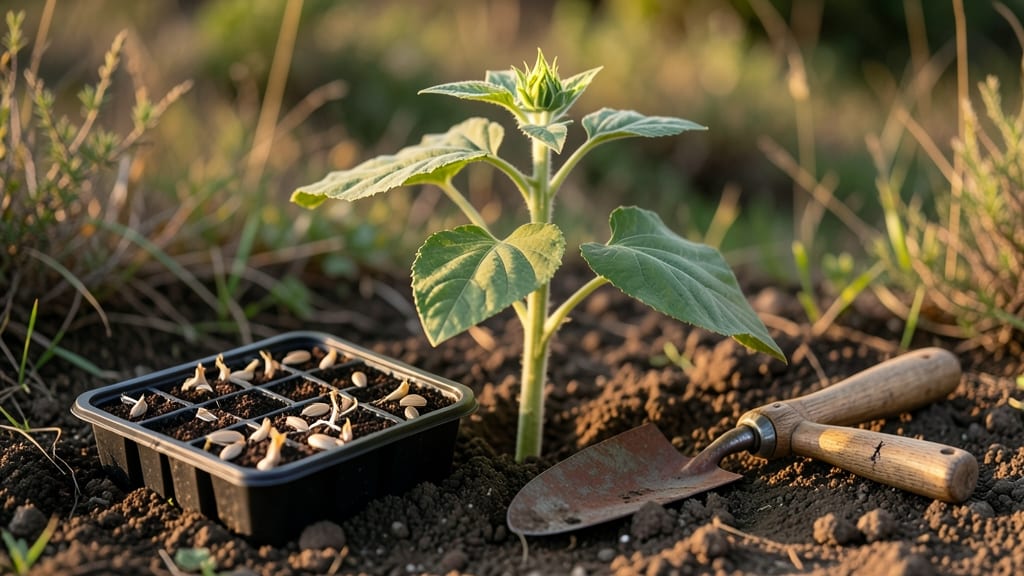
To plant sunflowers for doves in Texas, aim for late winter to early spring or late summer when soil temperatures hit 50°F—this ensures fast growth before dove migration peaks.
Sunflowers aren’t just stunning garden additions—they’re a dove magnet, providing essential seeds that attract these gentle birds to your Texas landscape. But timing is everything: plant too early, and frost may strike; too late, and your doves will starve before the seeds mature.
Texas’ 8a-10b zones give you two prime windows: February–April for spring blooms or August–September for fall feeders. The key is matching seed maturity with dove arrival—most varieties need 60 days to produce food, so late August plantings align perfectly with their migration.
Below, I’ll break down the exact months by region, fast-growing varieties that doves love, and pro tips to guarantee your sunflowers 🌻 feed flocks before frost hits—no guesswork, just fast, reliable results.
Optimal Texas sunflower planting months for doves by region
Texas’ vast climate zones create three distinct planting windows for sunflowers that align with dove migration patterns. In North Texas (USDA zones 8a-8b), where last frosts linger until mid-February, your best bet is to start seeds indoors by late January and transplant after April 15.
This ensures seeds mature before doves arrive in late spring—typically May through July.
For Central Texas (zones 8b-9a), like Austin and San Antonio, you’ve got two prime windows: late February to March for spring blooms, or August to early September for fall feeding.
The latter syncs perfectly with fall dove migrations (September-October), giving birds a fresh seed source when natural food dwindles.
In South Texas (zones 9a-10b), where winters are mild, you can plant year-round with minimal frost risk. Focus on September-October sowings—this aligns with peak dove activity and avoids summer’s brutal heat. Even November plantings often yield seeds before first frosts in December.
Soil temperature is your secret weapon: sunflower seeds need 50°F+ soil to germinate. In North Texas, wait until mid-April; Central Texas hits this mark by early March; South Texas? Year-round planting works if you irrigate.
Here’s the region-by-region breakdown of when to plant for maximum dove appeal, accounting for frost dates, seed maturity, and bird behavior:
Pro tip: Fall plantings in Central and South Texas often yield better dove results because they avoid summer’s heat stress and align with peak migration. In North Texas, spring plantings are safer—fall seeds may not mature before first frosts in December.
For fastest dove attraction, prioritize dwarf varieties (3–5 ft tall) like ‘Teddy Bear’ or ‘Moulin Rouge’. These mature in 50–60 days, giving doves early access to seeds. In South Texas, you can even double-crop: plant once in February and again in September for continuous feeding.
Watch for soil moisture during germination—dry spells in April or August can delay sprouting. If your area faces extended drought, use mulch to retain moisture and speed up growth by 10–15 days.
This is especially critical in West Texas (zones 7b-8a), where water scarcity can stall seed production.
Timing your plantings to dove arrival isn’t just about seeds—it’s about habitat reliability. Doves favor consistent food sources, so aim to have at least 3–5 sunflowers in bloom during peak migration months. In Central Texas, this means June for spring doves and October for fall flocks.
🌻
Fast-growing sunflower varieties that doves love (and when to sow them)
If you’re growing sunflowers specifically to attract doves, timing and variety matter more than you might think. Doves prefer smaller, fast-maturing varieties that produce abundant seeds before Texas’ first frost. The right choice ensures your feathered friends have a reliable food source while minimizing your wait time.
For spring plantings, aim for varieties that mature in 60-70 days, while fall plantings should focus on cold-hardy types that tolerate 50°F nights.
Texas’ two growing seasons—spring (March-May) and fall (August-September)—demand different strategies. Spring plantings must avoid frost, while fall varieties need to mature before winter sets in. I’ve ranked the top 5 dove-friendly sunflowers based on speed, drought tolerance, and bird appeal, with Texas-specific planting deadlines to ensure success.
For spring plantings in Texas, sow seeds after your last frost date (typically mid-March in North Texas to early February in South Texas). Sunspot and Teddy Bear are my top picks—they mature quickly and produce seeds doves adore.
Plant them 1 inch deep, spacing seeds 12 inches apart, and watch for sprouts in 7-10 days.
Fall plantings are trickier but rewarding. Aim to sow Autumn Beauty or Sunspot by late August in North Texas or early September in South Texas. These varieties tolerate cooler temps and still produce seeds before frost. Mulch heavily to protect roots from 50°F nights, which can stunt growth.
Pro tip: Stagger plantings every 2 weeks in spring or fall to ensure a continuous seed supply for doves. Combine this with shallow watering (1-2 gallons per plant weekly) to encourage strong stalks and abundant seed heads.
With the right variety and timing, your Texas garden will become a dove dining hotspot in no time! 🌻