
Flowers
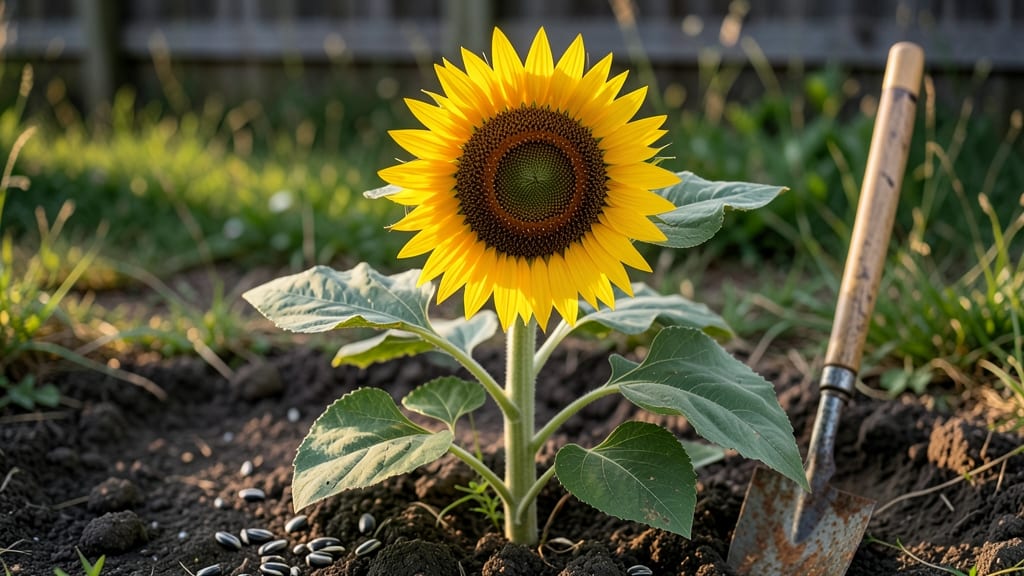
Planting sunflowers in Idaho after the last frost — ideally between mid-May and early July — is the key to watching those towering 🌻 stalks reach their full potential.
But here’s the catch: Idaho’s microclimates range from Boise’s warm valleys to the Panhandle’s cooler highlands, and planting too early or too late can mean the difference between a 12-foot giant and a sad, stunted shrub.
Whether you’re in USDA Zone 4 or Zone 7, the right timing depends on your local frost dates, soil temperature, and even elevation. Below, I’ll break down the exact deadlines for your region and share pro tips to extend your growing season.
You’ll learn how to choose the best sunflower varieties for your climate, when to fertilize for maximum bloom power, and how to protect seedlings from late frosts — all without overcomplicating things.
Idaho’s sunflower planting zones: frost dates by region
Idaho’s diverse geography means sunflower planting deadlines vary dramatically—from the short growing seasons of the Panhandle to the extended summers of the Southwest. Understanding your USDA zone and local frost patterns is key to avoiding late frosts that can stunt your towering Helianthus annuus.
Let’s break down the exact last-frost averages for Idaho’s three main regions, so you can time your sunflower seeds perfectly for maximum height and bloom.
Elevation plays a huge role in Idaho’s planting windows. For every 1,000 feet gained, temperatures drop about 3.5°F, delaying the last frost by 3-5 days.
Mountain gardeners in Zone 4 (like Sandpoint) face a mid-May deadline, while lowland areas in Zone 7 (like Twin Falls) can plant until early June. This means your Boise garden (Zone 6) might have a 2-week window to plant after your neighbor in Coeur d’Alene (Zone 5)!
Here’s the critical data you need: average last frost dates by region, city-specific deadlines, and how elevation shifts your planting window.
Use this to calculate your safe planting window—typically 2-4 weeks after the last frost—so your sunflowers have 90+ days to mature before the first frost hits in October.
For Boise gardeners in Zone 6, aim to plant sunflower seeds between May 15–June 1 for a 90-day growing season before the first frost on October 15.
If you’re in Coeur d’Alene (Zone 5), stick to May 10–25 and opt for early-maturing varieties like ‘Teddy Bear’ (50 days) to avoid frost damage. Meanwhile, Twin Falls (Zone 7) can push planting until June 1 and even try late-season giants like ‘Russian Giant’ (120 days).
Elevation throws a wrench into these timelines. If you’re gardening in Ketchum or McCall (elevation 5,000+ feet), your last frost could be 2 weeks later than Boise. Use a frost calendar or local Cooperative Extension Service data to fine-tune your window. Pro tip: Plant dwarf varieties
Best sunflower varieties for Idaho’s short vs. long seasons
Idaho’s growing seasons vary dramatically—from the short 100-day seasons in the Panhandle region to the long 140-day seasons in southwest Idaho. Choosing the right sunflower variety ensures your plants mature before the first frost.
For northern Idaho, prioritize early-maturing dwarf varieties like 'Teddy Bear', while southern gardeners can grow tall, heat-tolerant giants like 'Russian Giant'. Container gardeners in cities like Boise will love compact varieties like 'Moulin Rouge', which thrive in pots.
Your microclimate zone dictates your best bet: USDA Zone 4 gardeners (e.g., Coeur d’Alene) should stick to 50-60 day varieties, while Zone 7 growers (e.g., Twin Falls) can experiment with 100-120 day varieties.
Oilseed sunflowers like 'NuSun' are ideal for short seasons because they mature faster and produce edible seeds, while decorative varieties like 'Autumn Beauty' offer vibrant blooms but need more time to reach full size.
When to Plant Sunflowers in Idaho
- ✅ Early planting (after last frost) ensures longer blooming
- ✅ Short-season varieties mature before first frost in northern Idaho
- ✅ Dwarf varieties work for containers and small spaces
- ❌ Late planting risks stunted growth before frost
- ❌ Tall varieties may need staking in windy areas
- ❌ Oilseed types require longer drying for seed harvest
- North Idaho (Zone 4-5): Plant May 15-June 1 for 50-60 day varieties
- Central Idaho (Zone 6): Plant May 1-May 30 for 70-90 day varieties
- Southwest Idaho (Zone 7): Plant April 15-June 15 for 90-120 day varieties
For northern Idaho’s short seasons, 'Early Bird' and 'Sunspot' are top picks—they mature in just 50-55 days and reach 3-5 feet tall, perfect for cut flowers or bird feeders. These varieties also tolerate cooler temperatures better than their southern counterparts.
In contrast, southern Idaho’s longer growing season allows for giant sunflowers like 'Mammoth', which can tower over 12 feet tall but need 100+ days to mature.
If you’re growing sunflowers in containers, opt for dwarf varieties like 'Pocket Sun' or 'Little Becka', which stay under 2 feet tall and thrive in 5-gallon pots.
These are ideal for balconies, patios, or small yards in urban areas like Boise. Just ensure your container has drainage holes and use well-draining potting mix to prevent root rot.
For oilseed production, 'NuSun' is a fantastic choice—it matures in 80-90 days and produces high-yield seeds perfect for bird feed or cooking. This variety is also drought-tolerant, making it ideal for Idaho’s dry summers.
If you’re after stunning blooms for cutting gardens, 'Autumn Beauty' offers multi-colored petals and matures in 90-100 days, giving you plenty of time to enjoy its vibrant display before frost.
Pro tip: Always check the seed packet for days to maturity and subtract your average first frost date to ensure your sunflowers finish their life cycle.
For example, if your frost date is October 1 and your variety takes 90 days to mature, plant by July 2 to avoid winter damage. Happy planting! 🌻