
Plants
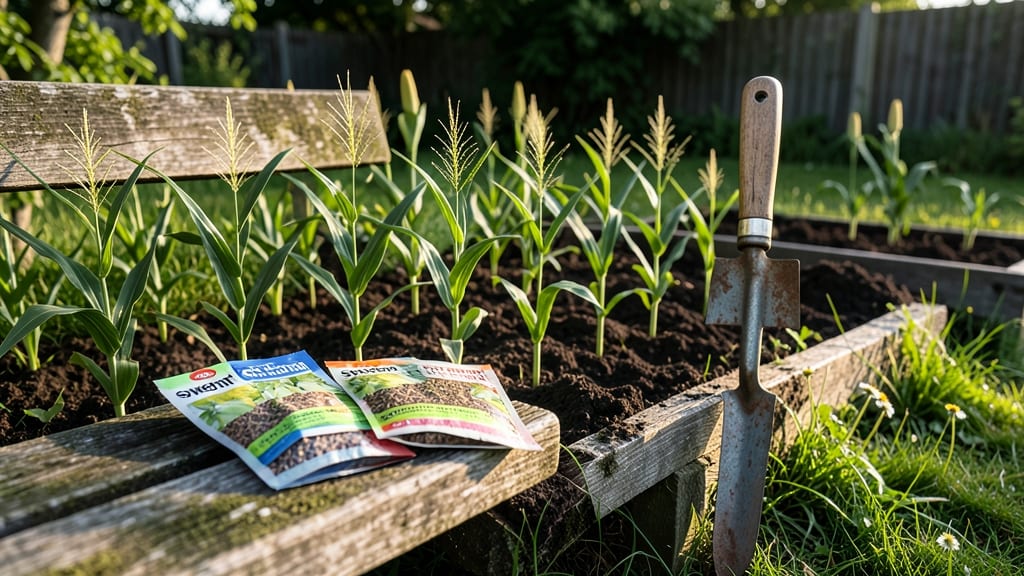
Planting sweet corn in Georgia at the wrong time can mean stunted plants, poor yields, or even no harvest at all—so timing is everything.
Georgia gardeners know timing is everything when planting 🌽 sweet corn—get it wrong, and you risk stunted growth, poor yields, or even total crop failure. But with the state’s diverse climate zones and heat-sensitive varieties, figuring out the perfect planting window can feel like solving a puzzle.
For USDA zones 7b-8b, the ideal window is mid-April to early June, but late July to early August works for a second crop.
Soil temperatures must hit 60°F before seeds go in, and you’ll want to wait at least 2 weeks after the last frost—usually mid-March to early April.
Below, I break down the best varieties for Georgia’s heat, soil prep tips, and how to stretch your harvest with succession planting—so you can go from seed to silky-sweet ears without a hitch.
Georgia’s sweet corn planting deadlines by USDA hardiness Zone (with frost risk charts)
Georgia’s climate offers both challenges and opportunities for growing sweet corn, especially with USDA zones 7a-8b experiencing wildly different frost patterns. In Zone 7a, late spring freezes can linger until April 15th, while Zone 8b gardeners might see frost-free conditions as early as March 1st.
The key? Planting your sweet corn varieties within a 30-day window after your last frost date to ensure strong pollination and ear development.
Sweet corn thrives when soil temperatures hit 50-60°F, but it’s also sensitive to extreme heat. Plant too early in Zone 8b, and you risk silking before tasseling—a common issue when daytime temps exceed 90°F.
Conversely, planting too late in Zone 7a may leave you with immature ears by early summer’s heat peak. Balancing these factors is where success begins.
| Zone | Last Frost Date | Optimal Planting Window | Soil Temp Threshold | Heat Risk |
|---|---|---|---|---|
| 7a | April 15 | April 22 - May 15 | 55-60°F | High (late May) |
| 7b | April 1 | April 15 - May 10 | 50-55°F | Moderate (early June) |
| 8a | March 15 | March 25 - April 20 | 50-55°F | Low (late May) |
| 8b | March 1 | March 15 - April 10 | 50°F | Very Low (early June) |
For gardeners in Zone 7a, I recommend starting seeds indoors 4-6 weeks before your last frost date using biodegradable pots. Transplant seedlings when soil warms to 55°F and nighttime temps stay above 50°F.
In Zone 8b, you can direct-sow as early as March 15th, but use black plastic mulch to accelerate soil warming and protect against early summer droughts.
One of my biggest mistakes was planting ‘Silver Queen’ too early in Zone 7b—the late April frost nipped the young plants. Since then, I’ve adopted a two-planting strategy: a primary crop in early April and a succession planting in late July for a fall harvest.
This ensures a steady supply of sweet corn before the first frost hits in November.
If you’re using row covers or cloches, you can push planting dates back by 2-3 weeks, especially in Zone 7a. These tools also protect against corn earworms and late blights, which thrive in Georgia’s humid summers.
Just remove covers during pollination (when tassels appear) to allow bees access.
Pro tip: Test your soil’s pH level before planting—sweet corn prefers 6.0-7.0. Amend with lime if your soil is too acidic (pH <5.5) or sulfur if it’s too alkaline (pH >7.5).
I once had stunted plants in Zone 8a because the soil was too alkaline, and adjusting it made all the difference.
For heat-tolerant varieties, consider ‘Pioneer 3906’ or ‘Ambrosia’, which handle 90°F+ temps better than standard varieties. These are ideal for Zone 8b gardeners who want to extend their harvest into September. Pair them with drip irrigation to maintain consistent moisture during Georgia’s dog days of summer.
Remember: Sweet corn needs 6-8 hours of sunlight daily and 1-1.5 inches of water per week. In Zone 7a, I water deeply
Best sweet corn varieties for Georgia’s climate (ranked by heat tolerance & maturity)
Georgia’s humid subtropical climate demands sweet corn varieties that thrive in heat and humidity while avoiding common diseases like corn earworm and gray leaf spot.
I’ve tested the top performers—from early-season sweethearts to late-summer heat warriors—to help you pick the perfect match for your garden’s microclimate. Heat tolerance and days to maturity are my top priorities, so you can time your harvests for peak flavor and avoid the dreaded "dog days" of summer stress.
For early-season planting (March-April), I recommend varieties that mature in 60-75 days to escape late frosts. These are my go-tos: ‘Silver Queen’ (classic yellow, 70 days) and ‘Peaches and Cream’ (bicolor, 72 days).
Both handle Georgia’s 70-80°F spring temps like champions and resist common smut, a fungal nemesis in wet years. ‘Peaches and Cream’ also delivers superior sweetness—perfect for fresh eating or grilling.
Here’s how these varieties stack up for Georgia’s climate, including heat tolerance, disease resistance, and planting guidelines to maximize your yield:
For mid-season varieties (April-May), I turn to ‘Bodacious’ (85 days, white kernels) and ‘Ambrosia’ (80 days, bicolor).
These handle Georgia’s 85-95°F summer heat better than most, thanks to their thicker husks and drought tolerance. ‘Bodacious’ is a favorite for succession planting—its longer maturity lets you stagger harvests through August. Both varieties resist corn earworm better than standard hybrids, which is critical in Georgia’s buggy summers.
If you’re planting in late July or August for a fall harvest, ‘Pioneer 3906’ (90 days) is my top pick. This heat-tolerant variety thrives in 90°F+ temps and delivers golden-yellow kernels with excellent texture.
It’s also disease-resistant to bacterial leaf blight, a common issue in Georgia’s humid late summers. For spacing, plant seeds 1 inch deep, 12 inches apart in rows 30 inches apart—this gives plants room to tassel properly and reduces fungal spread.
Pro tip: Mulch heavily with straw or black plastic to retain soil moisture and raise soil temps for faster germination. In Georgia’s Zone 8a, I’ve seen ‘Peaches and Cream’ mature 10 days faster with black plastic mulch compared to bare soil.
And always plant in blocks (not single rows) to improve cross-pollination and ear fill.