
Plants
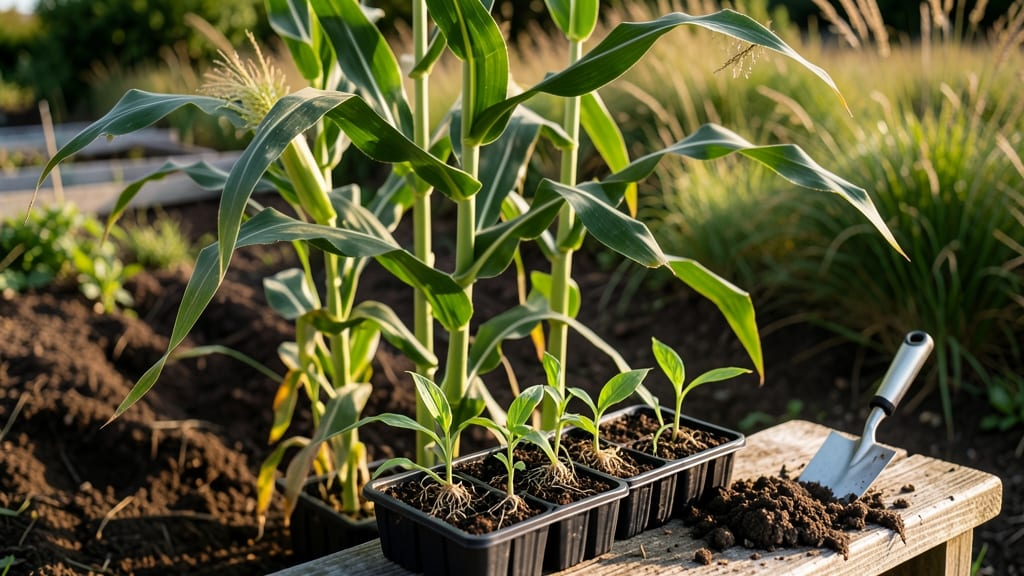
Plant sweet corn in Virginia when soil temperatures hit 60°F and at least 2 weeks after the last frost—typically mid-April to mid-June for most regions.
Sweet corn thrives in Virginia’s warm climate—but planting too early or late can mean the difference between a bumper crop and a sad, wilted disappointment. Timing isn’t just about avoiding frost; it’s about matching your variety to Virginia’s distinct growing zones and microclimates.
In Zone 6a-7b, where most of Virginia falls, early varieties like ‘Silver Queen’ can go in as soon as the soil warms, while late-season picks like ‘Peaches and Cream’ need a longer growing window. Miss the mark, and you risk stunted ears or silks drying out before pollination.
Below, I’ll break down the best planting windows by zone, the ideal soil temps for germination, and how to stretch your harvest with succession planting—so you’re picking ears from July through September.
Virginia’s sweet corn planting deadlines by hardiness Zone (5a-7b)
Virginia’s diverse climate—from the cool mountains of Zone 5a to the humid Tidewater’s Zone 7b—means your sweet corn planting timeline must adapt. The key? Soil temperature and frost dates vary dramatically across the state, so I’ll break down the perfect windows for each zone.
Plant too early, and frost will kill your seedlings; too late, and you’ll miss the harvest window before fall’s chill sets in.
For all zones, aim to plant when soil temperatures hit 60°F (15°C) at least 2 inches deep. Use a soil thermometer to check—cold soil delays germination.
In Virginia, this typically aligns with 2–4 weeks after the last frost date, but mountain regions (Zone 5a) need extra patience, while coastal areas (Zone 7b) can start earlier. Let’s dive into the specifics for each zone.
⚠️ Critical Note: Sweet corn is wind-pollinated, so plant at least 4 rows of the same variety (or different varieties that pollinate each other) for successful fertilization. Isolation distances matter too—keep varieties 200+ feet apart if growing multiple types.
In Zone 5a (mountains), where frost lingers until mid-May, focus on early-maturing varieties like ‘Silver Queen’ (65 days) or ‘Early Sunglow’ (70 days). Plant your first batch in late May and consider a succession planting 2 weeks later for a staggered harvest.
The shorter growing season means you’ll need to prioritize speed over size—aim for 60–75 day varieties to avoid frost.
For Zones 6a–6b (Piedmont/Central VA), you’ve got flexibility. Start with mid-season varieties like ‘Peaches and Cream’ (80 days) in mid-April, then follow up with late-season varieties like ‘Ambrosia’ (90 days) in early June.
This two-pronged approach ensures corn on the cob from June through September. Just watch for heat stress in July—mulch heavily to keep roots cool.
In Zones 7a–7b (Southwest/Tidewater), the real magic happens. With longer frost-free seasons, you can plant three successive batches: early April, mid-May, and late June. Opt for heat-tolerant varieties like ‘Bodacious’ (95 days) or ‘Peaches and Cream’ for Zone 7b’s humid summers.
The goal? Extend harvests into October by choosing late-maturing types and using row covers to delay frost.
Pro tip: Use a planting calendar to track your zone’s historical frost dates (check the Virginia State Climate Office for local data). If you’re in a microclimate—like a low-lying area or near water—adjust your timeline by 1–2 weeks. For example, Nor
Best sweet corn varieties for Virginia’s climate and when to plant them
Choosing the right sweet corn variety for Virginia’s climate is key to a successful harvest. The Old Dominion State spans USDA Zones 5a to 7b, meaning your planting dates should align with your specific zone.
Early varieties excel in Zone 5a’s cooler mountains, while heat-tolerant types thrive in Zone 7b’s humid Tidewater region.
For Zone 5a gardeners, cold-hardy varieties like ‘Early Sunglow’ (70 days) can tolerate cooler soils and should be planted 2-3 weeks after last frost, typically around mid-April to early May.
Meanwhile, Zone 7b growers can extend harvests with late-season varieties like ‘Silver Queen’ (85 days) planted as late as mid-June.
Succession planting is your secret weapon for continuous harvests. In Zone 6a-7a, plant early, mid, and late varieties in 2-week intervals from April through June. This ensures fresh ears from July through September without gaps.
| Variety | Days to Maturity | Best Planting Window | Zone Fit | Key Feature |
|---|---|---|---|---|
| Early Sunglow | 70 days | Mid-April to early May | 5a-6a | Cold-tolerant, early harvest |
| Peaches and Cream | 72 days | Late April to mid-May | 6a-7a | Sweet, disease-resistant |
| Silver Queen | 85 days | Mid-May to early June | 6b-7b | Heat-tolerant, late harvest |
| Ambrosia | 75 days | Late April to mid-May | 5b-7a | Super-sweet, great for succession |
| Bodacious | 80 days | Mid-May to early June | 6a-7b | Disease-resistant, high yield |
For Zone 5a gardeners, focus on early-maturing varieties like ‘Early Sunglow’ or ‘Ambrosia’, which can handle cooler soils and shorter growing seasons. Plant these 2-3 weeks after your last frost date (typically mid-April) to avoid late spring frosts that can damage tender seedlings.
In Zone 7b, where summers are long and humid, prioritize heat-tolerant varieties like ‘Silver Queen’ or ‘Bodacious’. These thrive when planted mid-May to early June, ensuring they mature before fall’s first frost (usually mid-October).
For a second crop, try ‘Peaches and Cream’ in late June—it’s sweet and adapts well to late-season heat.
Pro tip: Test soil temperature before planting—corn needs 60°F+ soil to germinate. Use a soil thermometer or wait until mid-May in most zones to guarantee warm enough conditions. Pair your corn with beans or radishes to improve soil nitrogen and deter pests naturally.