
Plants
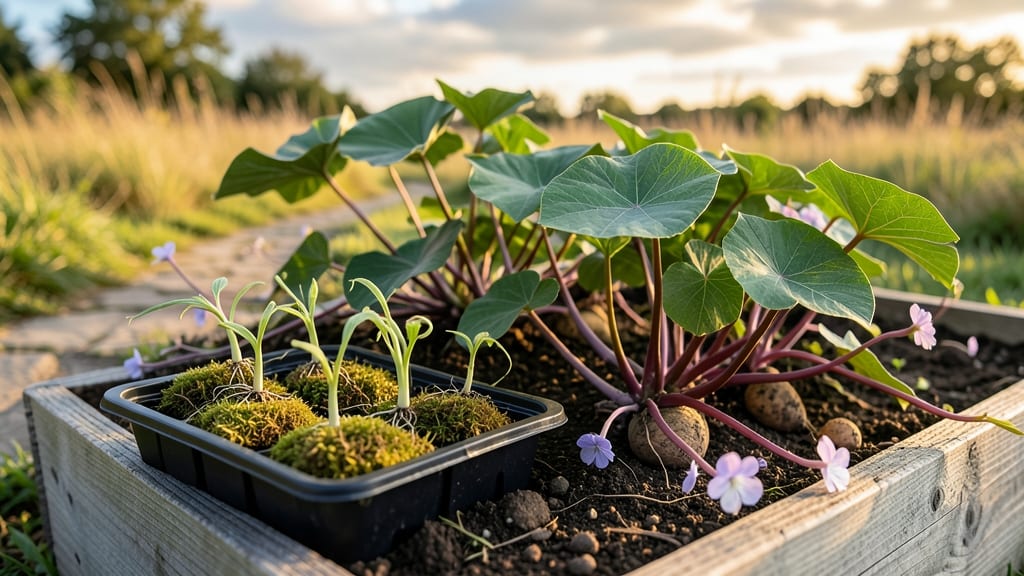
Plant sweet potatoes in East Texas after your last frost—typically between mid-April and early June—when soil temperatures hit a steady 65°F 🍠.
East Texas gardeners know timing is everything—plant too early, and you risk frost damage; too late, and the brutal summer heat can scorch your crop before harvest. The 90-day growing season here demands precision, or you’ll end up with small, underdeveloped tubers instead of a bounty.
Unlike northern regions, East Texas’ USDA Zone 8a gives you a longer window than most, but heat and humidity also play tricks. Slips (young plants) thrive here, but they need warm soil and consistent moisture to bulk up before the vines start yellowing in fall.
Below, I break down the exact heat-zone timeline, soil prep secrets, and how to stretch your harvest into November—so you can avoid the common mistakes that leave gardeners with half the yield they expected.
East Texas heat-Zone planting timeline for sweet potatoes
Sweet potatoes thrive in East Texas' long growing season, but timing is critical to avoid early frost or summer heat stress. Unlike many vegetables, sweet potatoes need warm soil (at least 65°F) and consistent heat to develop those signature tubers.
In USDA Zones 7b-9a, your planting window shifts slightly depending on your exact location and microclimate.
Most East Texas gardeners plant sweet potatoes between mid-April and early June, but this varies by frost-free date and soil warmth. The key is to start planting after your last frost date (typically March 15 in most areas) but before summer's brutal heat peaks.
Let's break down the best planting windows for your specific East Texas zone.
For most East Texas gardeners in Zone 8a (the most common), the ideal planting window is from mid-April to mid-May. This gives your sweet potatoes 120-150 days of warm weather to mature before first frost arrives around November 15.
Planting too early risks frost damage to young plants, while planting too late may result in smaller tubers before winter sets in.
If you're in Zone 9a (like Houston or Beaumont), you can push your planting window earlier—as early as late March. These areas enjoy longer frost-free seasons (up to 270 days), allowing you to experiment with fall plantings for a late harvest.
However, be cautious—extreme summer heat (above 95°F) can stress sweet potatoes, so avoid planting in June or July.
In Zone 7b areas (like rural northeast Texas), plant no earlier than late April to avoid late frosts. These regions have shorter growing seasons (around 220 frost-free days), so focus on early-maturing varieties like 'Beauregard' or 'Georgia Jet', which can produce harvests in 90-100 days.
Sweet potatoes are typically grown from slips (young plants) rather than seeds, which gives you more control over your planting timeline. Purchase slips from a reputable nursery (like Johnny's Selected Seeds or local Texas growers) and plant them 12-18 inches apart in well-draining soil.
The first 4-6 weeks after planting are critical—this is when your slips establish roots and begin tuber formation.
One common mistake in East Texas is waiting until June or July to plant sweet potatoes, thinking the heat will help. While sweet potatoes do love heat, they also need consistent moisture and moderate temperatures (ideal range: 75-85°F).
Planting in peak summer can lead to blossom-end rot or poor tuber development due to water stress and intense sunlight.
To maximize your harvest, aim to plant sweet potatoes 6-8 weeks before your average last frost date. This gives them enough time to mature before winter while avoiding the brutal summer heat.
For example, if your last frost is November 15, plant by late September for a fall harvest. Use black plastic mulch to warm the soil faster and extend your planting window by a few weeks.
Remember, sweet potatoes are heat-loving plants, but they also need time to develop
5 Critical factors that determine your sweet potato planting success
Timing is just the beginning—your East Texas sweet potato harvest hinges on five critical factors that often get overlooked. While planting in April-June gives you the best window, your soil, sunlight, and pest control strategies can make or break your yield.
Let’s break down what truly matters beyond just the calendar.
First, soil pH is non-negotiable. Sweet potatoes thrive in slightly acidic to neutral soil (pH 5.8-6.5). East Texas’ clay-heavy soils often skew alkaline, so test your soil before planting. Amend with sulfur or peat moss to adjust pH—this simple step can double your tuber size by improving nutrient uptake.
Next, drainage is your secret weapon against rot. These tubers hate soggy conditions, and East Texas’ summer downpours can turn your garden into a swamp. Plant on mounds or raised beds with sandy loam mixed in.
A quick soil test for permeability (water should drain within 2 hours) will save you from wasted slips.
- 🔹 Soil pH 5.8-6.5 – Test and amend clay soils with sulfur or peat moss
- 🔹 6-8 hours full sun – South-facing beds maximize East Texas sunlight
- 🔹 Well-draining mounds – Prevents rot in heavy Texas clay
- 🔹 Sweet potato weevil traps – Use pheromone traps to catch adults early
- 🔹 Consistent moisture – 1-2 inches per week, never soggy
Don’t underestimate sunlight exposure—East Texas gets intense summer heat, but sweet potatoes need 6-8 hours of direct sun daily. Plant in south-facing beds to capture morning light, which helps vines establish before afternoon heat peaks.
If your garden is shaded, consider container growing with reflective surfaces (like white walls) to boost light exposure.
East Texas’ humidity and pests are the silent harvest killers. The sweet potato weevil is your top enemy—its larvae burrow into tubers, turning them to mush. Start with certified disease-free slips and set up pheromone traps in May.
Rotate crops annually to break weevil life cycles, and mulch heavily with straw to deter adult beetles from laying eggs.
Finally, consistent moisture is your growth multiplier. Sweet potatoes need 1-2 inches of water weekly, but never let them sit in wet soil. Use drip irrigation to keep leaves dry (preventing fungal diseases like black rot) and water early morning to reduce evaporation.
In East Texas’ heat, mulch with straw or leaves to retain moisture and regulate soil temperature.
Master these five factors, and you’ll transform your East Texas garden from hit-or-miss harvests to consistent, high-yield sweet potato bounty. Start with soil prep, then watch your slips turn into golden, plump tubers by October—no guesswork, just results. 🍠