
Plants
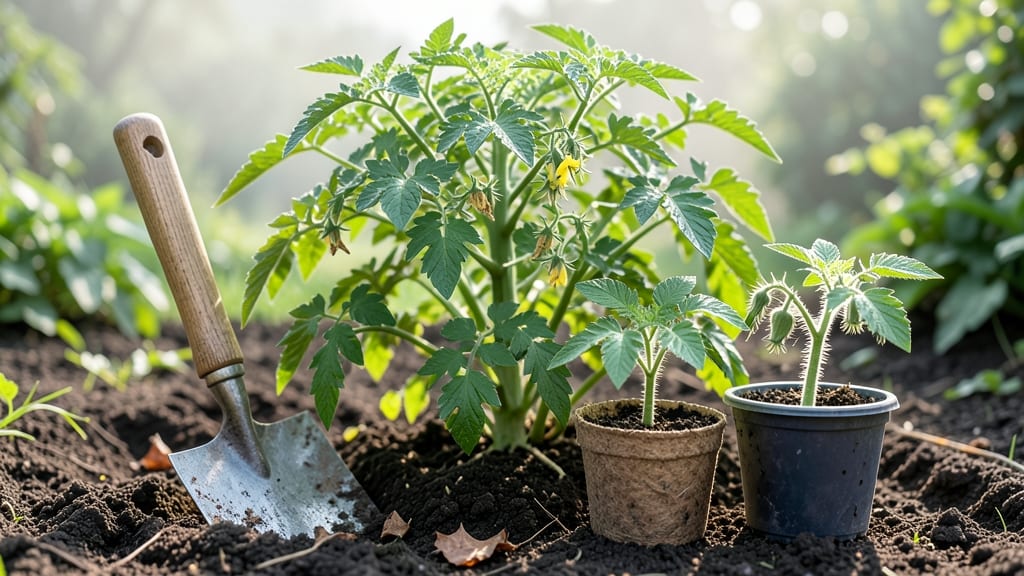
Planting tomato seeds in North Carolina means timing them perfectly between mid-March and early April for indoor starts — a window that keeps frost from wiping out your 🍅 dreams before they even begin.
Here’s the catch: your neighbor’s schedule might not match yours. In the Piedmont, Zone 7b gardeners can push starts earlier, while coastal Zone 8a growers risk heat stress if they wait too long. One week off can mean the difference between a bountiful harvest and a sad, leggy seedling.
This guide breaks down the exact weeks to start seeds indoors, when to transplant outdoors, and how to adjust for heirloom vs. hybrid varieties. We’ll also cover how to spot the signs of planting too early or too late — because even in NC, timing is everything.
Ready to avoid the common mistakes? You’ll learn how to calculate your microclimate’s last frost date, the ideal soil temperature for seeds, and when to harden off seedlings before they face the real world. Let’s get those tomatoes growing right.
NC planting deadlines by microclimate Zone: exact weeks for seed starting & transplanting
North Carolina’s diverse microclimates mean your tomato planting timeline could vary by 4-6 weeks depending on whether you're in the Coastal Plain, Piedmont, or Mountains.
The last frost date shifts from early March in Zone 8a (Coastal) to mid-April in Zone 7b (Mountains), creating critical windows for seed starting and transplanting.
For Zone 7b gardeners (Western NC), start tomato seeds indoors between February 15-28 to ensure transplants are ready by your April 15 last frost date. In Zone 8a (Eastern NC), you’ve got flexibility—begin seeds March 1-15 for outdoor planting after March 1 last frost.
These differences directly impact your harvest timing, with Coastal varieties ripening 3-4 weeks earlier than Mountain-grown tomatoes.
🌱
Your local NC State Extension office provides county-specific frost data, but these general guidelines work for most gardeners. For example, Asheville gardeners (Zone 7b) should have their transplants ready by April 22, while Wilmington growers (Zone 8a) can plant outdoors as early as March 15.
This 6-week difference affects everything from seed selection to succession planting strategies.
For heirloom varieties with longer maturity dates (like Brandywine or Cherokee Purple), prioritize earlier seed starts in Zone 7b to ensure they mature before first frost.
In contrast, early-maturing hybrids (such as Early Girl or Celebrity) give Coastal gardeners more flexibility for late transplants even after the ideal window.
🌿
Soil temperature plays an equally critical role. Tomatoes won’t germinate well in soils below 60°F, so use a soil thermometer to confirm readiness. In Zone 7b, wait until April 22 for transplanting—earlier plantings risk cold soil stress.
Meanwhile, Coastal gardeners can often transplant by March 15 when daytime highs consistently reach the 70s°F range.
Pro tip: Use row covers to extend your transplant window by 2-3 weeks in cooler zones. This lets Zone 7b gardeners plant as late as May 1 while still achieving harvests before frost. Just remove covers once flowers appear to prevent heat stress.
🌡️
Remember that microclimate variations exist even within zones. A southern-facing slope in the Mountains may warm up 1-2 weeks earlier than a northern valley, while urban heat islands in Raleigh can push last frost dates back by 10 days.
Always scout your specific location by monitoring neighboring gardens or using local weather stations for real-time data.
For successive planting, schedule your second round of transplants 2-3 weeks after the first. This ensures a continuous harvest through September in most zones.
Just adjust timing based on your variety’s days to maturity—a 60-day tomato planted in early May will ripen by July 10, while an 80-day variety needs that May 1 transplant to avoid frost.
How to adjust planting timing for early vs late varieties in North Carolina’s climate
North Carolina’s diverse growing zones (7b-8a) mean your tomato varieties need tailored timing. Early varieties like 'Early Girl' thrive with indoor starts 8-10 weeks before last frost, while late varieties like 'Brandywine' can handle direct sowing after soil warms to 60°F. The key?
Matching your tomato type to your microclimate—cooler mountain zones need earlier starts, while coastal areas can push later.
Hybrid tomatoes often mature faster (60-70 days), giving you flexibility for late starts or succession planting. Heirlooms, however, typically need 80+ days, so indoor seed starting is critical.
For example, in Zone 7b, begin hybrid seeds indoors by March 1, while heirlooms should start by February 15 to avoid delays. In Zone 8a, you’ve got a little more wiggle room—hybrids can start indoors by March 15.
For cooler mountain zones, extend your season with row covers or cold frames. These can push your last harvest date by 3-4 weeks by trapping heat and protecting against light frosts.
In Zone 7b, I’ve used row covers on heirloom tomatoes to harvest into early November—just remove them during the day to prevent overheating. For greenhouse growing, start seeds indoors by January 15 in Zone 7b to enjoy tomatoes year-round.
Direct-sowing outdoors works best for fast-maturing hybrids in warmer Zone 8a areas. Plant seeds after May 1 when soil temperatures consistently stay above 60°F. Use black plastic mulch to warm soil faster and suppress weeds.
For heirlooms, I recommend transplanting seedlings instead—direct-sown heirlooms often struggle with slow germination in NC’s cooler springs.
Pro tip: Soil temperature matters more than air temperature. Use a soil thermometer to confirm 60°F+ before direct sowing.
In my Piedmont garden, I’ve lost entire tomato batches by planting too early when soil was still chilly. Wait for warmth—your plants will thank you with stronger roots and heavier yields. 🌱
Adjust your planting schedule based on your local last frost date. Check the NC State Extension map for your county’s average—it’s the best way to fine-tune your tomato calendar.
For example, Asheville (Zone 7b) has a later frost date than Raleigh (Zone 7a), so I start seeds 2 weeks earlier in the mountains. With the right timing, you’ll enjoy homegrown tomatoes from June through October—or even later with season extenders! ✂️