
Plants
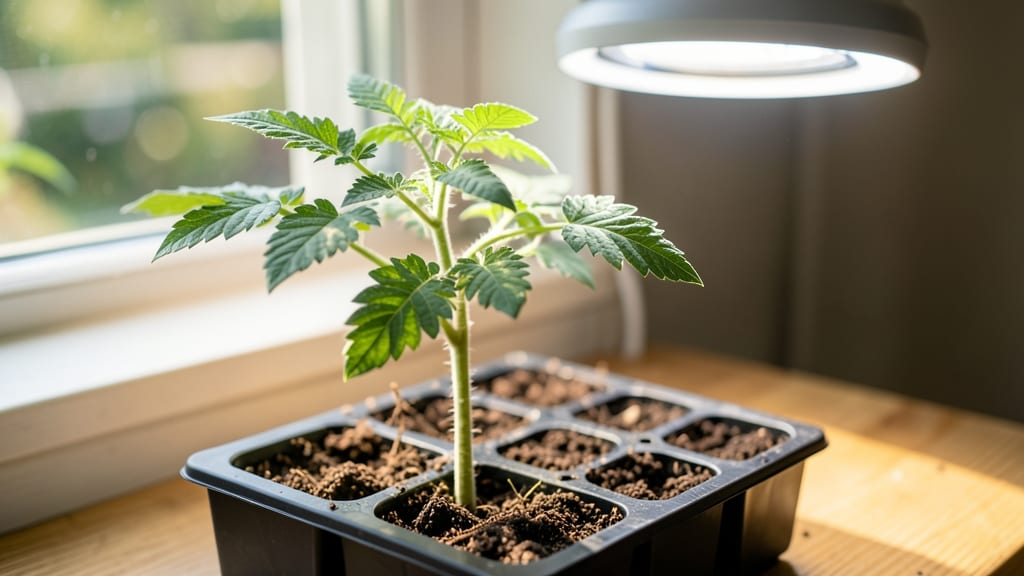
Planting tomato seeds indoors in Ontario means timing your start 6-8 weeks before the last frost — a window that turns a February-March date into your ticket to a summer of juicy 🍅 harvests.
Timing is everything when growing tomatoes in Ontario—plant too early, and your seedlings will outgrow their indoor space; too late, and you’ll miss the outdoor growing season. Mastering the perfect indoor start window ensures robust, healthy plants ready for Ontario’s short but sweet summer.
For gardeners in zones 5b-6a, this means starting seeds between late February and early March, when daylight stretches long enough to support strong, stocky seedlings. Get it wrong, and you’re stuck with leggy, weak plants that struggle to catch up.
Below, I’ll walk you through the exact dates by region, how to adjust for early or late starts, and the 3 key steps to keep your seedlings thriving until transplant time.
Ontario’s best indoor tomato seed starting dates by hardiness zone
Ontario’s climate demands precision when starting tomato seeds indoors. The last frost dates vary dramatically across USDA zones 5a to 9b, meaning your ideal seed-starting window depends entirely on where you live.
In northern Ontario (zones 5a-5b), you’ll start seeds much earlier than in southern Ontario (zones 8a-9b) to account for shorter growing seasons. Getting this timing right ensures your seedlings are strong and stocky by transplant time, not leggy and weak.
For most Ontario gardeners, the ideal indoor start window falls between late February and early April. This range accounts for the 6-8 week growth period tomatoes need indoors before they’re ready to move outside.
However, early starters in zone 5a may begin as early as mid-January, while late-zone gardeners in 9b can wait until mid-April. The key is matching your seed-starting timeline to your local last frost date and adjusting for early or late springs.
Why timing matters: Starting too early leads to overcrowded seedlings and wasted space, while starting too late risks transplant shock or stunted growth. Ontario’s variable weather adds another layer—some years, frost lingers into late May, while others see unseasonably warm spells in April. Use the table below to pinpoint your exact zone and ideal start dates, then adjust based on your microclimate and past weather patterns.
Pro Tip: If you’re unsure about your exact last frost date, check your local weather station records or use the Canada Agriculture and Food’s frost maps. Many Ontario gardeners also plant a few extra seeds in late March as a backup—just in case the season starts late.
If you’re in zone 5a or 5b, I recommend starting your seeds by
How to calculate your exact tomato seed start date for Ontario’s climate
Ontario’s climate demands precision when starting tomato seeds indoors. The last frost date (typically mid-May) and your seedling growth rate are the two critical factors. Without the right timing, you risk leggy seedlings or plants that never mature outdoors.
Let’s break down the exact steps to calculate your perfect start date, tailored to Ontario’s 5b-6a hardiness zones.
First, note that tomatoes need 6-8 weeks indoors before transplanting. This window accounts for germination (7-14 days), seedling growth, and hardening off. For Ontario, this means starting seeds in late February to early March for most regions.
However, your exact date depends on your local frost-free average and microclimate. Use the ‘12-14 week rule’ as your guide: count backward from your average last frost date.
- Step 1: Find Your Last Frost Date
- Step 2: Apply the 12-14 Week Rule
- Step 3: Adjust for Seedling Growth Rate
- Step 4: Account for Microclimates
- Step 5: Verify Seed Packet Instructions
Check your local last frost date (e.g., May 15 for most of Ontario). Use resources like the Canadian Hardiness Zone Map or Environment Canada.
Subtract 12-14 weeks from your last frost date. For example, if your frost date is May 15, your start date falls between February 15 and March 1.
Tomato seeds germinate in 7-14 days. If using heat mats, germination speeds up to 5-7 days. Plan for 6-8 weeks of indoor growth before transplanting.
Southern Ontario (e.g., London, Windsor) can start seeds 1-2 weeks earlier than northern areas (e.g., Sudbury, North Bay). Use your local frost history to fine-tune.
Some heirloom varieties (e.g., Brandywine) need 8-10 weeks indoors. Check your seed packet for days to maturity and adjust your start date accordingly.
Once you’ve calculated your start date, mark it on your calendar and prepare your seed-starting setup. Use sterilized seed trays and a grow light (or a south-facing window) to ensure strong, healthy seedlings.
Avoid starting too early—leggy seedlings are a common Ontario pitfall when seeds are planted in January.
For extra insurance, consider starting a second batch 1-2 weeks later. This hedge against late frost or slow germination gives you backup seedlings if your first batch struggles. Ontario’s unpredictable spring weather makes this a smart move for first-time tomato growers.
Pro tip: Use a seedling heat mat to speed up germination and avoid the 7-14 day wait. Place your trays on the mat until seeds sprout, then move them under lights. This 2-3 day boost can make all the difference in Ontario’s short growing season. 🌱