
Plants
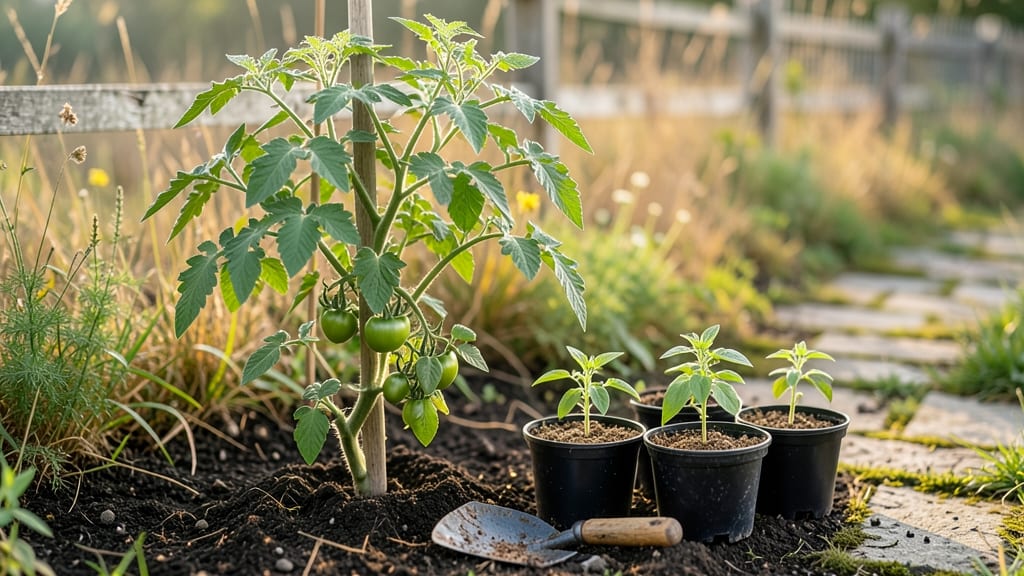
Planting tomatoes in Arizona means timing your seeds or starts for cool winter months—between January and March—when the desert’s brutal heat hasn’t yet arrived.
Arizona’s scorching summers can turn your tomato plants into crispy failures if you don’t time your planting just right—but with the right schedule, you’ll enjoy juicy vines all season long.
Low desert areas like Phoenix need early starts (by January), while high desert regions like Flagstaff can wait until March to avoid frost. The key is beating the heat before it stresses young plants.
Here’s how to pick the perfect planting window for your Arizona zone, plus tips to keep your 🍅 thriving through the summer months—no matter where you garden.
Best Arizona tomato planting months by climate zone
Arizona’s diverse climate zones create three distinct planting windows for tomatoes. The Low Desert (Phoenix) has the longest growing season, while the High Desert (Flagstaff) requires earlier starts to avoid frost. Even the Mid Desert (Tempe) needs careful timing to beat summer heat.
Let’s break down the best months for each zone and how to choose between heirloom and hybrid varieties for success.
Heirloom tomatoes like ‘Arkansas Traveler’ thrive with cooler starts but struggle in 100°F+ heat. Hybrids such as ‘Heatmaster’ or ‘Solar Fire’ handle Arizona’s extremes better but may sacrifice flavor.
Your planting month depends on your zone—and whether you’re starting seeds indoors or buying transplants. Let’s dive into the specifics for each area.
Low Desert (Phoenix) gardeners have the most flexibility. The ideal window is January through March, with February being the sweet spot. Soil temperatures should reach 60°F+ before planting outdoors. If you start seeds indoors, begin 6-8 weeks before your target transplant date to give seedlings a head start against the desert’s relentless sun.
Mid Desert (Tempe) follows a similar schedule but with slightly cooler nights. Plant January through early April, focusing on February and March for best results. Temperatures here can drop below freezing in winter, so protect young plants with row covers or move containers indoors during cold snaps. Succession planting in late March can extend your harvest into fall.
The High Desert (Flagstaff) demands earlier action. Start seeds indoors by late January and transplant outdoors between March 15 and April 15. Frost can linger until mid-May, so choose cold-hardy varieties like ‘Stupice’ or ‘Mountain Merit’.
Use black plastic mulch to warm soil faster and protect against late frosts.
| Climate Zone | Best Planting Months | Soil Temp | Heat Tolerance Tips | Variety Recommendations |
|---|---|---|---|---|
| Low Desert (Phoenix) | Jan–Mar (peak: Feb) | 60°F+ | Use shade cloth 30–50% in June–Aug | ‘Heatmaster’, ‘Solar Fire’, ‘Celebrity’ |
| Mid Desert (Tempe) | Jan–early Apr (peak: Feb–Mar) | 55°F+ | Mulch with straw to retain moisture | ‘Arkansas Traveler’, ‘Better Boy’, ‘Early Girl’ |
| High Desert (Flagstaff) | Mar 15–Apr 15 | 50°F+ | Use row covers for frost protection | ‘Stupice’, ‘Mountain Merit’, ‘Glacier’ |
For heirloom varieties, prioritize January–February planting in all zones. These tomatoes need cooler weather to develop flavor, so avoid transplanting after March 15 in the Low Desert. Hybrid varieties, however, can handle later starts—even April transplants in the Mid Desert—thanks to their built-in heat tolerance.
If you’re experimenting with cherry tomatoes, try ‘Sweet Million’ or ‘Tiny Tim’ for container growing in shaded patios.
Pro tip: Test your soil’s pH (6.0–6.8) before planting. Arizona’s alkaline soils often need sulfur or peat moss to create the ideal acidic environment. Amend beds with compost and a balanced fertilizer (5-10-10) at planting time.
Avoid over-fertilizing in summer, as this can lead to blossom drop when temps exceed 90°F.
Container gardeners in the Low Desert can extend the season by planting April–May with self-watering pots and 5-gallon minimum size. Place containers in morning sun to avoid afternoon heat stress.
In the High Desert, use black pots to absorb heat and protect roots from frost. Always include drainage holes to prevent root rot—a common issue in Arizona’s intense sun.
Remember, succession planting is key for a continuous harvest. In the Low Desert, sow new seeds every 2–3 weeks from January through April. In cooler zones, stick to one planting window but choose determinate varieties (like ‘Roma’) for a single, heavy harvest.
With the right timing and variety, you’ll beat the heat and enjoy tomatoes from May through October—no matter where you garden in Arizona.
How to beat Arizona heat: shade cloth, mulch, and watering hacks
Arizona’s summer sun can turn your tomato plants into crispy failures if you don’t protect them properly. Even with perfect planting timing, extreme heat causes blossom drop and sunscald. The good news?
Simple strategies like shade cloth, mulching, and smart watering can save your harvest. I’ve grown tomatoes here for years, and these tricks keep my vines thriving when temps hit 110°F+.
Your first defense is shade cloth, which blocks 30-50% of sunlight during peak heat. I start using it in late May when daytime temps consistently exceed 95°F. For mulching, I swear by straw or wood chips—they keep soil temps 10°F cooler and lock in moisture.
Pair these with deep watering schedules, and you’ll prevent blossom end rot and fruit cracking.
One of my biggest mistakes was ignoring shade cloth timing. Last summer, I waited until June to add it, and my cherry tomatoes developed sunscald—those white, leathery patches ruin flavor.
Now, I monitor weekly high temps and act when they hit 90°F consistently. For mulching, I double-check the depth—less than 2 inches won’t insulate roots properly.
Your watering schedule is just as critical. I used to water in the evening, but that led to fungus issues. Now, I set my timer for 5 AM and let the plants dry slightly between waterings.
During heatwaves, I add a second watering at noon to keep roots cool. Pro tip: Group plants together to create microclimates that retain moisture longer.
If you’re growing heirloom tomatoes, they’re more sensitive to heat than hybrids. I switch to ‘Heatmaster’ or ‘Solar Fire’ varieties—they handle 100°F+ temps better. For all tomatoes, I avoid fertilizing in summer—it encourages new growth that won’t ripen in the heat.
Instead, I focus on pruning and shade to protect existing fruit.
With these hacks, my tomato plants produce all summer long, even when the desert bakes. The key is consistency: shade when it’s hot, mulch to keep roots cool, and water deeply and early.
Your vines will thank you with juicy, flavorful tomatoes instead of sad, sunburnt failures. 🌿☀️💧