
Plants
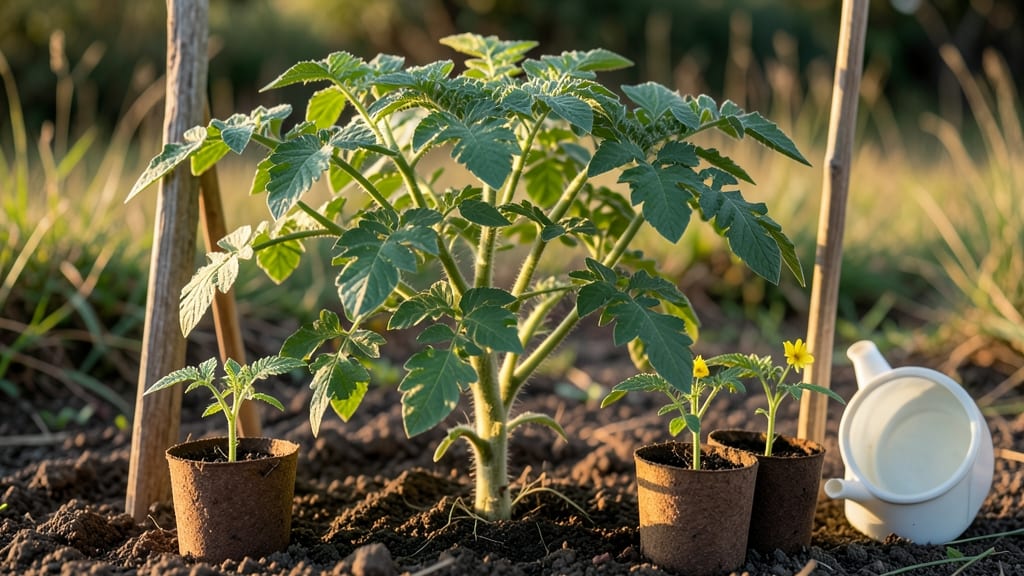
To plant tomatoes in Minnesota, time your move for mid-May to early June—after the last frost has passed and soil warms to at least 55°F.
Minnesota gardeners know timing is everything—plant tomatoes too early, and frost will strike; too late, and your harvest shrinks. But with the right cold-hardy varieties and precise last-frost dates, you can beat the odds and enjoy homegrown 🍅 from your MN garden.
In USDA Zones 4a-5b, average last-frost dates hover around May 10-20, but unpredictable spring weather means waiting for consistent nighttime temps above 50°F is the real key.
Whether you're starting seeds indoors in March or transplanting young plants outdoors, this guide breaks down the exact windows, best varieties, and pro tips to stretch your season—so you can savor that first ripe tomato by July.
Minnesota’s last-frost dates & exact planting windows by zone
Timing your tomato planting in Minnesota means mastering the last-frost dates and adjusting for your USDA zone. Frost can strike as late as May 20th in northern zones, while southern Minnesota often sees frost-free soil by May 10th.
These differences mean your planting window shifts dramatically—sometimes by weeks—depending on where you live.
For cold-hardy tomato varieties, I recommend starting seeds indoors 6-8 weeks before your last frost date. This gives seedlings a head start and ensures they’re ready to transplant after Memorial Day, when soil temperatures consistently stay above 55°F.
But don’t wait too long—transplanting after June 1st risks a shorter harvest before fall frosts arrive.
Minnesota’s USDA zones 3-7 create unique challenges. Zone 3 gardeners (like those in Duluth) face shorter seasons, while Zone 7 (near Rochester) enjoys a longer growing window. Below is your zone-by-zone planting guide, including exact dates for starting seeds and transplanting outdoors.
Pro Tip: Use row covers or a cold frame to extend your season by 2-3 weeks in early spring or late fall. Even a simple black plastic mulch can warm soil by 5-10°F, helping tomatoes thrive sooner.
| Zone | Avg. Last Frost | Start Seeds Indoors | Transplant Outdoors | First Frost Risk |
|---|---|---|---|---|
| Zone 3 (Northwest MN) | May 20 - June 1 | April 15 - April 30 | June 1 - June 15 | Mid-September |
| Zone 4 (Minneapolis, St. Cloud) | May 10 - May 20 | March 25 - April 15 | May 15 - May 31 | Late September |
| Zone 5 (Southwest MN) | May 1 - May 10 | March 15 - March 30 | May 1 - May 15 | Early October |
| Zone 6 (Rochester, Winona) | April 25 - May 5 | March 1 - March 15 | April 25 - May 10 | Mid-October |
| Zone 7 (Southeast MN) | April 15 - April 25 | February 25 - March 10 | April 15 - April 30 | Late October |
If you’re in Zone 3 or 4, prioritize early-maturing varieties like ‘Stupice’ or ‘Mountain Merit’, which can produce fruit in just 60-70 days.
For Zones 5-7, you’ve got room to experiment with heirlooms or larger varieties, but always aim to transplant by Memorial Day to maximize your harvest.
Minnesota’s weather is famously unpredictable, so I always recommend checking the MN State University Extension’s frost forecast in early spring. A late frost in May can wipe out young seedlings, so keep row covers on hand.
For extra protection, I use burlap sacks or old blankets to shield tender plants during unexpected cold snaps.
For container gardening, transplant your tomatoes 1-2 weeks later than in-ground plants. Containers warm up more slowly, and their roots are more vulnerable to temperature fluctuations. If you’re using black pots, they can absorb heat faster—ideal for extending your season in Zone 5 and below.
Don’t forget to harden off seedlings before transplanting. Acclimate them to outdoor conditions over 7-10 days by gradually increasing their time outside. This reduces shock and helps them establish faster. Start with 1-2 hours in the shade, then move to full sun over a week.
By following these zone-specific guidelines, you’ll avoid the heartbreak of frost-nipped tomatoes and enjoy a bountiful harvest. Even in Minnesota’s short season, with the right timing and cold-hardy varieties, you can grow tomatoes that rival those in warmer climates! 🌱
Best cold-hardy tomato varieties for Minnesota gardens
Minnesota’s short growing season demands fast-maturing, cold-tolerant tomato varieties that can handle cool nights and unpredictable spring weather. The right choices mean the difference between a bountiful harvest and wasted effort. I’ve tested these top 5 varieties in my own MN garden—each brings something unique to your table.
Look for early-maturing hybrids (under 65 days) and heirlooms with disease resistance to thrive in USDA Zones 4-5. These varieties balance flavor, yield, and cold tolerance perfectly for Minnesota’s climate. Let’s dive into the details so you can pick the perfect fit for your garden.
Early Girl is my go-to for fast harvests—it matures in just 50-55 days, perfect for Minnesota’s short season. This hybrid variety handles cool nights down to 50°F and resists common diseases like verticillium and fusarium wilt. The flavor is sweet and balanced, making it ideal for slicing.
Stupice and Glacier are my top picks for cold tolerance, thriving even when nighttime temps dip to 45°F. Both are heirloom varieties with exceptional disease resistance, including tobacco mosaic virus. Stupice offers a rich, smoky flavor, while Glacier delivers crisp, sweet tomatoes perfect for salads.
If you love heirloom tomatoes, Brandywine delivers meaty, old-fashioned flavor but requires warmer nights (55°F+). It’s slower to mature (75-85 days), so I recommend starting seeds indoors in March for a late-summer harvest. The trade-off? Unmatched taste that’s worth the wait.
For maximum yield, Mountain Merit and Glacier produce 15-20 lbs per plant while resisting cracking and blight. Both varieties thrive in MN’s humidity and deliver consistent harvests even with late starts. I’ve seen them produce tomatoes well into September with proper care.
Pro tip: Pair Glacier or Stupice with row covers for early planting (as early as mid-April in protected beds). This extends your season by 2-3 weeks, giving you more time to enjoy homegrown tomatoes before frost. Just remove covers when flowers appear to prevent heat stress.