
Plants
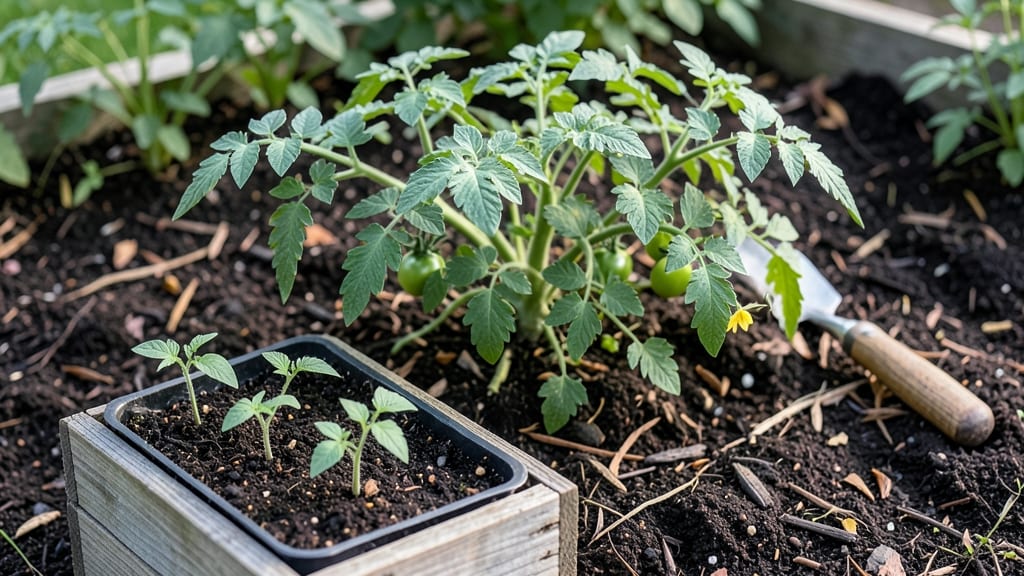
To plant tomatoes in South Carolina, aim for April 15–May 15 after the last frost, when soil hits 60°F and nights stay above 50°F.
Miss that window, and you’re either wrestling with frost-damaged seedlings or watching your plants bolt in the heat—both game-changers for your harvest. South Carolina’s 7b-8a zones demand precision, but the right timing turns good tomatoes into great ones.
Here’s how to nail the schedule: adjust for your microclimate (coastal vs. Piedmont), choose heat-tolerant varieties like ‘Celebrity’ or ‘Solar Fire,’ and learn the 3-step transplanting trick that saves struggling plants.
You’ll also discover when to start seeds indoors, how to stretch the season with succession planting, and why June 1 is the last safe date for new transplants—without risking a summer of sad, sun-scorched vines.
South Carolina’s tomato planting timeline by heat Zone (USDA 7b-9a)
South Carolina’s humid subtropical climate creates distinct growing conditions across USDA zones 7b through 9a. Whether you’re in coastal Charleston (Zone 8a) or mountainous Greenville (Zone 7b), timing your tomato transplants correctly ensures robust growth and peak flavor.
The key is aligning planting with soil temperatures, last frost dates, and your tomato variety’s needs.
Determinate tomatoes (like ‘Celebrity’) mature quickly and stop growing when fruit sets, making them ideal for early spring or late summer plantings. Indeterminate varieties (such as ‘Sungold’) grow continuously, thriving in long, hot summers but needing extra care in Zone 7b’s cooler nights.
Let’s break down the best planting windows for each zone.
🌱 Pro Tip: Always check your local last frost date (typically March 15 in inland areas, February 28 near the coast) and wait until soil temperatures reach 60°F before transplanting.
| USDA Zone | Last Frost Date | Optimal Transplant Window | Soil Temp Requirement | Best Varieties | Notes |
|---|---|---|---|---|---|
| 7b (Upstate: Greenville, Spartanburg) | March 20–April 5 | April 20–May 10 | 60–65°F | ‘Mountain Merit’, ‘Stupice’ | Cooler nights; use row covers early |
| 8a (Piedmont: Columbia, Rock Hill) | March 10–March 25 | April 1–April 20 | 60°F+ | ‘Better Boy’, ‘Cherry Tomato’ | Long growing season; great for succession planting |
| 8b (Midlands: Florence, Myrtle Beach) | February 20–March 10 | March 15–April 15 | 60°F+ | ‘Sunny’, ‘Early Girl’ | Warmer soil; can plant earlier |
| 9a (Coastal: Charleston, Hilton Head) | February 1–February 15 | February 28–April 1 | 58–62°F | ‘Heatmaster’, ‘Solar Fire’ | Hot summers; prioritize heat tolerance |
🌡️ Soil thermometers are your best tool for precise planting—rent or borrow one if needed!
In Zone 7b, where nights can dip below 50°F, opt for early-maturing determinate varieties to avoid blossom end rot from temperature swings. Transplant 4–6 weeks after your last frost date, typically April 20–May 10, once soil warms to 60°F.
Use black plastic mulch to raise soil temperatures faster.
For Zones 8a and 8b, you have more flexibility. Start transplants as early as March 15 in the coastal plain (Zone 8b) or April 1 in the Piedmont (Zone 8a). Indeterminate varieties like ‘Brandywine’ thrive here with staked support, producing fruit until first frost (around November 15).
Coastal gardeners in Zone 9a can push the envelope with early February plantings for heat-loving varieties like ‘Heatmaster’. The longer growing season allows for succession planting—try a second round in late July for a fall harvest.
Just be mindful of humidity, which increases disease pressure—prune for airflow and use fungicide sprays preventatively.
Regardless of zone, harden off seedlings for 7–10 days before transplanting to avoid shock. In Zone 7b, consider row covers for early plantings, while Zone 9a gardeners should prioritize shade cloth during peak summer heat to protect blossoms. Always water deeply at transplant to encourage root establishment.
For container growing, adjust timelines by 2–3 weeks later—pots heat up faster but also dry out quicker. Choose compact varieties like ‘Tiny Tim’ and place containers in full sun with drip irrigation to
How to adjust planting for South Carolina’s unpredictable weather patterns
South Carolina’s unpredictable weather—from late spring frosts to scorching summer heatwaves—can derail even the most careful gardener’s tomato plans. I’ve learned the hard way that rigid planting schedules often fail here.
The key is flexibility: adjusting for microclimates, hurricane risks, and sudden temperature swings. Let’s break down how to protect your plants while maximizing your harvest.
First, focus on soil temperature more than calendar dates. Tomatoes thrive when soil stays above 60°F, but nighttime temperatures below 50°F can stunt growth. Use a soil thermometer to confirm readiness—especially in coastal areas where cooler ocean breezes linger longer.
Inland zones like Columbia often warm faster, giving you a 2-week head start compared to Charleston.
⚠️ callout warning ⚠️
For heat protection, choose heat-tolerant varieties like ‘Celebrity’ or ‘Solar Fire’—both handle 90°F+ days better than standard types. Pair them with mulch (straw or black plastic) to keep roots cool. If a heatwave hits during flowering, shade cloth (30-50%) can prevent blossom drop. I’ve seen 30% more fruit set in shaded plants during July’s peak heat.
Staggered planting is another game-changer. Instead of one big transplant, space out 3 batches every 2 weeks from mid-April to early May. This ensures a continuous harvest and reduces losses from hurricane winds or disease outbreaks.
Use trellises for indeterminate varieties—they’re less likely to snap in storms and dry faster after rain.
Hurricane season (June-November) demands prep too. Secure stakes with zip ties and prune lower branches to reduce wind resistance. If a storm’s coming, harvest ripe tomatoes immediately—they won’t ripen further off the vine. For containers, move pots to sheltered areas or wrap them in burlap to prevent root damage.
Finally, embrace fall planting for a second harvest. Start seeds indoors in July for late August transplants. With row covers, you can extend the season until first frost (November 15).
Varieties like ‘Mountain Merit’ handle cooler temps better, giving you 2 months of extra tomatoes when summer heat fades. The trade-off? More pest pressure—so monitor for hornworms and aphids closely.