
Plants
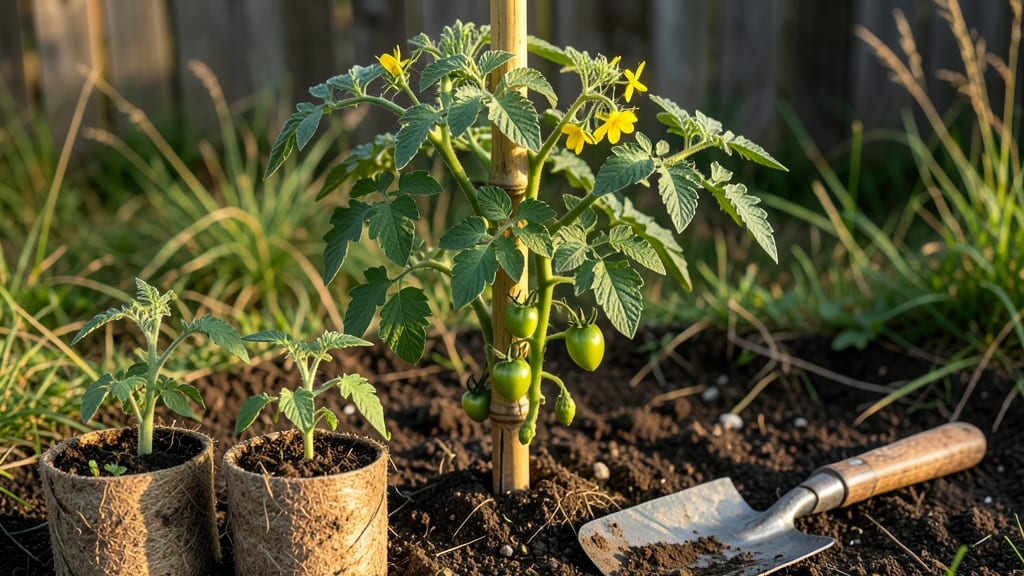
Planting tomatoes in West Virginia after your last frost — typically around April 15 — is the key to avoiding wasted seedlings and maximizing your harvest.
Timing your tomato planting in West Virginia can mean the difference between a bountiful harvest and wasted effort — especially with the state’s diverse microclimates and unpredictable spring weather.
Whether you’re in the cooler Appalachian highlands or the warmer river valleys, getting the timing right ensures your 🍅 plants thrive from transplant to ripe fruit.
Here’s how to pinpoint the perfect window for your garden, adjust for local conditions, and choose varieties that perform best in your specific zone.
West Virginia’s best tomato planting dates by region (mountains vs. valleys)
West Virginia’s varied terrain—from the rugged Appalachian Mountains to the warmer Kanawha Valley—creates distinct planting zones for tomatoes. Last frost dates can differ by 2-3 weeks between regions, so timing matters.
In USDA Zones 6a-7a, soil temperatures and elevation play critical roles in determining when to plant your tomato seedlings or direct sow seeds.
For mountain gardeners in areas like Pocahontas County or Randolph County, cooler nights and slower soil warming mean you’ll need to wait longer than valley gardeners in Charleston or Martinsburg.
Meanwhile, the Eastern Panhandle often enjoys earlier springs due to its lower elevation and proximity to the Potomac River, allowing for earlier transplants.
Here’s how to align your planting with West Virginia’s microclimates, including soil temperature thresholds and frost risk adjustments:
| Region | USDA Zone | Last Frost Date | Ideal Planting Window | Soil Temp Threshold | Notes |
|---|---|---|---|---|---|
| Appalachian Highlands (e.g., Monongahela NF, Tucker County) | 6a | May 1-15 | May 15-30 | 60°F+ | Use black plastic mulch to warm soil faster. |
| Kanawha Valley (e.g., Charleston, Huntington) | 6b-7a | April 15-May 1 | April 25-May 10 | 55°F+ | Warmer valleys allow earlier transplanting. |
| Eastern Panhandle (e.g., Martinsburg, Shepherdstown) | 6b-7a | April 1-15 | April 15-May 1 | 55°F+ | Protect seedlings with row covers if nights dip below 50°F. |
In the Appalachian Mountains, where elevations often exceed 3,000 feet, gardeners should prioritize cold-hardy varieties like 'Mountain Merit' or 'Stupice' and use cold frames to extend the season.
These areas experience later last frosts (often May 1-15) and cooler soil, so wait until the soil temperature consistently reaches 60°F before planting.
For the Kanawha Valley, which benefits from the Ohio River’s moderating influence, last frosts typically occur by April 15.
This region’s warmer microclimate allows for earlier planting—sometimes as early as late April—but gardeners should still monitor nighttime temperatures, which can drop below 40°F in early spring.
Gardeners in the Eastern Panhandle near the Potomac River often enjoy the state’s earliest springs, with last frosts averaging April 1-15. However, this region’s proximity to cooler air masses from the north means row covers or cloches are essential for protecting young seedlings from unexpected late frosts.
To maximize your tomato harvest, consider succession planting in warmer regions. In the Kanawha Valley or Eastern Panhandle, you can plant a second batch of fast-maturing varieties (like 'Early Girl') in mid-June to extend your harvest into fall.
In contrast, mountain gardeners should focus on one main planting and prioritize heat-tolerant varieties to avoid blossom drop in summer’s occasional heatwaves.
Always check local frost forecasts from the West Virginia State Climate Office or NOAA in early spring, as microclimate variations can shift planting dates by 1-2 weeks. For example, a north-facing slope in Pendleton County may frost later than a south-facing valley just 10 miles away.
Pro tip: Use a soil thermometer to confirm soil temperatures before planting. Tomatoes thrive when soil is at least
How to adjust tomato planting for West Virginia’s microclimates (soil, elevation, and wind factors)
West Virginia’s dramatic elevation changes—from the Appalachian highlands to the Kanawha River Valley—create microclimates that demand tailored tomato planting strategies. In Monongahela National Forest areas, cooler temperatures and shorter growing seasons require early starts, while Charleston’s river valleys offer longer warm periods for extended harvests.
Understanding these variations lets you maximize your tomato yield despite the state’s unpredictable spring weather.
Soil temperature is your #1 planting guide—tomatoes need 60°F soil to thrive, but mountain soils warm 2-3 weeks later than valley soils.
At higher elevations, like Davis, WV (USDA Zone 6a), aim to transplant seedlings by May 10-20, while lower elevations near Huntington (Zone 7a) can safely plant by April 25-May 10. Always check local frost-free dates using the WVU Extension Service maps for precision.
⚠️ callout-warning ⚠️
High-elevation gardens (above 2,500 ft) face cold wind exposure that can stunt tomato growth. Use windbreaks (like corn stalks or burlap fences) or plant near stone walls to protect seedlings. Avoid open fields—windburn turns leaves brown and weakens plants before fruiting.
🌬️ Pro Tip: Test wind exposure by placing a white cloth on stakes overnight. If it’s damp by morning, your site is too windy for tomatoes.
For cold mountain pockets, extend the season with cold frames or row covers. Start seeds indoors by March 15 and transplant hardened-off seedlings into cold frames by April 15.
Remove covers after May 10 to prevent overheating. In warmer valleys, succession plant every 2 weeks from April 15-May 15 to stagger harvests through October.
Soil type matters just as much as climate. Sandy soils in the Eastern Panhandle drain too quickly—amend with compost and peat moss to retain moisture. Clay-heavy soils in the Allegheny Highlands need gypsum and organic matter to improve drainage.
Test your soil’s pH (6.0-6.8 is ideal) and adjust with lime (to raise pH) or sulfur (to lower pH) before planting.
Transplanting tricks make all the difference. Harden off seedlings for 7-10 days before moving them outdoors, and transplant on a cloudy day to reduce shock.
Bury stems 1/3 deeper than their container height to encourage root growth—this is especially critical for indeterminate varieties like 'Mountain Merit,' which need strong root systems to support heavy fruit loads.
Monitor your plants closely for early blight (common in humid valleys) and cracking (from uneven watering in mountain heatwaves). Mulch with straw or shredded leaves to regulate soil temperature and reduce watering frequency.
In high-humidity areas, water at the base of plants in the morning to prevent fungal diseases like late blight, which can devastate tomato crops in West Virginia’s wet springs.