
Plants
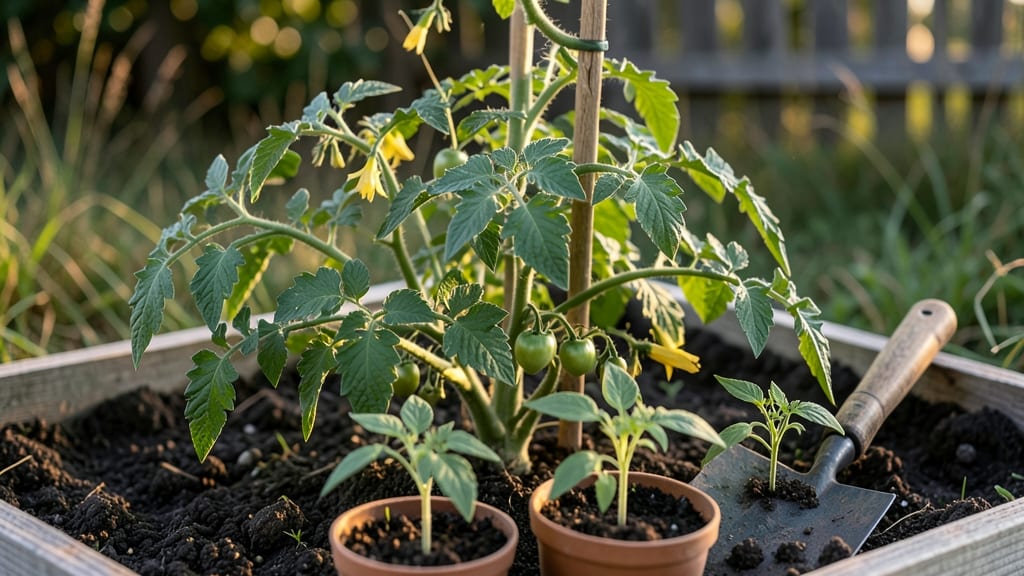
Planting tomatoes in Zone 9b at the right time means the difference between a bountiful harvest and wilting vines by June. The key is beating the heat—not waiting for spring, but starting in late January when soil temperatures stabilize below 85°F.
If you’ve ever struggled with tomato plants wilting under Zone 9b’s relentless sun, you’re not alone—but timing is the secret to thriving harvests in this climate. Plant too early, and scorching heat will fry your seedlings; too late, and you’ll miss the sweet spot for flavorful fruit.
Zone 9b’s 300+ frost-free days mean you can grow tomatoes year-round, but the real challenge is avoiding summer’s peak temperatures. Heat-tolerant varieties like ‘Solar Fire’ or ‘Heatmaster’ handle the desert sun, but even they need careful scheduling.
Here’s exactly when to plant for maximum success: a month-by-month breakdown, heat-resistant varieties, and pro tips to extend your season without risking failure. Let’s get those 🍅 thriving!
Optimal planting windows for tomatoes in Zone 9b: month-by-month breakdown
Zone 9b’s hot, dry summers and mild winters create a unique challenge for tomato growers. Unlike cooler climates, we avoid summer planting entirely—those 95°F+ temperatures cause blossom drop and sunscald. Instead, focus on winter and early spring when soil temps stay below 85°F and days are shorter but still sunny.
The key is staggered planting to extend harvests from June through October. Start with heat-tolerant varieties in late January, then follow with successive transplants every 2-3 weeks until March. This ensures you’re always harvesting while avoiding the peak heat stress months of July and August.
Here’s your month-by-month breakdown, including soil prep, transplant timing, and when to direct sow for best results in Zone 9b:
| Month | Action | Soil Temp | Air Temp | Notes |
|---|---|---|---|---|
| Late January | Start transplants (6-8 weeks before last frost) | 60-65°F | 55-70°F | Use shade cloth if temps spike above 75°F |
| February | Transplant heat-tolerant varieties (e.g., 'Solar Fire', 'Heatmaster') | 65-70°F | 60-75°F | Avoid direct sowing—seedlings struggle in warm soil |
| Early March | Final transplant window before summer heat | 70-75°F | 70-80°F | Use mulch to retain moisture |
| April | No new plantings—focus on care | 75-85°F | 80-90°F | Prune suckers, stake plants, and watch for pests |
| May-June | Harvest early plantings; monitor for heat stress | 85-95°F | 90-100°F | Use drip irrigation to avoid wetting leaves |
| July-August | Avoid planting—peak heat stress | 95-105°F | 100-110°F | Focus on shade cloth and even watering |
| September | Prepare for fall succession (if space allows) | 85-90°F | 85-95°F | Use black plastic mulch to warm soil |
For container gardening, adjust timing by 1-2 weeks earlier—pots heat up faster. Always check soil temperature with a thermometer; tomatoes thrive when soil stays between 60-75°F. If your soil runs hotter, amend with organic matter like compost or coconut coir to improve moisture retention.
Another pro tip: Stagger your plantings by 2 weeks. This ensures a continuous harvest from June through October. For example, plant your first batch in late January, then follow with transplants in early February and mid-February.
By the time the first plants mature, your later plantings will be ready to take over.
If you’re direct sowing (not recommended in Zone 9b due to heat), do it only in late winter (December-January) when soil temps are cool. Seedlings take 7-10 days to germinate in ideal conditions, so time it right to avoid the spring heat rush.
Use seedling heat mats if your soil stays below 60°F.
Remember, tomatoes are 95% water, and Zone 9b’s dry air demands deep, consistent watering. Aim for 1-2 gallons per plant every 2-3 days during peak heat. Water at the base of the plant in the morning to prevent fungal diseases like early blight, which thrives in humid conditions.
Finally, avoid fertilizing during extreme heat—it stresses
Heat-tolerant tomato varieties that thrive in Zone 9b’s climate
Zone 9b’s intense sun and dry heat can turn tomato plants into crispy failures—but the right varieties thrive under these conditions. I’ve grown heat-resistant tomatoes here for years, and these top 8 varieties consistently deliver flavorful fruit without wilting.
The key is selecting disease-resistant types that handle 90°F+ temperatures while producing sweet, juicy tomatoes.
Not all tomatoes perform equally in this climate. Some varieties bolt prematurely or suffer from blossom drop when temperatures climb. I’ve tested cherry, beefsteak, and heirloom options to find the best performers.
Below, I’ll share my top picks, their heat resistance ratings, and where to source seeds for Zone 9b’s unique growing conditions.
My #1 recommendation for Zone 9b is Solar Fire, a cherry tomato bred specifically for heat tolerance. It handles 100°F+ temperatures without sweating and produces prolific red fruit all season.
I’ve seen it yield 20+ lbs per plant in my Phoenix garden. For beefsteak lovers, Heatmaster is unbeatable—its disease resistance keeps it thriving when other varieties collapse.
If you prefer heirloom tomatoes, Arkansas Traveler and Black Krim are my go-tos. They’re heat-adapted and packed with rich, complex flavors. Just be prepared for slightly lower yields than hybrid varieties.
For container growing, Sungold and Mountain Merit are compact yet heat-resistant, perfect for balconies or patios.
Where to source these seeds? I always order from Baker Creek Heirloom Seeds or Seed Savers Exchange