
Plants
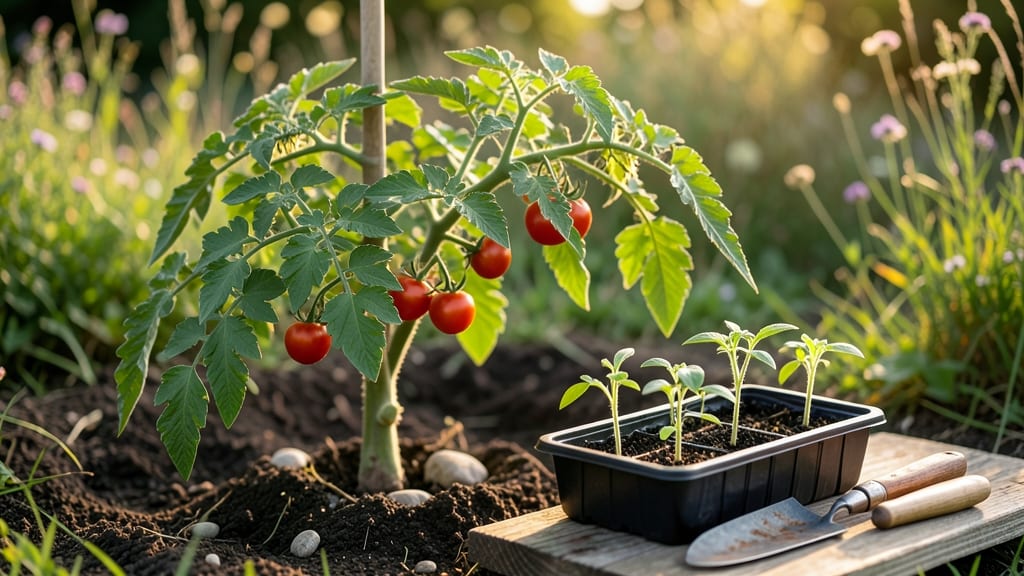
Planting tomatoes outside in Massachusetts means timing your transplant perfectly after the last frost — usually mid-May to early June, depending on your zone.
Miss that window, and you risk frost damage or a late-season harvest that never fully ripens. But with local frost-free deadlines and soil-warming tricks, you can stretch your growing season and boost your yield.
This guide breaks down the exact dates by zone, the best tomato varieties for your climate, and how to protect seedlings if the weather turns chilly again. No more guessing — just data-driven planting for a garden full of 🍅.
You’ll also learn how to extend your harvest past the official frost dates, so you can keep enjoying homegrown tomatoes well into October.
Massachusetts frost-free dates by zone: when to plant tomatoes safely
Massachusetts gardeners face a critical challenge: timing tomato plantings to avoid frost damage while maximizing the growing season. The state spans USDA zones 5a through 6b, creating significant variation in frost-free dates.
For example, Western MA (zone 6b) typically sees its last frost by May 15th, while Northern MA (zone 5a) may wait until June 1st or later. Understanding these differences helps you choose the right tomato varieties and planting strategy for your specific location.
Tomatoes are heat-loving plants that need consistent temperatures above 50°F at night and soil temperatures above 60°F to thrive. Planting too early exposes them to frost, while waiting too long shortens your harvest window.
The key is aligning your planting with your local frost-free date and adjusting for your garden's microclimate—whether you're in a sheltered valley or exposed hilltop.
To verify your exact frost-free date, check the National Oceanic and Atmospheric Administration (NOAA) frost probability maps or consult your local Cooperative Extension Service. These resources provide historical frost data and help you account for year-to-year variations.
For example, 2023 saw late frosts in early June in parts of Eastern MA, while 2022 had earlier-than-average frost-free dates in Western MA. Planning for these fluctuations ensures your tomatoes get the best possible start.
| USDA Zone | Avg Last Frost Date | Safe Planting Window | Tomato Variety Recommendations | Microclimate Adjustments |
|---|---|---|---|---|
| 5a (Northern MA) | June 1 - June 10 | June 15 - July 1 | Early Girl, Stupice, Glacier | Use row covers; plant near south-facing walls |
| 5b (Central MA) | May 25 - June 5 | June 1 - June 15 | Mountain Merit, Bush Early Girl, Cherry Tomato | Black plastic mulch warms soil faster |
| 6a (Southeastern MA) | May 10 - May 20 | May 25 - June 10 | Better Boy, Celebrity, Roma | Plant in raised beds for warmth |
| 6b (Western MA) | May 1 - May 15 | May 15 - May 30 | Beefsteak, Brandywine, Sungold | Succession plant every 2 weeks |
*Adjust planting dates 1-2 weeks earlier for microclimates with faster warming (e.g., urban areas) or later for cooler spots (e.g., high elevations).
Once you’ve identified your frost-free date, count backward to determine when to start seeds indoors. Most tomato varieties need 6-8 weeks of indoor growing before transplanting. For example, if your last frost is May 20th, start seeds around March 20th to April 1st.
Use grow lights to ensure seedlings get 14-16 hours of light daily—this prevents leggy, weak plants that struggle outdoors.
For gardeners in zone 5a, where frosts linger later, consider cold-hardy varieties like Stupice or Glacier, which tolerate cooler temperatures. These can handle light frosts down to 28°F once established, giving you a 2-3 week head start over traditional varieties.
Pair these with row covers or cold frames to extend your season even further.
Soil temperature is just as critical as air temperature. Use a soil thermometer to confirm your garden bed has reached at least 60°F before planting. If your soil is cooler, try black plastic mulch or straw bales to warm it faster. This is especially important in zone 5b and
Tomato varieties that thrive in Massachusetts climates (and when to start them indoors)
Massachusetts’ short growing season demands smart tomato choices. Determinate varieties produce fruit quickly in compact bushes, perfect for our 60-70 day window, while indeterminate types climb and produce all season—but need protection from early frosts.
I’ve tested dozens of varieties, and these 10 performers consistently deliver in MA’s USDA Zones 5b-6b.
Your indoor start date depends on your zone. In Zone 5b, begin seeds 8-10 weeks before your last frost (usually April 15-May 1). For Zone 6b, shift to 6-8 weeks out (around May 1-15).
Use a grow light or sunny windowsill—tomatoes need 12-16 hours of light daily to prevent leggy seedlings.
Cold-hardy varieties like ‘Stupice’ (a heirloom from Czechoslovakia) and ‘Mountain Merit’ tolerate 45°F nights and can handle early MA plantings. These are my go-to for late April starts with row covers. For heat lovers, ‘Better Boy’ and ‘Celebrity’ thrive in summer’s 80°F+ stretches but need black plastic mulch to warm soil quickly.
For late-season extensions, try ‘Early Girl’ (60 days) or ‘Patio Princess’ (55 days)—both produce fruit quickly and tolerate cooler temps. I’ve had success with these in Zone 5b by using row covers until June 1.
If you’re in Zone 6b, you can push indeterminate varieties like ‘Brandywine’ until July 1 for a late harvest.
Pro tip: Use a seedling heat mat ($15 at garden centers) to speed up germination. Place seeds ¼ inch deep in sterile potting mix and keep soil at 75-80°F until sprouts appear (usually 7-10 days).
Thin seedlings to 2-3 inches apart once they have 2 true leaves to prevent crowding.
Remember, MA’s first frost typically hits October 10-20, so plan your harvest window carefully. Indeterminate varieties can keep producing until frost, but determinate types will stop once they finish their set. For a second crop, save seeds from your best performers—many heirlooms like ‘Cherokee Purple’ adapt well to