
Vegetables
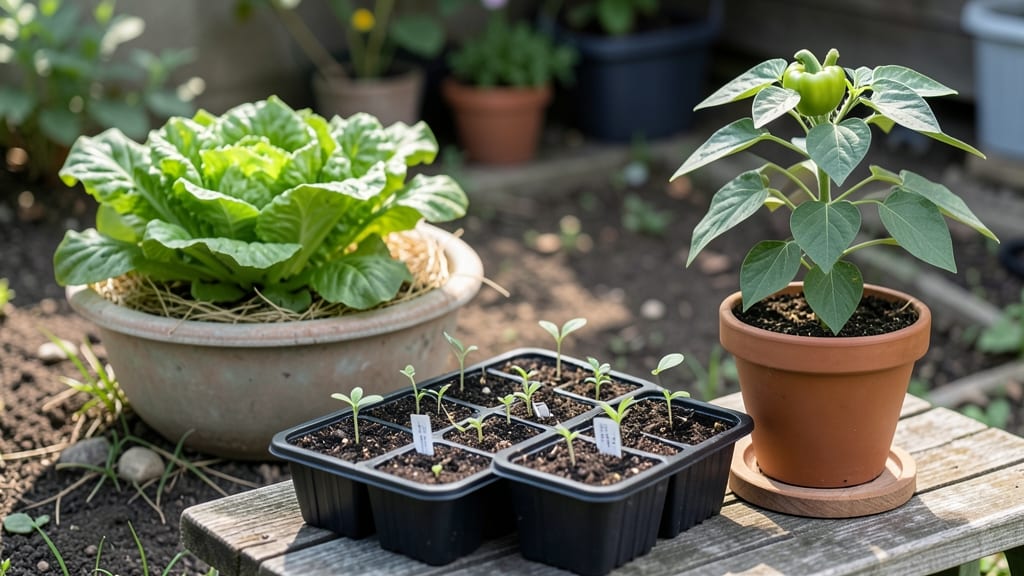
Planting vegetables in Arizona requires timing them perfectly to beat the heat—start cool-season crops like lettuce and peas in late September to harvest before summer, while warm-season favorites like tomatoes and peppers thrive when planted in March or April.
Skip the timing, and you’ll watch seedlings bolt in the desert sun or struggle under monsoon downpours. I’ve seen 🥕 greens turn bitter in a week when planted too early, and tomato plants wilt before they fruit when seeded in May.
The key? Aligning your schedule with Arizona’s 9b-11 zones and microclimates.
This guide breaks down the best months for every type of vegetable—from frost-tolerant kale in winter to heat-loving okra in summer—plus how to stretch your harvest with shade cloth, drip irrigation, and succession planting.
You’ll learn how to avoid common mistakes (like planting heat-sensitive crops in June) and when to fertilize, water, and harvest for maximum yield—so you’re eating homegrown food instead of fighting the desert climate.
Arizona’s heat-Zone planting calendar: best months by vegetable type
Arizona’s diverse microclimates—from Phoenix’s low desert to Flagstaff’s high desert—create unique planting challenges. Cool-season crops like lettuce and broccoli thrive in winter, while tomatoes and peppers demand summer heat. Timing is everything to avoid bolt-stage greens or sunburned fruits.
Your USDA Zone 9b-11 location means you can grow year-round, but extreme heat and monsoon rains dictate planting windows. For example, cool-season crops planted in September mature before summer’s 100°F+ temperatures, while warm-season favorites like okra and sweet potatoes need July–August to flourish.
Phoenix and Tucson gardeners focus on fall/winter planting (September–February) for leafy greens, while Flagstaff’s cooler climate extends growing seasons. Succession planting every 2–3 weeks ensures continuous harvests, but heat-tolerant varieties (like Malabar spinach) are non-negotiable for summer gardens.
For cool-season crops, start seeds indoors in August or direct-sow in September for harvests by February. Lettuce and spinach bolt quickly in spring heat, so use shade cloth (30–50%) to extend their life. Broccoli and cauliflower prefer 50–60°F soil, making November–January ideal planting windows.
Warm-season vegetables like tomatoes and peppers need soil temps above 60°F to germinate. In Phoenix, plant transplants in March or direct-sow in May after the last frost risk. Okra and sweet potatoes thrive in summer’s intense heat, but mulch heavily to retain moisture and prevent soil crusting.
In Flagstaff’s cooler climate, you can plant cool-season crops as late as April and warm-season crops until July. Succession plant beans and peas every 2 weeks for continuous harvests. Potatoes and onions planted in September store well through winter, reducing spring gardening stress.
Pro tip: Use Arizona’s monsoon season (July–August) to your advantage. Direct-sow seeds during afternoon showers to avoid hand-watering young plants. Drip irrigation with timers ensures consistent moisture without waste. For container gardens, choose heat-tolerant varieties like cherry tomatoes and peppers in black pots to absorb more sunlight.
Always check local frost dates—even in Zone 11, Flagstaff’s high desert can drop below 32°F in January. Protect tender plants with row covers or move containers
How to extend Arizona’s growing season for year-round harvests
Arizona’s extreme heat and occasional cool snaps challenge gardeners, but with the right strategies, you can enjoy year-round harvests. The key lies in protecting plants from temperature swings while optimizing water and sunlight. I’ve tested these methods in my own Phoenix garden—here’s what works best.
Start with succession planting to keep your garden productive. Instead of planting all your lettuce or spinach at once, sow small batches every 2-3 weeks during the cool season (September–March).
This ensures a continuous supply while avoiding bolting from heat stress. For example, I plant bush beans in late February and again in August to stretch the harvest window.
- Use shade cloth (30-50%) over heat-sensitive crops like cucumbers and zucchini during June–August. My 30% shade cloth kept my peppers producing through July’s 110°F days.
- Install drip irrigation on timers to deliver deep watering at dawn (4-6 AM). This prevents evaporation and fungal diseases from evening moisture. My tomatoes thrived with 20-minute daily watering during peak heat.
- Build low cold frames (unheated boxes with clear plastic lids) to protect winter greens like kale and arugula from light frosts. I extended my spinach harvest by 3 weeks using a DIY cold frame in January.
- Plant heat-tolerant varieties like ‘Black Seeded Simpson’ lettuce or ‘Arkansas Traveler’ tomatoes for summer production. These varieties handle 95°F+ temps better than standard types.
- Use mulch (straw or wood chips) to retain soil moisture and regulate temperature. A 3-inch mulch layer kept my carrots from drying out during April’s dry spells.
For winter gardening, cold-hardy crops like broccoli and cabbage thrive in Arizona’s cool-season windows (November–March). I’ve found that planting broccoli in late October gives me harvests until February—just cover seedlings with row fabric if temperatures dip below 30°F.
In high-desert areas (Flagstaff), even potatoes can be planted in March for fall harvests.
Don’t overlook container gardening for small-space solutions. I grow cherry tomatoes and herbs in 5-gallon pots on my patio, moving them to shadier spots during afternoon heat.
This lets me grow year-round without competing for in-ground space. Just ensure containers have drainage holes and use lightweight potting mix.
Finally, monitor local frost dates—even in Arizona! While Phoenix rarely sees frost, Tucson’s high desert can drop to 25°F in December. I check the National Weather Service for 10-day forecasts and use frost blankets on sensitive crops like peppers when night temps fall below 40°F.
With these strategies, my year-round garden now yields fresh produce every month—from winter greens to summer peppers. The secret? Adaptability and protecting plants from Arizona’s extremes. Try one method this season and watch your harvests grow! 🌱