
Vegetables
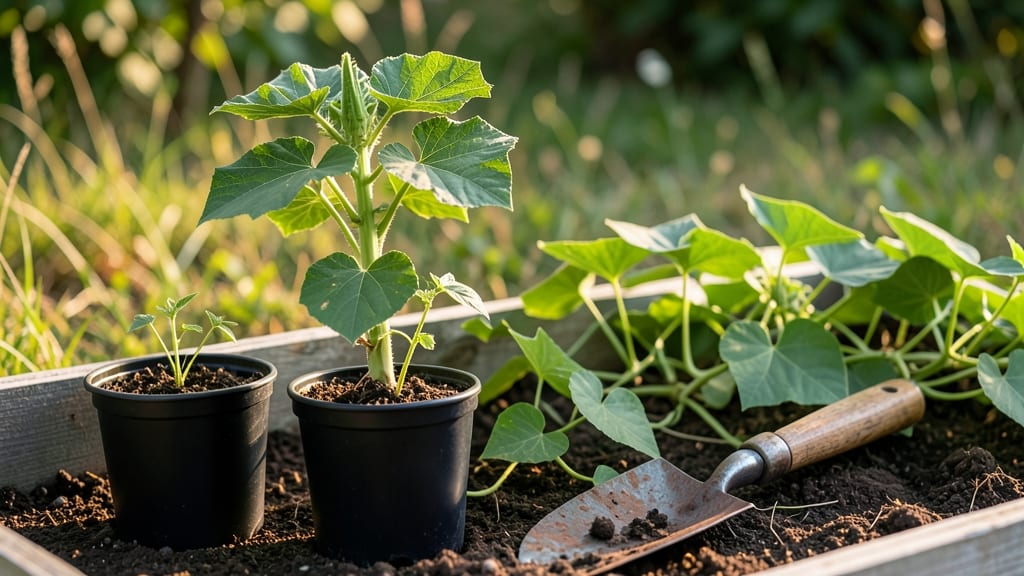
Planting vegetables in Louisiana requires timing them perfectly to beat the heat and humidity—miss the window, and your garden could turn into a sad, wilted mess before you even get to harvest.
Louisiana’s long, hot summers and sudden humidity spikes mean the difference between a thriving garden and a failed one often comes down to when you put those seeds in the ground.
But here’s the good news: with the right varieties and a few pro tips, you can enjoy fresh tomatoes, okra, and sweet potatoes year-round.
This guide covers the exact months for USDA Zones 8a and 9a, breaking down cool-season crops (like broccoli and lettuce) from heat-lovers (okra, sweet potatoes), plus how to stretch your growing season in Louisiana’s climate.
You’ll learn which vegetables to plant in spring, summer, and fall, how to adjust for local microclimates, and even where to turn for trusted advice from the LSU AgCenter.
Louisiana planting calendar by vegetable type: exact months for USDA Zones 8a/9a
Louisiana’s humid subtropical climate creates unique planting windows where timing is everything. In USDA Zones 8a/9a, cool-season crops thrive in fall and winter, while heat-lovers like okra and sweet potatoes demand summer’s intensity. Miss these deadlines, and your garden could face bolting lettuce or wilting tomatoes before harvest.
For Zone 8a (cooler pockets like Natchitoches), average last frost dates hover around February 15, while Zone 9a (e.g., New Orleans) rarely sees frost. Use this calendar to align your plantings with Louisiana’s microclimates—from river valleys to piney woods—for maximum success.
| Vegetable | Planting Window | Harvest Window | Notes for Zones 8a/9a |
|---|---|---|---|
| Cool-Season Crops | Sep–Nov (fall) / Feb–Mar (spring) | Nov–Jan / Apr–May | Use shade cloth in summer; mulch to retain moisture. |
| Broccoli | Sep 1–Oct 15 (fall) / Feb 15–Mar 15 (spring) | Nov–Jan / Apr–May | Plant Calabrese for heat tolerance; avoid summer. |
| Lettuce | Sep–Nov (fall) / Feb–Mar (spring) | Oct–Dec / Mar–Apr | Choose Black-Seeded Simpson for bolt resistance. |
| Heat-Tolerant Crops | Apr–Jun (spring) / Jul–Aug (summer) | Jun–Sep / Aug–Oct | Mulch heavily to retain soil moisture; water deeply. |
| Okra | Mar 15–Apr 30 (spring) / Jul 15–Aug 15 (summer) | Jun–Oct | Clemson Spineless thrives in heat; harvest pods at 3–4 inches. |
| Sweet Potatoes | Mar 1–Apr 15 (spring) / Jun 15–Jul 15 (summer) | Sep–Nov | Use slips; plant in well-drained soil. |
| Fall/Winter Staples | Jul–Aug (transplant) / Sep–Oct (direct sow) | Oct–Dec / Jan–Mar | Protect with row covers in Zone 8a’s cooler months. |
| Kale | Jul 15–Aug 15 (transplant) / Sep 1–Oct 15 (direct sow) | Oct–Mar | Winterbor variety sweeten with frost. |
| Carrots | Jul 1–Aug 15 (transplant) / Sep 15–Nov 1
Heat-resistant vegetables that thrive in Louisiana’s summer (with planting hacks)Louisiana’s brutal summer heat—think 90°F+ temperatures and 90% humidity—can turn a thriving garden into a sad, wilted memory if you’re not strategic. But the right heat-resistant varieties and a few planting hacks can turn your summer garden into a productive oasis. These 7 powerhouse plants not only survive but thrive under our scorching sun, giving you fresh harvests when most gardeners are sweating over failed crops. The secret? Deep mulching to retain moisture, drip irrigation for consistent water delivery, and shade cloth for seedlings. I’ve tested these varieties in USDA Zones 8a/9a and refined my approach to beat the heat—so you can too. Let’s dive into the top 7 heat-proof vegetables and the exact planting timeline that works in Louisiana’s climate. 🌱 7 Heat-Resistant Vegetables for Louisiana + Planting Hacks
💡 Pro Tip: Pair these with drip irrigation on timers to water early morning (5–7 AM) and avoid fungal spores. For Malabar spinach and Black-Seeded Simpson lettuce, timing is everything. Plant the first batch in early March for a spring harvest before the heat peaks, then repeat in late August to capitalize on fall’s cooler temps. I’ve found that shade cloth (30–50%) over seedlings gives them a 2-week head start before removing it—this trick saved my $80 lettuce crop last summer. When it comes to okra and sweet potatoes, soil moisture is the game-changer. Let the top 2 inches of soil dry between waterings to prevent root rot, but never let it bake under the sun. I use a moisture meter ($20 at garden centers) to check—below 40% moisture means it’s time to water deeply. For peppers, black plastic mulch isn’t just a hack; it’s a necessity in Louisiana’s Zone 9a to jumpstart growth. Don’t overlook Swiss chard and Southern peas—they’re the unsung heroes of summer gardens. Chard’s thick leaves handle heat better than most greens, and peas’ climbing habit keeps them off the scorching ground. I’ve extended my chard harvest by 6 weeks by harvesting only the outer leaves and letting the center regrow. For peas, a 4-foot trellis turns a messy vine into a vertical cooling shade for nearby plants. To maximize your harvest window, pair these heat lovers with succession planting. For example, sow okra every 2 weeks from April to June for a continuous supply. And if you’re feeling ambitious, try interplanting: Start lettuce between rows of okra—the okra’s shade protects the lettuce, while the lettuce’s shallow roots don’t compete for water. It’s a symbiotic summer duo that works like magic in Louisiana’s heat. Remember, the key to be |