
Vegetables
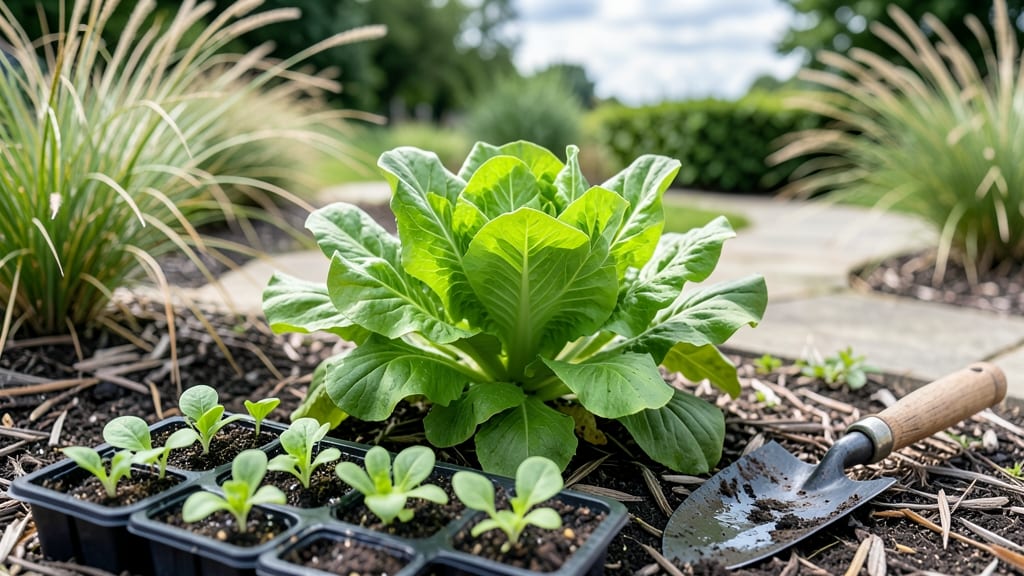
Planting vegetables in San Diego year-round means timing your crops to avoid the heat and dry spells that can turn a thriving garden into a wilted disappointment.
With no frost to worry about, you might think you can plant anytime—but coastal fog, inland heat, and sudden Santa Ana winds create microclimates where a single month can make or break your harvest.
Whether you’re growing 🥬 lettuce in winter or tomatoes in spring, the key is matching your planting window to your neighborhood’s unique conditions. I’ll break down the exact schedule for coastal, inland, and valley zones so you can avoid the common mistakes that leave gardeners scratching their heads.
You’ll discover how to stretch your growing season, which crops thrive in each month, and the simple soil and water tricks that keep your vegetables producing all year—without the guesswork.
San Diego’s 5 planting zones: when to start seeds vs. transplants by microclimate
San Diego’s diverse geography creates 5 distinct planting zones with unique microclimates—from foggy coastal areas to hot inland valleys. These differences mean your tomato seeds might thrive in March in one neighborhood but need to wait until May just 20 miles away.
Understanding your zone’s last frost date (which varies from never to rare December chills) and heat tolerance thresholds (like 90°F+ for peppers) is the key to avoiding bolted lettuce or stunted squash.
Coastal areas like La Jolla and Del Mar enjoy mild winters with cooler summers, while inland zones like Escondido and Valley Center experience hotter, drier conditions. The San Diego County USDA zones 10a-11b mask these microclimate extremes—so don’t rely on broad guidelines.
Below, I’ll break down the exact planting windows for cool-season crops (like kale and carrots) versus warm-season crops (like eggplant and okra) for each zone, plus when to start seeds indoors versus transplant seedlings.
For cool-season crops, coastal gardeners can start lettuce seeds as late as November, while inland zones should aim for September to avoid summer heat. My best tip: Use shade cloth (30–50%) on coastal summer plantings to prevent bolting in heat-sensitive greens like spinach.
Inland areas, meanwhile, can push warm-season transplants like tomatoes into the ground by March, whereas coastal zones wait until April when soil temps hit 60°F+.
One common mistake? Assuming frost-free means no cold snaps. Even in Zone 11b, rare December frosts (like the 2007 event) can damage tender crops. Protect
Year-round vegetable planting calendar: what to grow each month in San Diego’s climate
San Diego’s Mediterranean climate lets you grow vegetables year-round, but timing is everything. Unlike northern climates, we don’t have to worry about frost—but we do need to account for heat spikes and coastal fog that can confuse even experienced gardeners.
The key? Planting cool-season crops in late summer/fall and warm-season crops in early spring or late winter.
Most leafy greens and root vegetables thrive when soil temperatures stay below 75°F, while tomatoes and peppers demand consistent warmth above 60°F. Below, I’ve broken down the best planting months for your garden, plus succession planting tips to keep your harvests flowing.
For coastal areas, delay warm-season crops like tomatoes and peppers until May to avoid coastal fog delays. Inland gardens can plant these 2-3 weeks earlier. Always check soil temperature with a thermometer—60°F+ is ideal for warm crops, while cool crops prefer 55-70°F.
Pro tip: Use shade cloth in summer to protect leafy greens from bolting. For succession planting, sow fast-growing crops like radishes or bush beans every 2-3 weeks to ensure a steady supply. With this schedule, you’ll enjoy homegrown veggies every month—no grocery store required!
🌱