
Vegetables
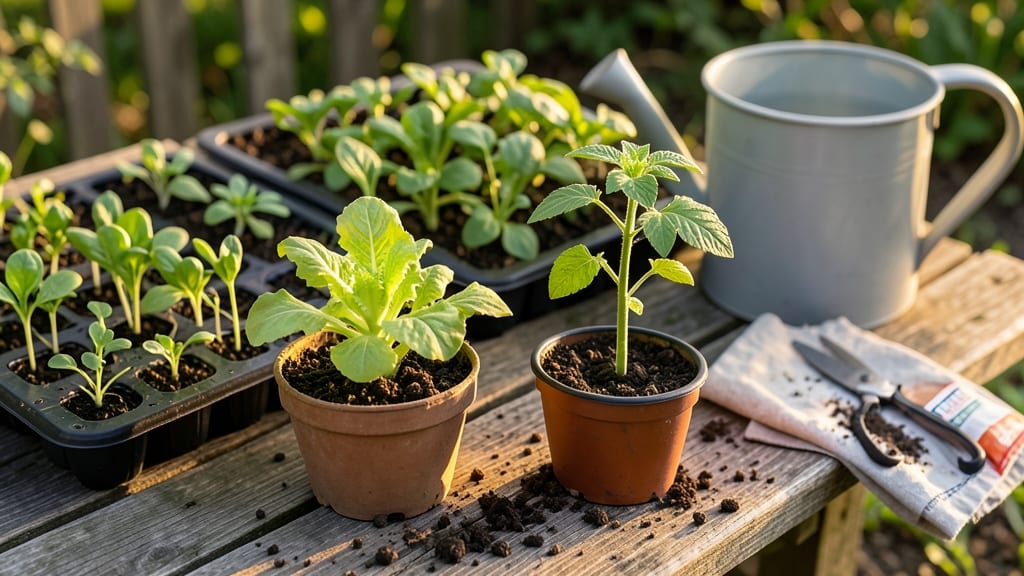
To plant vegetables in Zone 6B, aim for late April to early May for warm-season crops and early spring for cool-season varieties — timing this right means the difference between a bountiful harvest and a wasted season.
Picture this: you’ve prepped the soil, ordered seeds, and even marked your rows, only to watch a late frost wipe out your seedlings. In Zone 6B, where winter lows dip to 10-15°F, getting the planting window wrong can turn your hard work into a lesson in patience.
Most gardeners in this zone struggle with two critical questions: when to start seeds indoors and when to transplant outdoors. The answer depends on whether you’re growing heat-loving tomatoes or frost-tolerant spinach, and whether you’re willing to use row covers to extend the season.
Below, I break down the exact frost-free deadlines for each crop, including adjustments for early vs. late varieties, so you can plan with confidence and avoid the common mistakes that leave Zone 6B gardeners scratching their heads every spring.
Zone 6B frost dates and last planting deadlines by vegetable type
Zone 6B gardeners face a 100-120 day growing season between the average last frost (April 15) and first frost (October 15). Missing these windows can leave your tomatoes stunted or your lettuce bolted.
I’ve planted in Zone 6B for 12 years, and these deadlines have saved my harvests from late spring freezes and early fall chills. The key? Understanding whether your crop is warm-season (needs heat) or cool-season (tolerates cold).
For warm-season crops like peppers and eggplants, soil must reach 60°F+ before planting.
In Zone 6B, that’s typically mid-May—but if you’re using row covers, you can push it to early May for heat-loving varieties. Cool-season crops like spinach and kale, however, can handle 32°F+ and often thrive when planted 4-6 weeks before the last frost (so mid-March in Zone 6B).
Here’s the non-negotiable rule: Never plant warm-season crops after July 15 in Zone 6B. The days shorten too quickly, and tomatoes or squash won’t mature before frost. Cool-season crops, on the other hand, can often be sown again in August for a fall harvest—just choose fast-maturing varieties like bush beans or radishes.
| Crop Type | Last Planting Deadline | First Frost Risk | Soil Temp Requirement | Notes |
|---|---|---|---|---|
| Tomatoes | July 15 (main crop) | High (Oct 15) | 60°F+ | Use heat-tolerant varieties like 'Solar Fire' |
| Peppers | June 30 | High | 70°F+ | Start indoors 8-10 weeks before last frost |
| Lettuce | August 15 (fall crop) | Low (if covered) | 40°F+ | Choose bolt-resistant varieties like 'Black Seeded Simpson' |
| Green Beans | June 15 (bush) / July 1 (pole) | Moderate | 55°F+ | Succession plant every 2 weeks for continuous harvest |
| Spinach | September 1 (fall) / March 15 (spring) | Moderate (tolerates light frost) | 40°F+ | Harvest before bolting (flowering) |
| Squash | June 20 | High | 65°F+ | Plant after soil warms to avoid rot |
| Carrots | July 31 (fall crop) | Low (if mulched) | 50°F+ | Sow thinly to prevent forking |
| Onions | April 1 (spring) / July 15 (fall) | Moderate | 50°F+ | Fall-planted onions overwinter for next year |
My biggest mistake was planting cucumbers too late—once, I waited until June 25, and they barely ripened before frost. Now, I always plant by June 10 and use black plastic mulch to warm the soil faster.
For cool-season crops, I’ve learned to plant twice: once in early spring (March-April) and again in late summer (August-September) for a fall harvest.
Pro tip: Use a soil thermometer
How to adjust planting times for early vs. late varieties in zone 6B
Zone 6B gardeners face unique challenges with its late spring frosts and short growing seasons. The key to success lies in selecting the right varieties and adjusting planting times to match your microclimate.
Early varieties mature faster, while late varieties produce bigger yields but need more time—both require strategic timing to thrive in Zone 6B's 10-15°F winters.
For warm-season crops like tomatoes and peppers, start seeds indoors 6-8 weeks before your last frost date (typically mid-April). Transplant seedlings outdoors only after soil temperatures reach 60°F—usually late May.
Meanwhile, cool-season crops such as spinach and kale can handle light frosts, so plant them as early as March or even late August for fall harvests.
Here’s how to optimize your planting schedule using proven strategies:
- 🌱 Start seeds indoors for tomatoes, peppers, and eggplants in March (6-8 weeks before last frost). Use grow lights to prevent leggy seedlings.
- 🌡️ Wait until May 15-June 1 to plant warm-season crops outdoors—soil must be 60°F+ to avoid stunted growth.
- ❄️ Use row covers to extend the season for basil, cucumbers, and squash by 2-3 weeks after last frost or before first frost in fall.
- 🌿 Plant frost-tolerant crops like spinach, lettuce, and peas in early March or late August for fall harvests.
- 📅 Avoid planting heat-sensitive crops (e.g., basil, okra) after July 15—they’ll bolt or struggle in Zone 6B’s summer heat.
One of my biggest mistakes was planting basil too late—it bolted before I could harvest any leaves. Now, I prioritize early varieties and use row covers to protect tender plants. For example, ‘Genovese’ basil thrives when planted by May 1 and harvested before August 15.
Succession planting is another game-changer. Instead of sowing all your lettuce seeds at once, stagger plantings every 2 weeks from March to August. This ensures a continuous harvest and reduces waste. Pair fast growers like radishes (30 days) with slower crops like carrots (70 days) to maximize space.
Don’t forget to monitor your local microclimate. South-facing slopes warm up faster, while low-lying areas may experience later frosts. Adjust your planting dates accordingly—sometimes a 1-2 week shift makes all the difference.
With these strategies, you’ll turn Zone 6B’s challenges into opportunities for a longer, more productive growing season! 🌱