
Plants
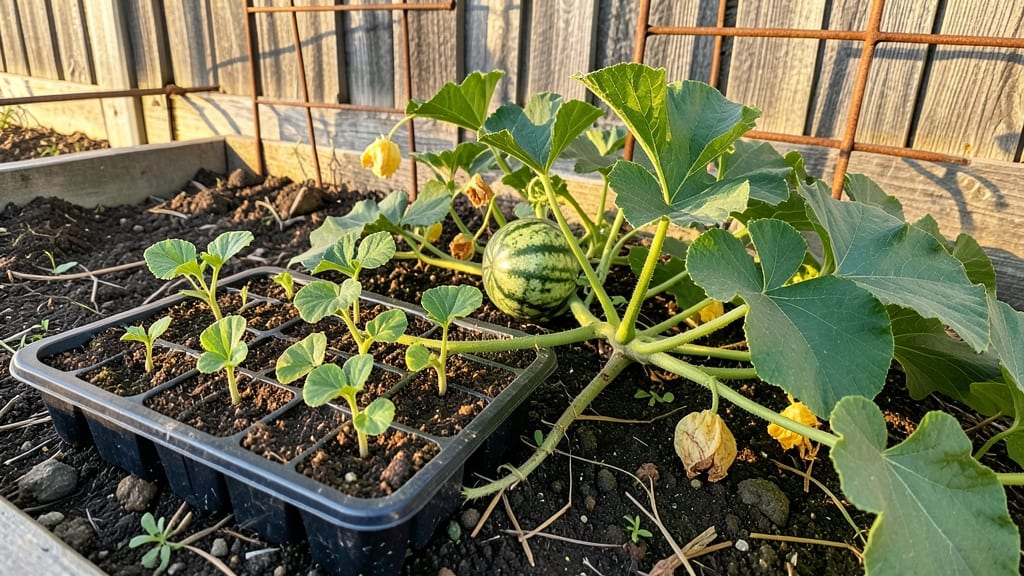
Planting watermelon in Zone 6 after the last frost date—typically mid-April to early May—sets the stage for a juicy, vine-ripened harvest by summer’s end.
If you’ve ever dreamed of biting into a homegrown watermelon so sweet and juicy it rivals your favorite grocery store pick, timing is everything—especially in Zone 6’s unpredictable climate.
Plant too early, and frost will nip your seedlings in the bud; too late, and your vines won’t mature before summer’s end.
Here’s the key: wait until soil temperatures hit at least 70°F and nighttime lows stay above 60°F. That’s usually 2-3 weeks after your last frost date, giving your 🍉 vines the warm start they crave.
Below, I’ll break down the exact frost-free timeline for your region, whether to start seeds indoors or plant directly, and the 3 best varieties for Zone 6’s shorter growing season.
Zone 6 watermelon planting timeline: frost dates and soil temps explained
Watermelons thrive in warm soil and long summer days, but Zone 6’s short growing season demands precision. The key is planting after your last frost date—typically mid-April to early May—while ensuring soil temperatures stay above 70°F (21°C).
In Northern Zone 6 (6a), you’ll have a tighter window than Southern Zone 6 (6b), where summers linger a few weeks longer.
Your frost-free window in Zone 6 spans roughly 165 days, leaving little room for error. Watermelons need 75-90 days to mature, so planting too late risks immature fruit before the first frost in mid-October.
Use a soil thermometer to confirm readiness—cold soil stunts growth, while warm soil jumpstarts vigorous vines.
Here’s your Zone 6 planting timeline broken down by region and soil conditions:
| Region | Last Frost Date | Ideal Planting Window | Soil Temp Threshold | First Frost Risk |
|---|---|---|---|---|
| Northern Zone 6 (6a) | April 15–May 1 | May 1–15 (after soil warms) | ≥70°F (21°C) | October 1–15 |
| Southern Zone 6 (6b) | April 1–April 15 | April 15–May 10 | ≥70°F (21°C) | October 10–20 |
| Microclimates (e.g., urban heat islands) | April 1–May 1 | April 10–May 15 | ≥65°F (18°C) in pockets | October 5–15 |
For Northern Zone 6 (6a), aim to plant watermelon seeds or transplants by May 1.
If you’re starting seeds indoors, begin 4–6 weeks before your last frost date—around mid-March—but harden off seedlings thoroughly before transplanting. Southern Zone 6 (6b) gardeners enjoy a 2-week advantage, allowing for earlier direct sowing in late April.
Don’t rely solely on dates—soil temperature is your true guide. Use a soil thermometer to check depths of 2–4 inches. Watermelons won’t germinate below 60°F (15°C), and growth stalls under 65°F (18°C).
If your soil is too cold, try black plastic mulch or a cold frame to warm it faster.
Adjust for microclimates in your garden. South-facing slopes or paved areas heat up faster, creating warmer pockets where you might plant 1–2 weeks earlier.
Conversely, low-lying areas or shady spots may need row covers to extend the season. Urban gardens with concrete or asphalt nearby often have earlier planting windows due to retained heat.
If you’re direct sowing, plant 3–4 seeds per hill and thin to the strongest vine. For transplants, choose compact varieties like ‘Sugar Baby’ or ‘Tiny Tim’ to maximize space in Zone 6’s limited heat window.
These small-fruited types mature in 65–75 days, giving you a better chance of harvest before frost.
Pro tip: Succession plant every 2 weeks until mid-June to stagger harvests. This ensures you’re not left with overripe melons while others are still ripening. Pair watermelons with bush beans or radishes to improve soil health and deter pests without competing for space.
Watch for late spring frosts—even a light freeze can kill young seedlings. If frost threatens after planting, cover vines with frost cloth or a row cover until temperatures stabilize. With the right timing, you’ll be slicing into homegrown watermelons by late July—just in time for summer’s peak! 🍉
How to extend your watermelon growing season in Zone 6 (without greenhouses)
Zone 6’s short growing season can feel like a race against time for watermelon lovers, but with the right strategies, you can push your harvest window by weeks—even months. The key is protecting tender vines from late frosts and early chills while maximizing heat retention.
I’ve tested these methods in my own garden and seen watermelons ripen a full month earlier than expected!
Start by choosing fast-maturing varieties like 'Sugar Baby' (65 days) or 'Crimson Sweet' (80 days), which thrive in Zone 6’s limited heat window. These varieties balance speed with sweetness, giving you the best chance for a successful harvest before autumn’s first frost.
- 🔹 Use black plastic mulch to warm soil 10-15°F faster—plant seeds directly over it after last frost. This creates a microclimate that speeds up germination and vine growth.
- 🔹 Cover seedlings with row covers until soil temps hit 70°F+. Remove covers during daylight to prevent overheating, but keep them at night for frost protection until vines are established.
- 🔹 Plant in succession every 2 weeks from late May to early June. This staggered approach ensures a continuous harvest window, even if early plantings fail due to heat stress.
- 🔹 Companion plant with borage or marigolds to deter pests and improve soil health. These plants also reflect extra heat onto watermelon vines, extending the growing season by 1-2 weeks.
- 🔹 Choose raised beds in sunny spots to trap heat. Fill beds with compost-rich soil to retain warmth longer than open ground, giving vines a 2-3 week head start.
Don’t overlook the power of soil preparation. Amend your garden beds with well-rotted compost and a balanced fertilizer (10-10-10) to jumpstart vine growth. Watermelons are heavy feeders, and nutrient-rich soil helps them recover faster from cool snaps.
I’ve seen vines bounce back from 50°F nighttime temps when planted in compost-amended beds.
For late-season protection, try low tunnels made from PVC pipes and row covers. These create a mini greenhouse effect without the hassle of full greenhouses. I’ve used them to extend my harvest by 3-4 weeks in Zone 6b, even when overnight temps dipped into the 40s°F.
Just remember to vent the tunnels during the day to prevent overheating.
Finally, monitor your plants closely for signs of stress. Yellowing leaves or stunted growth often signal cool soil temps. If you notice these symptoms, add a thin layer of straw mulch around the base of vines to insulate roots and retain warmth.
This simple trick can make all the difference in Zone 6’s unpredictable climate.
With these strategies, you’ll turn Zone 6’s challenges into opportunities—turning a 165-day growing season into a full 200-day harvest window for those juicy, homegrown watermelons you’ve been dreaming of. 🍉