
Plants
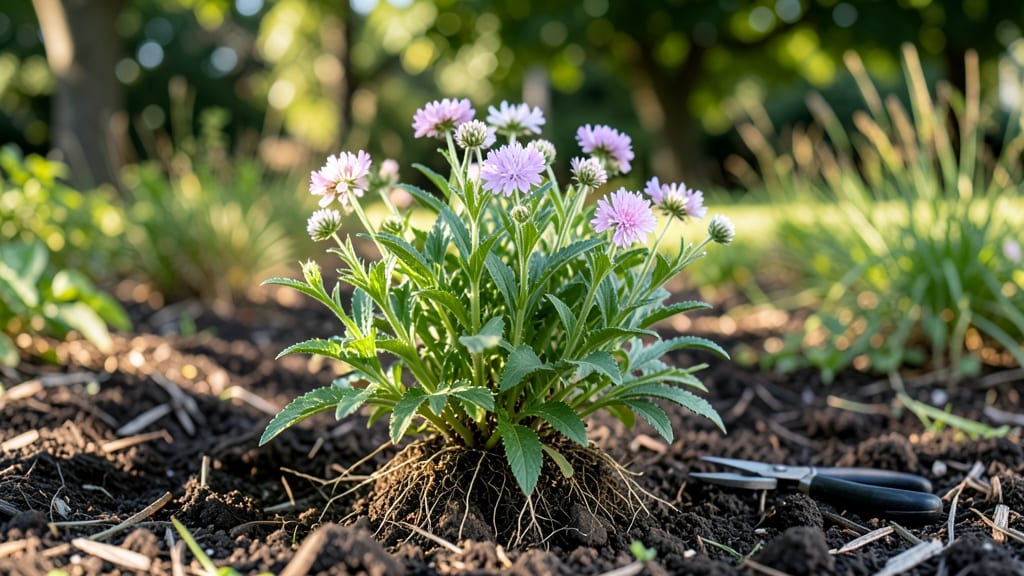
To plant wildflower seeds in Maine, aim for late summer to early fall — when soil stays warm enough to germinate but before the first frost arrives.
Maine’s unpredictable spring weather can turn wildflower gardening into a gamble—unless you plant at the perfect time for your specific hardiness zone. Get the timing wrong, and your seeds may rot in cold soil; nail it, and you’ll enjoy vibrant blooms for years with minimal effort.
Most Maine gardeners (in zones 5-6) have two ideal windows: late August through September for fall planting, or early May after the last frost.
The key is soil temperature—wait until it hits at least 50°F for 7 days straight—and choosing seeds suited to your microclimate, whether coastal or inland.
Below, I’ll break down the exact frost dates by region, the best seed varieties for Maine’s short season, and how to prep your soil for reliable germination—so you can skip the guesswork and enjoy 🌼 blooms from June through August.
Maine’s best wildflower planting windows by hardiness Zone (including frost dates)
Maine’s hardiness zones 3-5 create unique challenges for wildflower gardeners. The last spring frost can arrive as early as May 1 in coastal areas or as late as June 15 inland, while first fall frosts range from September 15 to October 15.
Understanding these windows ensures your wildflower seeds germinate at the right time for robust growth.
Most Maine wildflowers thrive when planted during two optimal windows: late summer (August) for fall blooms or early spring (April-May) before weeds take over. However, soil temperatures must reach at least 50°F (10°C) for successful germination. Let’s break down the best planting times by zone to maximize your success.
🌱 Pro Tip: Always test soil temperature with a thermometer before planting. Seeds planted in cold soil below 45°F (7°C) risk rotting instead of sprouting.
| Zone | Last Spring Frost | First Fall Frost | Ideal Planting Window | Soil Temp Threshold | Best Wildflower Picks |
|---|---|---|---|---|---|
| Zone 3 (Northern Maine) | June 1-15 | September 15-October 1 | Late August-September or April-May | 50°F (10°C) minimum | Black-eyed Susan, Purple Coneflower, Yarrow |
| Zone 4 (Central Maine) | May 15-June 1 | September 1-October 10 | Mid-August-September or April-May | 50°F (10°C) minimum | Coreopsis, Bee Balm, Goldenrod |
| Zone 5 (Southern Maine) | May 1-May 15 | October 1-October 15 | Late July-September or March-April | 45°F (7°C) minimum | Butterfly Weed, Phlox, Milkweed |
🌼 Note: Coastal areas in Zone 5 may have 2-3 weeks earlier frost dates than inland regions.
For Zone 3 gardeners in northern Maine, focus on late summer planting (August-September) to ensure seeds establish roots before winter.
These areas have the shortest growing season, so choose fast-germinating varieties like Black-eyed Susan or Yarrow, which can sprout in as few as 7-14 days when soil temperatures are ideal.
In Zone 4, both spring (April-May) and fall (August-September) planting work well. Spring planting gives flowers a head start, while fall planting takes advantage of cooler temperatures and reduced weed competition.
Aim to plant 4-6 weeks before the first expected frost to allow seeds to germinate and develop small roots before winter.
🌿 Key Insight: Soil temperature matters more than air temperature. Use a soil thermometer to confirm conditions—50°F (10°C) is the magic number for most Maine wildflower seeds. If your soil is colder, wait 1-2 weeks or use a black plastic mulch to warm it faster.
Southern Maine’s Zone 5 offers the most flexibility, with March-April and July-September both viable windows. Early spring planting in Zone 5 lets you take advantage of longer daylight hours, while late summer planting ensures fall blooms before winter sets in.
Native species like Butterfly Weed and Milkweed thrive here and attract pollinators all season.
Regardless of your zone, always prepare your soil before planting. Loosen the top 2-3 inches of soil with a rake or tiller, remove weeds, and mix in compost to improve drainage. Lightly scratch the soil surface after sowing seeds—this ensures good seed-to-soil contact without burying them too deep.
After planting, water gently but thoroughly to settle seeds into the soil. Avoid overwatering, which can wash seeds away or cause rot. Once established, most Maine wildflowers are drought-tolerant, but young seedlings need consistent moisture to prevent stress.
Finally, consider succession planting in late summer to extend your blooms into fall. Scatter a small batch of seeds in August for late-season color—just be sure to choose varieties that won’t reseed aggressively, like Goldenrod or Aster
How to adjust planting timing for Maine’s microclimates (coastal vs. inland)
Maine’s coastal regions and inland areas create wildly different growing conditions, forcing gardeners to adapt planting strategies or risk failed blooms. Coastal zones near the ocean enjoy warmer temperatures and lower frost risks, while inland spots face earlier freezes and drier soils.
Even within 50 miles, your wildflower seeds may need a 2-3 week timing shift—here’s how to get it right.
If you live near Maine’s coast (think Bar Harbor or Portland), you can push planting 2 weeks later than inland areas. Salt-tolerant species like sea lavender and beach grass thrive here, but even inland wildflowers benefit from the extended growing season.
Inland gardeners, however, must plant earlier to beat the October frosts that can kill tender seedlings.
Rocky terrain near the coast demands well-draining soil mixes with sand and peat moss, while inland boggy areas need raised beds or compost amendments to prevent waterlogging. Urban gardens in Bangor or Augusta face heat islands that dry out soil faster—mulch heavily to retain moisture.
These microclimate tweaks can mean the difference between wildflower meadows and brown patches.
Coastal Planting Adjustments
Pros
- ✅ Later planting (Aug-Sept) works for salt-tolerant species
- ✅ Warmer soil speeds germination
- ✅ Longer growing season extends bloom time
Cons
- ❌ Salt spray can damage tender seedlings
- ❌ Wind exposure requires protective barriers
- ❌ Limited species tolerate coastal conditions
Inland Planting Adjustments
Pros
- ✅ Earlier planting (May-June) avoids late frosts
- ✅ More species options thrive in drier soils
- ✅ Less wind damage for delicate blooms
Cons
- ❌ Shorter growing season limits late bloomers
- ❌ Drier soils need frequent watering
- ❌ Earlier frosts risk killing seedlings
To assess your microclimate, check 3 key factors: soil temperature (use a soil thermometer), frost dates from your local cooperative extension office, and wind exposure. Coastal areas often see 5-10°F warmer soil temps than inland spots—plant accordingly.
For rocky soils, mix in compost and perlite to improve drainage, while boggy areas benefit from gravel trenches for excess water.
Urban gardens in Maine’s cities face unique challenges like heat islands and compacted soil. Test your soil’s pH (aim for 6.0-7.0) and amend with organic matter if needed.
Coastal wildflowers like beach heather and sea thrift can handle salt, but inland varieties such as black-eyed Susans and purple coneflowers prefer well-drained soils. Adjust your seed mix based on these conditions for the best results.
Pro tip: Use a planting calendar tailored to your microclimate. Coastal gardeners can plant wildflower seeds until September 15th, while inland areas should finish by August 15th to avoid frost damage.
Always lightly rake seeds into soil (¼ inch deep) and keep the area moist but not soggy until germination. With these adjustments, your wildflower meadow will thrive regardless of Maine’s coastal or inland challenges.