
Flowers
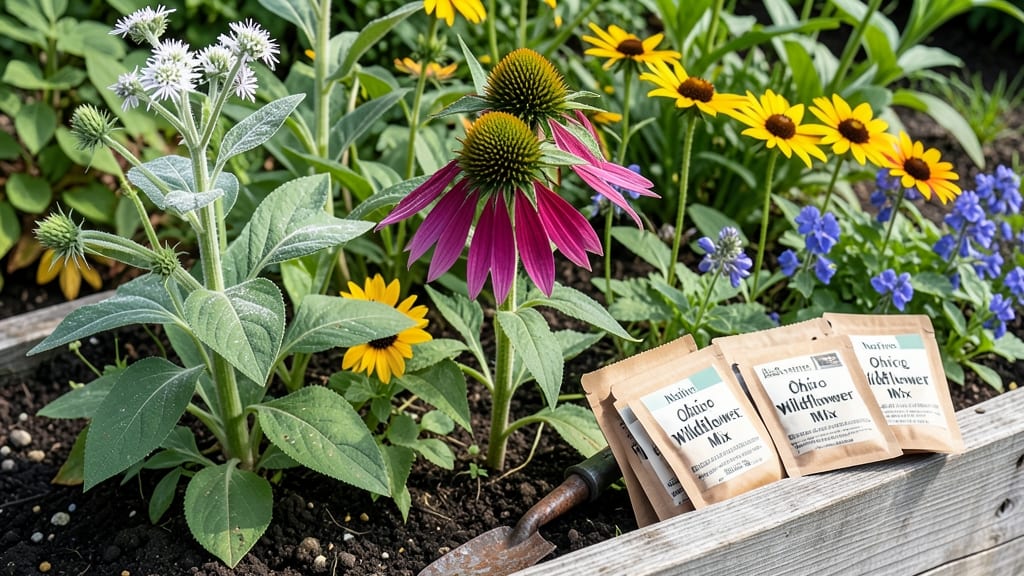
Planting wildflowers in Ohio at the right time ensures vibrant blooms from spring to fall 🌼 — aim for early spring or early fall, when soil temperatures and moisture align perfectly for germination.
Ohio’s diverse microclimates mean wildflower planting deadlines can vary by over 6 weeks—plant too early or late, and your meadow might flop. Here’s the exact timing you need to ensure vibrant blooms from spring to fall, tailored to Ohio’s 12 growing zones.
Spring planting kicks off in March for southern Ohio and stretches into April in the northern regions, while fall planting works best from September to October. The key is avoiding frost while giving seeds time to establish before winter sets in.
Below, I’ll break down zone-specific deadlines, the best native species for your timeline, and soil prep tips to guarantee a thriving wildflower meadow that attracts pollinators all season long.
Ohio wildflower planting deadlines by growing Zone (spring vs fall)
Ohio’s 12 growing zones span from Zone 5b in the north to Zone 6b in the south, creating a patchwork of planting windows. The Lake Erie effect delays springs in northern regions by 2-3 weeks, while the Appalachian foothills can experience earlier frost.
To avoid seedling stress, timing is everything—especially for perennials that need deep root establishment.
For spring planting, aim to sow seeds 2-4 weeks before your last frost date. Soil temperatures should reach 50°F (10°C) for most wildflowers to germinate.
In Zone 5b, this typically means late March to early April, while Zone 6b gardeners can start as early as mid-March. Fall planting, however, requires seeds to germinate 4-6 weeks before first frost.
Here’s your zone-by-zone breakdown for Ohio wildflower planting, including soil temperature thresholds and microclimate adjustments:
Annual wildflowers like Cosmos or Zinnias can handle later spring plantings, but perennials such as Coneflower or Black-Eyed Susan need those early windows to establish roots. For fall planting, prioritize slow-germinating seeds (like Milkweed) over fast ones (like Clovers) to avoid winter germination.
Use a soil thermometer to confirm readiness—most wildflower seeds need consistent warmth for 7+ days before sprouting. In Zone 5b, for example, a late-March planting might still face 20°F (–7°C) nights, which can kill tender seedlings. Mulch lightly with straw to protect new shoots without smothering them.
Ohio’s Appalachian regions often see earlier springs due to higher elevations, while Lake Erie’s coastal zones can experience delayed frost until mid-November. Adjust your deadlines by 1-2 weeks if you’re near large bodies of water or in urban areas with heat islands.
Always check your local Cooperative Extension Service
Best wildflower species for Ohio’s planting windows (fast-germinating vs slow)
Ohio gardeners know timing is everything when planting wildflowers. Some species like Black-Eyed Susan shoot up in just 7-10 days after spring planting, while others like Wild Bergamot take 3-4 weeks to emerge. Your planting window determines which species thrive best in your yard.
Fast germinators like Coreopsis are perfect for early spring sowing, while slower starters like Purple Coneflower benefit from fall planting to establish roots before winter.
For beginner-friendly wildflowers, focus on native Ohio species that adapt quickly to your soil and climate. These varieties require minimal care once established and attract pollinators like bees and butterflies.
Advanced gardeners might mix in drought-tolerant species like Butterfly Weed for late summer color. The key is matching your planting window to each species' germination speed and seasonal needs.
- 1. Black-Eyed Susan (7-10 days) – Full sun, drought-tolerant, golden blooms from summer to fall.
- 2. Coreopsis (Tickseed) (10-14 days) – Bright yellow flowers, thrives in poor soil, attracts butterflies.
- 3. Partridge Pea (14-21 days) – Pink and yellow blooms, nitrogen-fixing, great for urban gardens.
- 4. Purple Coneflower (3-4 weeks) – Pollinator magnet, medicinal benefits, thrives in partial shade.
- 5. Wild Bergamot (3-4 weeks) – Lavender blooms, deer-resistant, loves moist soil.
- 6. Butterfly Weed (21-28 days) – Orange flowers, milkweed for monarchs, drought-proof.
- 7. Eastern Red Columbine – Shade-tolerant, red and yellow flowers, hummingbird favorite.
- 8. Blue Vervain – Purple spikes, attracts bees, grows in wet areas.
If you're planting in early spring (March-April), prioritize fast-germinating species like Black-Eyed Susan and Coreopsis. These varieties emerge quickly when soil temperatures reach 50°F, giving them a head start before summer heat.
For fall planting (September-October), opt for slower germinators like Purple Coneflower or Wild Bergamot, which benefit from cooler temperatures and consistent moisture.
Ohio’s USDA Zones 5-6 mean you can extend your planting window slightly north of the state. In southern Ohio, you might plant Butterfly Weed as early as February under row covers, while northern regions should wait until mid-April.
Always check your last frost date—planting too early risks frost damage to tender seedlings. For pollinator gardens, mix fast and slow germinators to ensure continuous blooms from spring to fall.
Pro tip: Scratch wildflower seeds into well-prepared soil (loosened top 6 inches) and lightly cover with 1/4 inch of compost. Water gently but deeply to avoid washing seeds away.
Fast germinators like Partridge Pea may need weekly watering until established, while slower species like Wild Bergamot prefer bi-weekly deep watering once roots develop. Mulch lightly with straw to retain moisture and suppress weeds.
For advanced pollinator mixes, combine 3-5 species with varying bloom times. Pair early spring bloomers like Eastern Red Columbine with summer favorites like Purple Coneflower and late-season stars like Goldenrod.
This ensures your garden stays vibrant and supports pollinators throughout the entire growing season. Just remember: native species always outperform non-native varieties for Ohio’s ecosystem.