
Plants
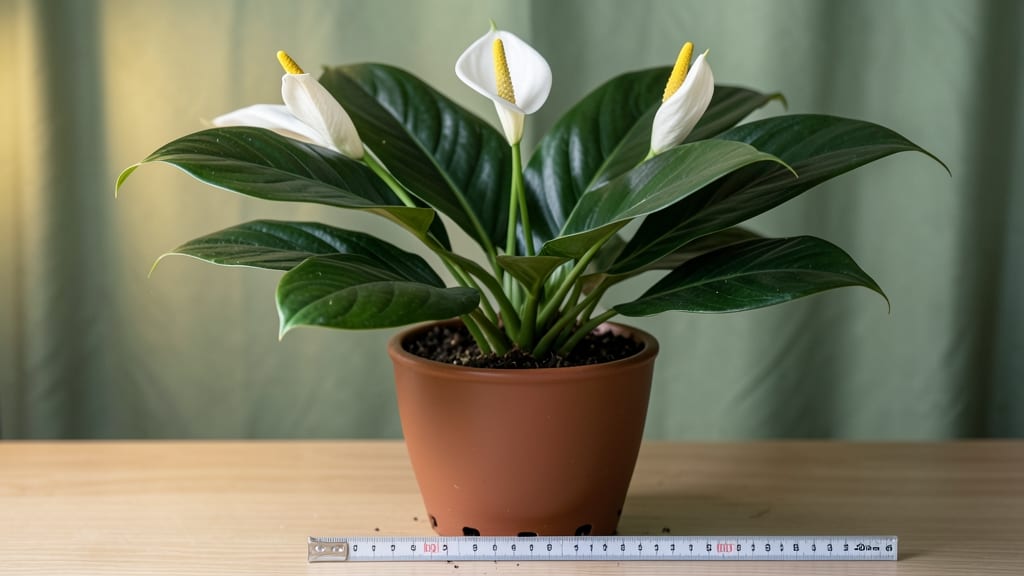
A peace lily plant needs between 2 and 4 hours of bright, indirect light daily to thrive—far less than you might expect for a houseplant.
Struggling to keep your peace lily alive? The secret might be simpler than you think—this low-maintenance plant thrives in conditions most homes already provide, but getting the light just right makes all the difference.
Too little light and it droops, yellows, or stops blooming. Too much direct sun, and those glossy leaves start crisping at the edges. The good news? Even a north-facing window or a dim corner can work, as long as you know the signs of stress.
Below, I’ll break down exactly how to spot the perfect spot in your home, adjust for seasonal changes, and fix common light-related problems—so your peace lily stays lush year-round.

Peace lily light requirements: ideal sunlight conditions for healthy growth
If you've ever wondered how much light does a peace lily plant need, you're not alone. This stunning houseplant is famous for thriving in conditions where others fail, but even peace lilies have their limits.
The key lies in understanding their bright indirect sunlight needs and avoiding harsh direct rays. With the right light, your peace lily will reward you with lush foliage and those iconic white blooms.
Peace lilies are one of the most low-light-tolerant plants available, making them perfect for dim offices or shaded corners. However, they still need some light to grow properly. The ideal scenario?
Placing your plant near a north-facing window where it receives gentle, filtered sunlight for about 2-4 hours daily. This balance prevents stress while encouraging healthy development.
The bright indirect sunlight spectrum is crucial for peace lilies. Think of it as the "goldilocks zone" of light—not too dim, not too harsh. A great test is to place your hand near your plant's leaves.
If the light feels warm but not scorching, it's likely the perfect spot. Avoid placing them in direct midday sun, which can cause leaf scorch and turn those beautiful leaves yellow or brown.
One common misconception is that peace lilies can thrive in complete darkness. While they tolerate low light better than most plants, prolonged darkness leads to weak growth and fewer blooms.
Look for signs like stretched or leggy stems or leaves that lose their vibrant green color—these are clear indicators your plant needs more light. Rotate your peace lily occasionally to ensure even growth and prevent it from leaning toward the light source.
Identifying the perfect spot in your home involves a bit of detective work. Start by observing which areas receive the most natural light throughout the day. East-facing windows are ideal because they provide gentle morning sunlight without the intensity of afternoon rays.
If you only have south or west-facing windows, position your peace lily at least 5-6 feet away to diffuse the light naturally.
Seasonal adjustments are also key. During winter months, when daylight is shorter, you might notice your peace lily slowing down. This is normal, but supplementing with a grow light for 6-8 hours daily can help maintain its health.
In contrast, summer's longer days might require you to move your plant further from windows to prevent leaf burn. Watch for crispy brown edges on leaves as a warning sign of too much light.
For outdoor gardeners, peace lilies can also thrive in shaded garden beds, especially in USDA Zone 6a or warmer. Choose locations with dappled shade, like under tall trees where sunlight filters through leaves.
Mulch the soil to retain moisture, as peace lilies prefer consistently damp (but not soggy) conditions. In containers, ensure drainage holes are present to prevent root rot, a common issue when light and water needs aren't balanced.
Remember, peace lilies communicate their light needs through their leaves. Yellowing leaves often signal too much light, while dark green, almost black leaves with sparse blooms indicate insufficient light.
By paying attention to these cues and making small adjustments, you'll create the perfect environment for your peace lily to flourish year-round.
With the right light conditions, your peace lily will not only survive but thrive, becoming a stunning centerpiece in your home or garden. The secret is patience and observation—once you find that sweet spot, your plant will thank you with vibrant growth and beautiful blooms that can last for weeks.
How to adjust light for peace lilies in different rooms (with visual guide)
Peace lilies are famous for thriving in low-light spaces, but not all rooms offer the same conditions. The key is finding the right balance—too little light causes drooping, while direct sun can scorch leaves.
Let’s break down how to optimize light in every room of your home, from bathrooms to sunrooms, with simple adjustments you can make today.
Start by identifying your home’s natural light sources. North-facing windows provide gentle, consistent light—ideal for peace lilies—while south-facing windows can deliver harsh afternoon rays. Even artificial lighting, like LED bulbs, can supplement your plant’s needs if placed strategically. The goal is to mimic their native shady, humid understory environment.
⚠️ CRITICAL INSIGHT: Peace lilies tolerate 20-50% light, but their ideal range is 2-4 hours of indirect light daily. Most homes already have spots that fit this perfectly—you just need to know where to look.
For bathrooms, leverage the humidity to your advantage—peace lilies love the moist air. Place your plant on a shower ledge or vanity where it gets 2-3 hours of dappled light.
If leaves start yellowing, it’s a sign of too much light—move it further back or add a sheer curtain.
In kitchens with south or west windows, direct sunlight can cause brown leaf tips. The fix? Drape a light-colored sheer curtain to diffuse the rays. Rotate your peace lily weekly so all sides get even exposure.
If your kitchen lacks natural light, a 10-watt LED bulb on a timer mimics daylight perfectly.
North-facing rooms are peace lily paradises—they offer consistent, gentle light without the risk of sunburn. Position your plant 2-3 feet from the window and supplement with a humidifier if your home’s air feels dry.
This setup keeps your plant thriving with minimal effort, making it perfect for living rooms or home offices.
If your peace lily lives in a windowless room, don’t despair. A grow light on a 6-8 hour timer can replace natural sunlight. Opt for a full-spectrum LED bulb and keep it 6-12 inches above the plant.
Monitor soil moisture closely—artificial light can dry out potting mix faster than you’d expect.