
How To
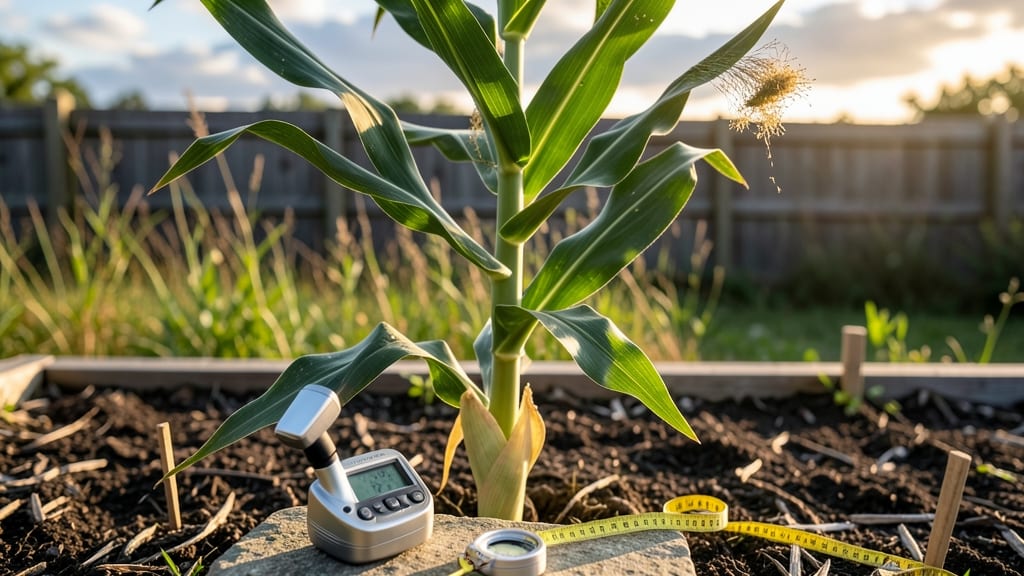
Did you know how much light does corn plant need to thrive? The golden rule is 6 to 8 hours of direct sunlight daily for lush stalks and plump ears 🌽.
Struggling to keep your corn plant thriving? Light exposure is the #1 factor determining whether your plant grows lush or leggy—here’s the exact sunlight guide you need to avoid common mistakes.
Corn plants in USDA Zone 6a (like most of the Midwest) thrive in full sun, but too little light leads to weak stalks and poor ear development. Even partial shade can reduce yields by 30%, so placement matters.
Below, I’ll break down how to position your corn for maximum sun, spot signs of light deprivation, and even share tricks for supplementing sunlight if your garden isn’t sunny enough.

Ideal light requirements for corn plants: direct vs indirect sun breakdown
Corn plants are sun worshippers—they crave 6 to 8 hours of direct sunlight daily to produce those sweet, plump ears we all love. Without enough light, your corn will grow tall and leggy with poor ear development, leaving you with sad, underdeveloped harvests.
Understanding the difference between direct and indirect sunlight is key to giving your corn the perfect growing conditions.
Direct sunlight means unfiltered rays hitting the plant surface for most of the day, while indirect light is softer, diffused rays (like those under a sheer curtain). Corn thrives in full sun exposure, but even a few hours of shade can reduce ear size and quality.
Many gardeners mistakenly think corn can handle partial shade, but this leads to weak stalks and poor yields.
🌽 Did You Know? Corn plants actually follow the sun throughout the day—a behavior called heliotropism. Young plants bend toward the morning sun, while mature plants track it across the sky. This natural movement helps maximize energy absorption, but it also means they need consistent, unobstructed sunlight to thrive.
Seasonal adjustments are crucial—corn planted in early spring or late summer may need extra care. If you're in a northern climate with shorter days, start seeds indoors under grow lights 4-6 weeks before the last frost.
For southern gardens, afternoon shade cloth can protect tender young plants from intense midday heat while still allowing plenty of light.
One of the biggest myths about corn is that "too much sun will burn the leaves". While extreme heat without water can scorch foliage, corn's thick leaves are designed to handle full sun exposure.
The real danger comes from underwatering in hot conditions, which causes stress. Always ensure your soil stays consistently moist during peak sunlight hours.
For container-grown corn, place pots on patio surfaces that reflect sunlight (like light-colored concrete or gravel) to maximize exposure. If your balcony only gets morning sun, consider a rotating plant stand to follow the sun's path.
Even a few extra hours of light can make a dramatic difference in ear size and quality.
Pro tip: Monitor your corn's leaf angle—healthy plants will have leaves angled 45-60 degrees from vertical. Leaves pointing straight up or flat against the stalk are signs of light deprivation. Adjust placement immediately to prevent permanent damage to the plant's structure.
In my own garden, I've learned that microclimates matter. A spot that seems sunny might have 3 hours of shade from a tree or fence that you didn't notice.
Always test your garden's light conditions for at least a week before planting corn—use a light meter app or simply observe how shadows move throughout the day.
Remember, corn won't tolerate shade for long. Even if your plant survives in partial light, it won't produce ears worth harvesting.
If you're committed to growing corn in a shady spot, consider dwarf varieties like 'Golden Bantam'—they're more shade-tolerant but still need at least 4 hours of direct sun daily for decent yields.
Signs your corn plant isn’t getting enough light (and how to fix it)
If your corn stalks are stretching toward the sky like they're reaching for a high-five, or the leaves are turning pale and sparse, your plant is crying out for more light. Corn is a sun-worshipper, and when it doesn’t get enough, it shows in dramatic ways.
I’ve seen leggy corn plants in my own garden, and trust me—it’s not pretty. The good news? Recognizing these signs early means you can fix the problem before your harvest suffers.
One of the first visual red flags is yellowing leaves, especially on the lower stalks. This isn’t just old leaves falling off—it’s a sign your corn isn’t getting the 6-8 hours of direct sunlight it craves daily.
Another clue? Thin, weak stalks that wobble in the breeze. Healthy corn should stand tall and sturdy, not bend like a reed. If your plant looks like it’s performing in a wind tunnel, it’s time to move it.
🌽
Your corn plant requires at least 6 hours of direct sunlight daily. Without it, you’ll see stunted growth, poor ear development, and weak stalks. Even bright indirect light won’t cut it—corn is a full-sun lover and won’t thrive in shade or low-light spots.
For outdoor corn, the fix is simple: relocate your plants to the sunniest spot in your garden. If you’re growing in containers, move them to a south-facing area where they’ll get the most sunlight.
I once had a container of corn near a shady fence, and the stalks were barely knee-high by harvest time. Once I moved them to full sun, they shot up like rockets!
If you’re growing corn indoors, your options are more limited, but not impossible. A south-facing window is your best bet, but even then, you’ll likely need to supplement with a grow light.
LED grow lights are a game-changer—they mimic sunlight and can keep your corn happy even in a dim room. I use a 12-hour light cycle (on in the morning, off at night) to mimic natural daylight, and it’s made a world of difference.
Another trick? Rotate your plants quarter-turns every few days to ensure all sides get equal light. I’ve seen corn plants develop lopsided growth because they were always facing the same direction. It’s a small effort that pays off in straight, strong stalks and better ear production.
And if your corn is already struggling, don’t despair—just give it more light, and it’ll bounce back faster than you think.
Remember, corn won’t tolerate partial shade for long. If you’re in a region with short summer days, consider using reflective surfaces like white walls or mirrors to bounce extra light onto your plants.
It’s a hack I picked up from a fellow gardener, and it’s worked wonders in my low-light garden spots. Your corn will thank you with taller stalks and plump, sweet ears.