
How To
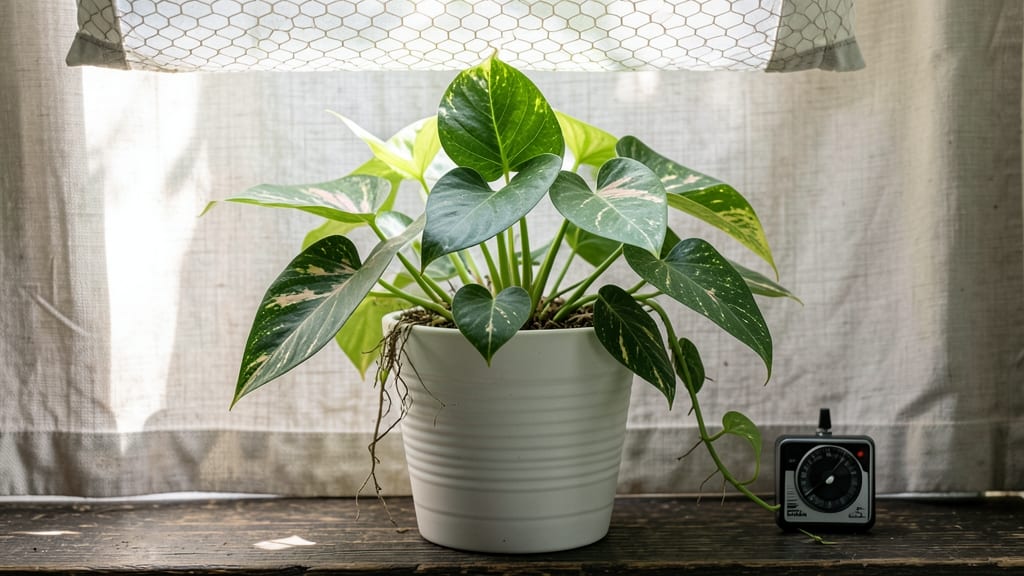
An arrowhead plant needs bright indirect light for 4 to 6 hours daily—too little and it stretches toward the window, too much and the leaves scorch.
Struggling to keep your arrowhead plant thriving? Light exposure is the #1 factor determining whether it grows lush or leggy—get it wrong, and you risk stunted leaves or brown tips.
Most homeowners assume direct sunlight is the goal, but this tropical beauty actually prefers filtered light, like an east-facing window or a sheer curtain over a south-facing one. Even a north window works if it’s bright enough.
Below, I’ll show you how to spot light issues early, adjust your setup for seasonal changes, and even pick the best artificial lights when natural light falls short.

Optimal light requirements for arrowhead plant growth
The arrowhead plant (Syngonium) thrives in bright indirect light, making it perfect for indoor gardeners with limited direct sunlight access. Unlike sun-loving plants, arrowheads despise harsh afternoon rays, which can scorch their delicate leaves.
Understanding their light needs is key to preventing common issues like yellowing leaves or stunted growth.
In my experience, the ideal light conditions for arrowhead plants fall between 1,000 to 2,000 foot-candles of light—similar to the brightness found beneath a sheer curtain or near an east-facing window.
This balance ensures vibrant foliage while avoiding stress from intense sunlight. Let’s break down exactly what your arrowhead needs to flourish.
| Light Condition | Foot-Candles | Ideal Locations | Plant Response |
|---|---|---|---|
| Bright Indirect Light | 1,000–2,000 fc | East-facing windows, north-facing windows, or 3–5 feet from a west-facing window | Vibrant green leaves, healthy growth, compact shape |
| Low Light | <500 fc | Bathrooms, hallways, or deep corners | Leggy growth, pale leaves, weak stems |
| Direct Morning Sun | 2,000–3,000 fc | South-facing windows (brief exposure only) | Possible leaf burn, crispy edges, but tolerable for short periods |
| Harsh Afternoon Sun | >3,000 fc | South/west windows without filters | Brown patches, wilting, leaf drop |
For indoor arrowhead plants, I recommend placing them near an east-facing window where they receive gentle morning sunlight without the risk of afternoon heat.
If your home lacks natural light, a north-facing window is the next best option, though you may need to rotate the plant every few weeks for even growth.
Seasonal adjustments are crucial. During spring and summer, arrowheads can handle slightly more light, but always avoid placing them in spots where leaves touch hot glass.
In winter, when natural light diminishes, supplement with a grow light if you notice the leaves stretching toward the window—a classic sign of light deficiency.
Pro tip: Test your plant’s light tolerance by observing its leaves. If the variegation fades or new growth appears dull green, it’s craving more brightness. Conversely, if leaves develop brown crispy spots, move it away from direct sun immediately.
The goal is to find that sweet spot where your arrowhead stays lush and vibrant year-round.
In my garden, I’ve found that rotating the plant quarterly ensures all sides receive equal light exposure, preventing lopsided growth. This simple habit makes a noticeable difference in the plant’s overall health and appearance. Pair this with bright indirect light, and you’ll have an arrowhead that thrives effortlessly.
If you’re unsure about your home’s light conditions, use a light meter app to measure foot-candles in potential spots. Aim for the 1,000–2,000 fc range—this is the magic zone for arrowhead plants to shine (literally!).
With the right light, your arrowhead will reward you with bold foliage and vigorous growth.
Remember, arrowhead plants are adaptable, but they hate extremes. Whether you’re dealing with dim office spaces or sunny conservatories, the key is moderation. By following these guidelines, you’ll create the perfect environment for your arrowhead to thrive—no guesswork required!
🌿
Signs your arrowhead plant isn’t getting enough light
If your arrowhead plant (Syngonium) is struggling, the first place to look is its light exposure. Unlike sun-loving plants, arrowheads thrive in bright indirect light—too little causes dramatic changes in its leaves and growth habits.
I’ve noticed that even subtle shifts in lighting can turn vibrant green foliage dull or cause leggy stems. The key is recognizing these visual cues early before they become permanent damage.
Start by examining the leaf color—healthy arrowhead leaves should be a rich, deep green. When light-starved, the leaves often develop a pale yellow or lime-green hue, especially on the undersides.
This happens because the plant stretches toward any available light, creating thinner leaves that can’t produce enough chlorophyll. Another red flag is purplish or reddish tinges on the undersides, which signal stress from insufficient light.
⚠️ callout warning ⚠️
Your arrowhead plant needs bright indirect light (4-6 hours daily). Without it, you’ll see:
- ✖️ Pale, yellowing leaves (chlorophyll loss)
- ✖️ Leggy, stretched stems (reaching for light)
- ✖️ Small, sparse new growth (stunted development)
Action: Move to an east-facing window or use a grow light 6-12 inches above for 12 hours daily.
Beyond color changes, watch for growth patterns. A light-deprived arrowhead will grow tall and spindly, with long distances between leaves. This "leggy" growth is the plant’s way of maximizing its surface area to catch whatever light it can.
You might also notice fewer new leaves or leaves that are significantly smaller than usual. In extreme cases, the stems can become weak and floppy, making the plant look sad and unkempt.
Another telltale sign is brown or crispy tips on older leaves, which often occur when the plant can’t maintain proper moisture balance due to weak growth. This happens because insufficient light reduces the plant’s ability to photosynthesize efficiently, leading to water stress.
If you see this, it’s a double warning: your arrowhead needs more light and possibly adjusted watering (reduce frequency slightly until the plant recovers).
To fix these issues, start by relocating your plant to a brighter spot, like an east-facing window where it can get morning sunlight without harsh afternoon rays. If your home lacks natural light, consider rotating the pot quarter-turns weekly to ensure even growth.
For severe cases, supplement with a LED grow light (12-14 hours daily) placed 6-12 inches above the plant. I’ve seen dramatic improvements in just 2-3 weeks after making these adjustments!
Remember, arrowhead plants are flexible but not drought-resistant. If you’ve moved it to a brighter spot, monitor soil moisture closely—it may dry out faster. Keep the soil lightly moist (about 1 inch deep) and avoid letting it sit in water.
With the right light and care, your arrowhead will bounce back with vibrant, arrow-shaped leaves in no time.