
Plants
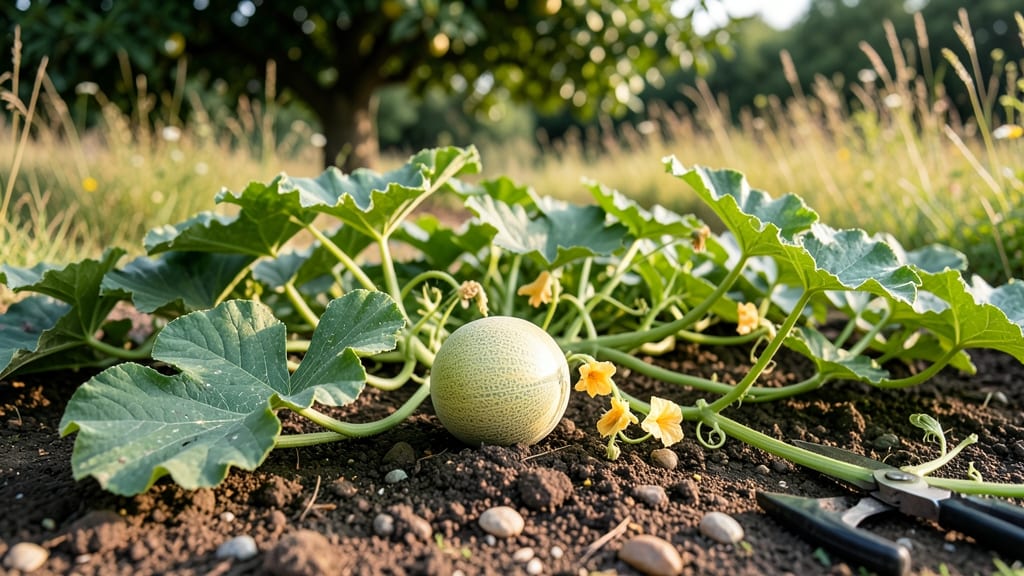
Wondering how tall do cantaloupe plants grow? They reach just 1 to 3 feet tall, but their sprawling vines—stretching 3 to 6 feet in every direction—are the real space hogs.
Wondering if your backyard has enough space for cantaloupe vines? These sprawling plants can reach surprising heights—and knowing their growth habits is key to maximizing your harvest without sacrificing garden real estate.
Most cantaloupes are vining types, meaning they’ll spread horizontally unless you guide them upward. Bush varieties (less common) stay more compact, but even those need room to breathe. Without proper spacing or support, you risk tangled vines, poor air circulation, and fewer fruits.
In this guide, I’ll break down how to plan your garden layout, when to trellis, and how to train vines without sacrificing yield—so you can grow sweet, healthy cantaloupes even in smaller spaces.


Cantaloupe vine growth: average height, spread & mature size explained
When planning your garden layout, understanding cantaloupe vine growth is essential—these plants don’t just grow upward but spread aggressively. Most cantaloupe varieties reach a mature height of 1-3 feet, but their vine spread can extend 3-6 feet or more.
This sprawling habit makes proper spacing and support critical for a successful harvest.
Cantaloupes are vining plants, meaning they send out long, trailing stems that root at the nodes if they touch the ground.
This behavior can quickly turn a small garden into a tangled mess if not managed. Bush varieties exist but are rare—most home gardeners work with traditional vining types that demand thoughtful placement.
The average cantaloupe plant height is often misunderstood—it’s not the vine length that matters most, but the plant’s central stem height, which rarely exceeds 3 feet.
However, those vines will stretch horizontally, covering significant ground area. For example, a single plant can spread 5-6 feet in ideal conditions, making spacing recommendations crucial.
Seasonal growth patterns also play a role. In their first 4-6 weeks, cantaloupe vines focus on leaf and root development, staying relatively compact. Once flowering begins (around 6-8 weeks
If you're working with limited garden space, opt for semi-bush varieties like 'Tasty Breeze,' which stay more compact while still producing sweet, high-quality fruit. These varieties typically spread only 2-4 feet, making them ideal for raised beds or small backyards. However, even compact types will benefit from vertical support to prevent vines from sprawling uncontrollably. For large garden plots, standard vining types like 'Hale's Best' thrive when given ample room. These varieties can produce multiple fruits per vine, but their sprawling nature means you’ll need to allocate at least 4-6 feet of space per plant. Without proper spacing, competition for nutrients and sunlight will reduce yield and increase disease risk. Another key factor is soil temperature and sunlight exposure. Cantaloupes grow best in warm soil (70°F+) and require full sun (6-8+ hours daily). In cooler climates or shaded areas, vines may grow more slowly and stay shorter, but their spread will still be significant. This is why south-facing garden beds are ideal for maximizing vine growth and fruit production. When planning your garden layout, consider using trellises or cages to guide vine growth upward. This not only saves space but also improves air circulation, reducing the risk of powdery mildew and other vine-borne diseases. Even with support, allocate extra space for vines to sprawl—3-4 feet beyond the trellis edge is a safe buffer for most varieties. Remember, cantaloupe vines are annuals, meaning they complete their life cycle in one growing season. By late summer, vines will naturally decline as energy shifts to fruit production. However, their aggressive early growth means you must act quickly to train or contain them. Ignoring vine spread can lead to overcrowding, poor air flow, and reduced fruit quality—so plan ahead!
Variety Type
Mature Height
Vine Spread
Spacing Needs
Growth Notes
Standard Vining (e.g., 'Athena', 'Hale's Best')
1-3 ft
3-6 ft
4-6 ft apart
Aggressive spreaders; need trellis or ground cover
Semi-Bush (e.g., 'Tasty Breeze')
1-2 ft
2-4 ft
3-4 ft apart
Compact vines; better for containers
Dwarf (e.g., 'Minnesota Midget')
1 ft
1-2 ft
2-3 ft apart
Rare; limited commercial availability
Trailing (e.g., 'Ambrosia')
2-3 ft
5-8 ft
5-6 ft apart
Longest vines; ideal for trellising
Space-saving techniques: how to train cantaloupe vines for small gardens
Cantaloupe vines can spread 3-6 feet wide while only reaching 1-3 feet tall, making them perfect candidates for vertical training. Without proper guidance, they’ll sprawl across your garden bed, crowding out other plants and making harvests difficult.
The good news? With the right techniques, you can train cantaloupe vines upward, reclaiming valuable ground space while still enjoying a bountiful harvest.
Start by choosing the right trellising method for your cantaloupe variety. Most standard varieties benefit from A-frame or tomato cages, while bushier types may need lighter support like string trellises or wire mesh.
The key is to provide support early—within 2-3 weeks of planting—so vines can climb naturally rather than flop. This not only saves space but also improves air circulation, reducing disease risk.
Pruning is another game-changer for space-saving. Focus on removing excessive side shoots that form below the first 12 inches of the main vine. These shoots drain energy from fruit production and create a tangled mess.
Instead, let the main vine climb while pinching back lateral growth to redirect nutrients to fruit development. This technique works best when combined with regular weekly inspections—just 10 minutes a week can transform your cantaloupe’s growth pattern.
Don’t overlook the power of companion planting to maximize your small garden’s potential. Pair cantaloupe with marigolds or basil, which repel pests like cucumber beetles and improve air circulation around the vines. Avoid planting near potatoes or squash, as they compete for the same nutrients and can spread diseases.
By strategically placing cantaloupe near low-growing companions, you create a multi-layered garden that utilizes vertical space efficiently.
For container gardeners, choose large fabric grow bags (at least 18 inches deep) and train vines along a freestanding trellis. This setup works surprisingly well in balconies or patios, provided the container gets full sun.
Remember to water deeply 2-3 times per week—container-grown cantaloupe dry out faster than in-ground plants. A self-watering system can be a lifesaver during hot spells.
With these techniques, you’ll transform cantaloupe from a space-hogging nuisance into a neat, productive vertical feature. The best part? Your fruits will be easier to reach, ripen more evenly, and stay cleaner since they’re off the ground.
Try training just one vine this season—you’ll be amazed at how much space you’ve reclaimed! 🌱