
Plants
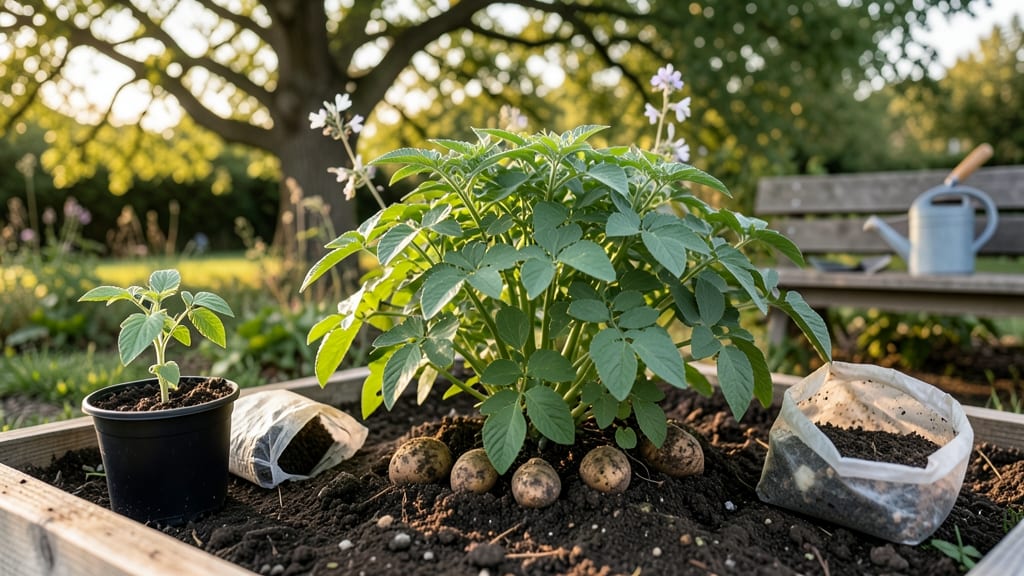
Plant potatoes in grow bags as soon as the soil is workable in spring, even if frost lingers—this trick lets you harvest 3-4 weeks earlier than traditional in-ground planting.
Cold mornings shouldn’t mean waiting months for your 🥔 harvest. Grow bags let you beat the frost and enjoy early spuds with the right timing. I’ve used them for years in USDA Zone 6a, and the secret is planting 2-4 weeks before your last frost date—not after.
Why does timing matter so much? Because potatoes thrive in cool soil but need warmth to sprout. In grow bags, you can start them earlier than in cold ground, giving you a head start on the season.
Plus, the bags warm up faster, so you’re not stuck waiting for the earth to thaw.
In this guide, I’ll walk you through the exact planting window for your climate, how to prep your bags for success, and the simple care routine that keeps your potatoes growing strong—even when the weather’s still chilly.
Optimal planting windows for grow bags in cold climates
In USDA zones 3-6, where frost lingers well into spring, grow bags become your secret weapon for early potato harvests. Unlike in-ground planting, they warm faster and drain better—critical for cold-climate success.
The key? Planting when soil temps hit 45°F (7°C), even if air temps are still chilly.
Your last frost date is your starting point, but don’t wait until the very end. For grow bags, aim to plant 2-4 weeks before your average last frost—this gives tubers time to establish roots in the warmer microclimate of the bag.
In Zone 3, that might mean late April; in Zone 6, you could start as early as mid-March.
Here’s how to pinpoint your exact window: Check your local frost-free date (use the National Weather Service or Almanac tools), then subtract 3-4 weeks. For example, if your last frost is May 10, plant by April 15.
Grow bags let you push this window earlier by 10-14 days compared to in-ground planting.
Soil temperature matters more than air temperature. Use a soil thermometer to confirm 45°F (7°C) at 4-inch depth. If it’s colder, wait—potatoes won’t sprout below 40°F (4°C).
In Zone 4, this often aligns with early April, while Zone 5 gardeners can plant as soon as late March.
| USDA Zone | Soil Temp Threshold | Planting Window | Last Frost Date | Early Harvest Potential |
|---|---|---|---|---|
| Zone 3 | 45°F (7°C) | Late April - Early May | May 15 - June 1 | Mid-July |
| Zone 4 | 45°F (7°C) | Early April - Mid-April | May 1 - May 15 | Late June - Early July |
| Zone 5 | 40°F (4°C) | Late March - Early April | April 15 - May 1 | Early July |
| Zone 6 | 40°F (4°C) | Mid-March - Late March | April 1 - April 15 | Late June |
For early harvests, prioritize early-maturing varieties like 'Yukon Gold' (90 days) or 'Red Norland' (80 days). These thrive in grow bags and can be harvested 6-8 weeks earlier than traditional planting. In Zone 5, that means late June potatoes instead of August!
Pro tip: Use black plastic mulch over your grow bags to raise soil temps by 5-10°F. This lets you plant 2 weeks earlier without risking frost damage.
Just remove the mulch once plants emerge to prevent overheating. Pair this with a frost blanket for extra protection in Zone 3-4.
Watch for soil workability—if it’s still frozen or waterlogged, delay planting. Grow bags drain faster than soil, so they warm up quicker, but never plant in soggy conditions. Aim for loose, crumbly soil at planting depth. If your bag feels compacted, add compost or perlite to improve aeration.
Timing your second planting is just as critical. For fall harvests, plant 6-8 weeks before your first frost (e.g., July 15 in Zone 4). This gives tubers time to mature before cold sets in. Use row covers to extend the season by 2-3 weeks if needed.
Remember: Grow bags warm faster than soil, so you can plant 10-14 days earlier than in-ground guidelines suggest. The trade-off? They dry out quicker, so water consistently once sprouts appear.
With the right timing, you’ll harvest baby potatoes in 50 days and full-sized spuds by summer’s end—no matter how cold your spring starts.
How to extend the growing season in grow bags for potatoes
Grow bags give you a head start on the potato season, but chilly spring mornings can still slow things down. With the right techniques, you can push your planting window 2-4 weeks earlier and enjoy homegrown spuds months ahead of traditional schedules.
The key lies in insulation, heat retention, and protective coverings—all while keeping your grow bags functional and easy to manage.
Start by choosing black plastic mulch or cardboard as your base layer. These materials absorb heat from sunlight during the day and slowly release it at night, creating a warmer microclimate for your seed potatoes.
Pair this with row covers or mini cold frames to trap additional warmth without sacrificing airflow. Even in USDA Zone 4, these methods can turn a late April planting into a July harvest instead of August.
🌱 Pro Tip: When to Plant Potatoes in Grow Bags for Early Harvests
Plant as soon as soil reaches 45°F—even if frost is still possible. Use black plastic mulch under grow bags to warm soil by 5-10°F. For Zone 3-5, aim for late March to early April with protective covers. Remove covers when flowers appear to prevent overheating.
For extra insulation, fill the bottom 6 inches of your grow bag with straw or leaves before adding potting mix. This creates a thermal buffer that keeps roots warmer longer.
Place your grow bags on brick or cinder blocks to elevate them slightly—this prevents heat from escaping into cold ground below. If you’re using row covers, secure them loosely with bricks or clips to allow for airflow while still trapping heat.
Monitor your grow bags closely during the first 2-3 weeks. If nights dip below 32°F, add an extra layer of burlap or frost cloth around the base. Avoid plastic sheeting directly on plants, as it can trap too much moisture and lead to rot.
Instead, focus on ground-level insulation—this keeps the soil warm without smothering your young potato plants.
Once your potatoes emerge and reach 4-6 inches tall, you can gradually remove protective coverings during the day. By this stage, the soil should stay warm enough to support steady growth.
Continue watering deeply in the mornings to encourage strong root development, and avoid fertilizing until after flowering to prevent tuber greening. With these techniques, you’ll harvest tender new potatoes in 60-70 days instead of waiting for the traditional 90-day window.
Don’t let early frost dates hold you back—with these season-extending tricks, you can enjoy fresh potatoes from grow bags weeks ahead of schedule. The secret is combining passive heat retention with smart protective strategies, all while keeping your plants healthy and happy.
Start experimenting this spring, and you’ll wonder how you ever waited until summer for your first harvest! 🌱🥔