
Plants
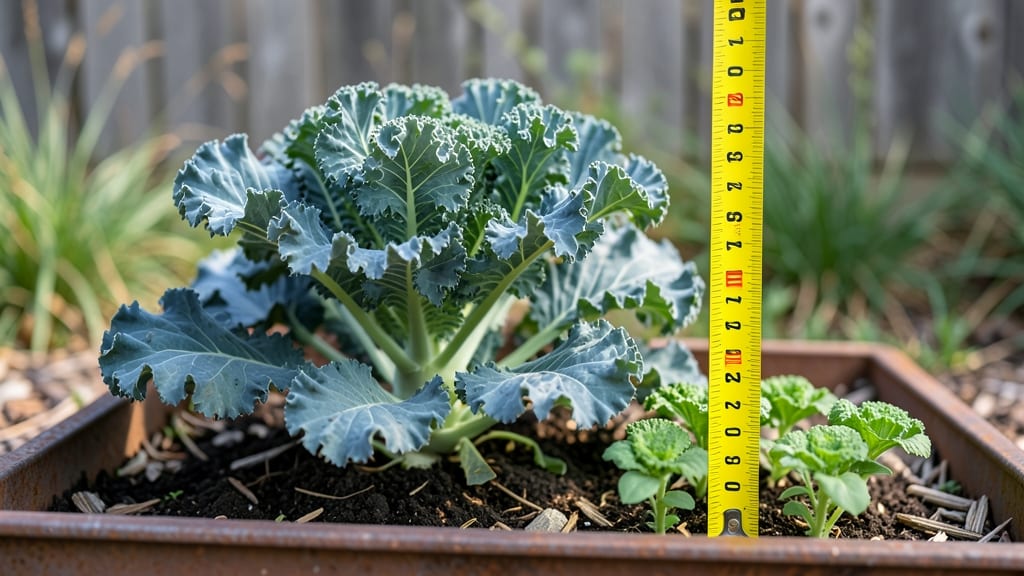
Before planning your garden, it’s worth knowing how tall do kale plants grow, since they can range from 8 inches to over 2.5 feet depending on the variety and growing conditions—so your layout could change drastically based on what you choose.
If you're planning to grow kale in your garden or containers, knowing its mature height is crucial—whether you need to space plants properly, design vertical supports, or simply avoid overcrowding. But did you know different kale varieties can vary by over 3 feet in height?
Dwarf types like 'Dwarf Blue Curled' stay compact at 12 inches tall, making them perfect for small spaces or window boxes, while larger varieties like 'Lacinato' (also called dinosaur kale) can reach 2 feet or more with broad, sturdy stems.
Below, I break down how height varies by variety, what to expect at each growth stage, and how to manage taller plants in small gardens without sacrificing yield.


Kale plant height by variety: compact vs. towering types
When planning your kale garden, one of the first questions I ask myself is: how tall will these plants grow? The answer varies dramatically depending on the variety, with some dwarf types staying under a foot while others reach nearly three feet.
Understanding these differences helps me design my garden layout or choose the right container sizes. For example, Red Russian kale stays compact, while Lacinato (Dinosaur kale) can tower impressively.
Height isn't just about aesthetics—it directly impacts your harvest strategy. Taller varieties produce larger leaves but may require more space and support, while dwarf types are perfect for small gardens or container growing.
I've found that knowing these height ranges helps prevent overcrowding and ensures I can reach the leaves comfortably for harvesting. Let's explore the most popular varieties and their growth patterns to help you make the best choices for your space.
I always start with dwarf varieties like Dwarf Blue Curled when space is limited. These stay under a foot tall, making them perfect for container growing or interplanting with other crops. Their compact size also means they won't shade out neighboring plants, which is crucial in small garden beds.
For example, I've successfully grown Dwarf Blue Curled in 12-inch pots on my balcony, harvesting continuously for months.
The Red Russian variety offers a great middle ground with its semi-upright growth reaching 12-18 inches. This height makes it versatile for both in-ground planting and larger containers. I've noticed Red Russian handles cold temperatures exceptionally well, often producing sweet leaves well into winter.
Its loose growth habit also makes it easier to harvest individual leaves without damaging the plant.
For those with more space, Lacinato kale becomes my go-to choice. Standing 18-24 inches tall, it creates a dramatic vertical element in the garden while producing those prized large, textured leaves.
I've found that Lacinato benefits from staking when grown in windy areas, as its sturdy stems can support the weight of heavy leaves. The variety's height also makes it ideal for creating living borders in larger garden plots.
When planning your garden layout, remember that spacing requirements vary significantly. Dwarf varieties need about 12 inches between plants, while taller types like Lacinato should have 18-24 inches of space.
I've learned this the hard way—crowding taller kale leads to competition for nutrients and increased disease risk from poor air circulation. Proper spacing also makes harvesting much easier, as you can move between plants without disturbing the soil.
Another factor that influences height is your harvesting technique. Regularly harvesting outer leaves encourages bushier growth in dwarf varieties, while leaving taller types to mature can result in even greater height. I've experimented with both approaches and found that for Lacinato, allowing some leaves to mature fully produces
Kale growth stages and height milestones: what to expect
Understanding your kale's vertical progression helps you plan spacing and support structures. From delicate seedlings to robust mature plants, each growth stage brings distinct height changes influenced by light exposure and temperature conditions. I've tracked these milestones in my own garden to help you anticipate what to expect.
Kale's height varies dramatically between varieties, but most follow predictable growth patterns when given ideal conditions. The first 4-6 weeks focus on root and leaf establishment, while the next 6-8 weeks see rapid vertical growth. Let's explore these stages week-by-week to help you visualize your plants' journey.
Height: 1-3 inches | Focus: Root development
Height: 4-8 inches | Critical: 6+ hours sunlight for sturdy stems
Height: 12-18 inches | Temperature tip: Ideal 60-70°F for maximum growth
Height: 18-30 inches | Variety note: Dwarf types plateau at 12 inches
Height: 24-36 inches | Harvest ready when leaves reach 6+ inches long
Light plays a crucial role in vertical growth. My red Russian kale reached 30 inches in full sun, while the same variety in partial shade only grew to 18 inches. The difference comes from chlorophyll production - more sunlight means stronger stems and larger leaves that support greater height.
Temperature also affects growth rate. Kale grows fastest between 60-70°F (15-21°C). Below 50°F (10°C), growth slows dramatically, while above 85°F (29°C), plants may bolt prematurely. I've noticed my Winterbor kale maintains better height in cooler fall weather compared to summer plantings.
Proper spacing prevents height-related issues. For standard varieties, maintain 18-24 inches between plants to allow full growth. Dwarf varieties like Dwarf Blue Curled can be spaced 12 inches apart since they rarely exceed 12 inches in height. Remember, taller plants need more support to prevent flopping.
Monitor your plants' height weekly and adjust care accordingly. If growth stalls, check for nutrient deficiencies or pest damage that might be limiting vertical development. With proper conditions, your kale will reach its full potential height by harvest time.