
Plants
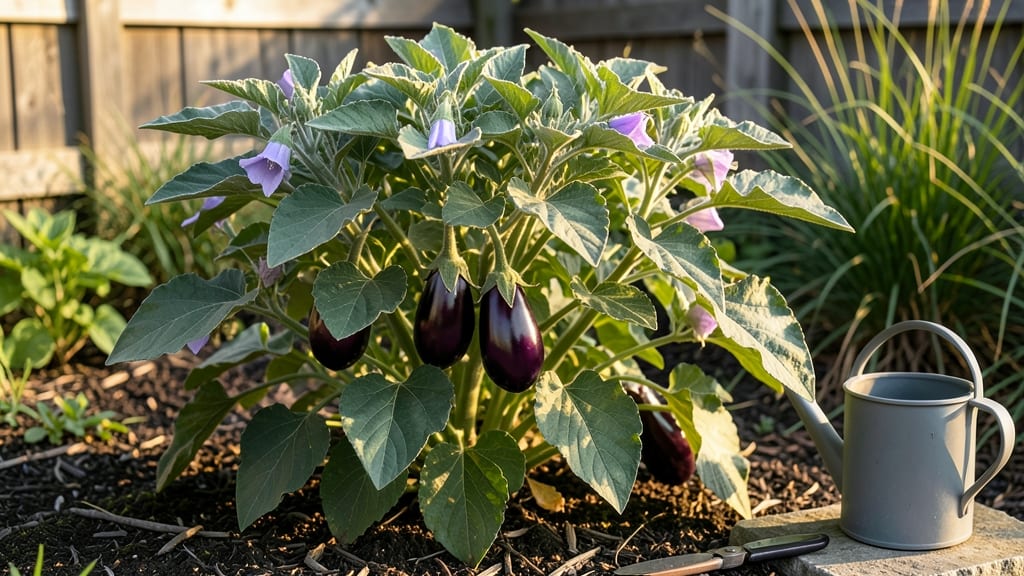
An eggplant plant grows anywhere from 1 to 4 feet tall, depending on the variety you choose—so your garden layout might need more vertical space than you expect!
Picture this: you’ve just planted your first eggplant seedlings, dreaming of glossy purple fruit, only to realize your 3-foot-tall Black Beauty is now a towering presence in your backyard.
Whether you’re working with dwarf varieties or standard types, knowing the height range is key to spacing, support, and even harvest success.
Some eggplants stay compact, perfect for containers or small gardens, while others reach tall heights that beg for trellises or cages. The good news? With the right variety and a little pruning know-how, you can manage growth to fit your space—no matter how ambitious your plants get.
Below, I’ll break down the height differences between dwarf, standard, and giant varieties, plus tips for keeping your eggplants from outgrowing their welcome. Ready to plan your perfect eggplant patch?


Eggplant plant height by variety: compact vs towering types
If you're planning your garden layout, knowing how tall eggplant plants grow is crucial—especially when choosing between compact varieties and towering giants. Some eggplants stay as short as 12 inches, while others reach over 4 feet, making space planning a game-changer.
The right variety can fit snugly in containers or sprawl across your raised beds, depending on your goals.
Eggplant height varies dramatically by cultivar selection, with dwarf varieties ideal for small spaces and standard/giant types dominating larger gardens. For example, Rosa Bianca stays under 2 feet, while Black Beauty can stretch to 4 feet—nearly the height of a standard kitchen counter!
Let’s break down the height ranges so you can pick the perfect fit for your garden.
| Variety | Height Range | Best For | Notes |
|---|---|---|---|
| Rosa Bianca | 12–18 inches | Containers, small gardens | Compact, white-skinned, great for urban gardens |
| Fairy Tale | 12–24 inches | Balconies, window boxes | Dwarf variety, ideal for limited space |
| Ichiban | 24–36 inches | Raised beds, small plots | Japanese heirloom, glossy fruit, needs support |
| Black Beauty | 36–48 inches | Standard gardens, trellises | Classic variety, heavy fruit needs staking |
| Hansel | 48–60 inches | Large gardens, trellising | Giant variety, produces massive fruit |
| Rosa Bianca (Bianca) | 12–18 inches | Containers, small spaces | Unique white fruit, compact growth habit |
For container gardening, prioritize dwarf varieties like Rosa Bianca or Fairy Tale, which thrive in 5-gallon pots with proper drainage. These compact types rarely exceed 2 feet, making them perfect for patios or balconies.
Just ensure your container is at least 12 inches deep to accommodate their root systems.
If you’re working with raised beds or larger garden plots, standard varieties like Black Beauty or Ichiban will fill the space beautifully. These plants typically reach 3–4 feet, so plan for 18–24 inches of spacing between plants to prevent overcrowding.
Their height also makes them ideal candidates for trellising, which can save space and improve air circulation.
On the other end of the spectrum, giant varieties like Hansel can grow 5 feet or taller, requiring sturdy support structures like cages or tall trellises. These towering plants produce heavy fruit, so without support, branches may snap under the weight.
If you’re growing them in smaller gardens, consider pruning to control height or opt for a sprawling trellis to train vines upward.
Another factor influencing eggplant height is pruning practices. Regularly pinching back lateral shoots can encourage a bushier, shorter plant, while leaving them unpruned allows the plant to grow taller. For container-grown eggplants, pruning is especially helpful to prevent the plant from becoming top-heavy and tipping over.
When selecting varieties, also consider fruit size, as larger fruits (like those from Hansel) require stronger stems and more support. Smaller-fruited varieties, such as Rosa Bianca, are less demanding but still benefit from light staking to keep them upright.
Always check seed packets or plant tags for height estimates, as some nurseries may list mature height ranges that vary slightly.
Pro tip: If you’re unsure about a variety’s height, start with one plant in a test plot to observe its growth habits before committing to a full garden bed. This way, you can adjust your layout or support structures as needed without disrupting your entire garden plan.
Remember, eggplant height isn’t just about aesthetics—it directly impacts yield, disease risk, and harvest
Do eggplant plants need support? When and how to stake or cage them
Eggplant plants typically reach 3-4 feet tall at maturity, but their fruit weight and growth habit often make support essential. Without proper support, heavy eggplants can break stems or sprawl uncontrollably, reducing yield and air circulation. Most gardeners find that staking or caging improves both productivity and plant health.
Deciding whether your eggplants need support depends on variety selection and garden conditions. Dwarf varieties like Fairy Tale may not require support, while standard types like Black Beauty almost always benefit. Even if your plants aren't towering, heavy fruit loads can stress stems, making support a smart preventive measure.
Support Needs for Eggplant Plants
| Factor | Support Needed | Why It Matters |
|---|---|---|
| Height | Yes (3-4 ft) | Prevents stem breakage from wind/rain |
| Fruit Weight | Yes (1-2 lbs each) | Heavy fruit can snap stems |
| Variety | Standard types: Yes | Dwarf types may not need support |
| Garden Space | Yes (compact gardens) | Saves space and improves airflow |
If you choose to support your eggplants, cages are the easiest option for most gardeners. These pre-made structures (usually 4-5 feet tall) fit snugly around plants and require minimal maintenance. For a DIY approach, bamboo stakes or wooden dowels work well, especially for single-stem varieties like Ichiban.
For trellising eggplants, use strong twine or plant ties to gently guide vines upward. This method works best for longer varieties like Rosa Bianca but requires more frequent checking to prevent fruit damage. Always tie stems at a 45-degree angle to avoid girdling the plant.
Remember that overly aggressive pruning can weaken plants, making support even more critical. Focus on removing only suckers (side shoots) and leaving the main stem intact. This balance keeps your eggplants productive and upright without sacrificing yield.
Start supporting your eggplants early—once they reach 12-18 inches tall—to prevent stem stress. With the right support system, you'll enjoy healthier plants, better air circulation, and easier harvesting all season long. 🌱