
How To
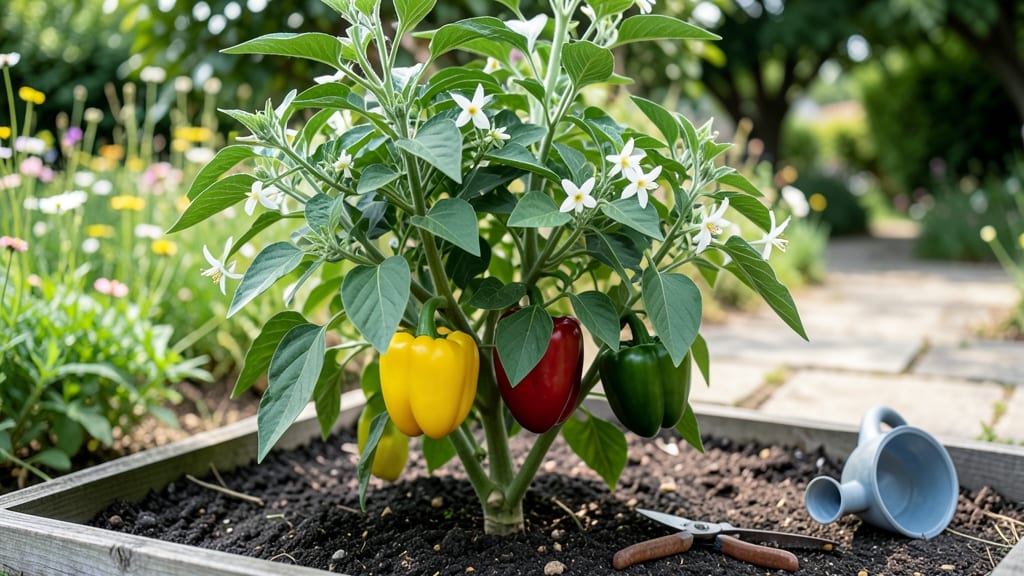
Bell pepper plants grow between 2 and 4 feet tall, but their height depends entirely on the variety you choose and how you care for them.
Wondering how much vertical space your bell pepper plants will need this growing season? The height of bell pepper varieties can vary dramatically—from compact bush types to towering trellis climbers—affecting everything from garden layout to harvest accessibility.
Some popular varieties, like the 'Jupiter' bell pepper, stay on the shorter side at around 2 to 3 feet, making them perfect for small gardens or containers. On the other hand, types like 'California Wonder' can reach up to 4 feet or more, especially when given proper support.
In this guide, you'll learn how to choose the right variety for your space, when to provide support, and simple tips to keep your plants healthy and productive—no matter how tall they grow.


Bell pepper plant heights by variety: compact vs. tall-growing types
When planning your garden, knowing how tall bell pepper plants grow helps you choose the right varieties and space them properly. Some varieties stay under 2 feet tall, while others can reach 4 feet or more with proper support.
The difference affects everything from container gardening to trellis setups, so let's break down the most popular types by their mature height ranges.
Compact bell pepper varieties are perfect for small spaces, containers, or urban gardens where vertical space is limited. These bush-type peppers typically grow 18-24 inches tall and don't require staking.
On the other end, tall-growing varieties can climb 3-4 feet or more, making them ideal for trellises or tall cages that save ground space and improve air circulation.
The growth habit—whether a variety is a bush or vine type—directly impacts its height and spacing needs. Bush types grow in a compact shape, while vine types send out long stems that need support.
Understanding these differences helps you avoid overcrowding and ensures each plant gets the sunlight and nutrients it needs to thrive.
Here’s a quick look at how bell pepper plant heights compare across popular varieties, including their mature heights, growth habits, and ideal spacing for maximum yield:
If you're growing bell peppers in containers or
When and how to provide support for tall bell pepper plants
If your bell pepper plants are reaching heights of 3-4 feet or more, they’ll need proper support to thrive. Without it, stems can snap under the weight of heavy peppers, leading to wasted harvests.
Tall varieties like California Wonder or Fish Pepper benefit most from support, but even shorter types may need help as they mature.
Support structures aren’t just for aesthetics—they improve air circulation, reduce disease risk, and make harvesting easier. Whether you choose cages, stakes, or trellises, timing and installation matter.
The best time to add support is when plants are 6-8 inches tall and have developed their first few leaves, giving them stability as they grow.
Step-by-Step Guide to Supporting Tall Bell Peppers
-
Step 1: Choose the right support
- Cages: Best for bushy varieties (e.g., Jupiter), 2-3 ft tall
- Stakes: Ideal for single-stemmed types, 3-4 ft long
- Trellises: Perfect for vining types, 4-6 ft high
-
Step 2: Install supports early
- Drive stakes 6 inches deep into soil when plants are 6-8 inches tall
- Secure cages with garden ties or wire to avoid movement
- For trellises, use soft twine to gently tie stems
-
Step 3: Train vines upward
- Gently weave stems through trellis every 4-6 inches
- Avoid tight ties—leave 1 inch of wiggle room for growth
- Prune side shoots to direct energy upward
-
Step 4: Reinforce as plants grow
- Add extra stakes if stems lean or sag
- Check ties weekly to prevent stem damage
- Harvest peppers regularly to reduce weight stress
Pruning plays a crucial role in managing height while boosting fruit production. Remove suckers (shoots in the leaf axils) to encourage upward growth and larger peppers. For bush varieties, prune lightly to maintain shape, while vining types benefit from aggressive pruning to train them along trellises.
Proper support also makes harvesting easier—no more bending over or risking broken stems. Just ensure your structure is sturdy enough to handle the weight of mature peppers, which can reach 6-8 ounces each. A well-supported plant will reward you with a bountiful, stress-free harvest.
🌱