
How To
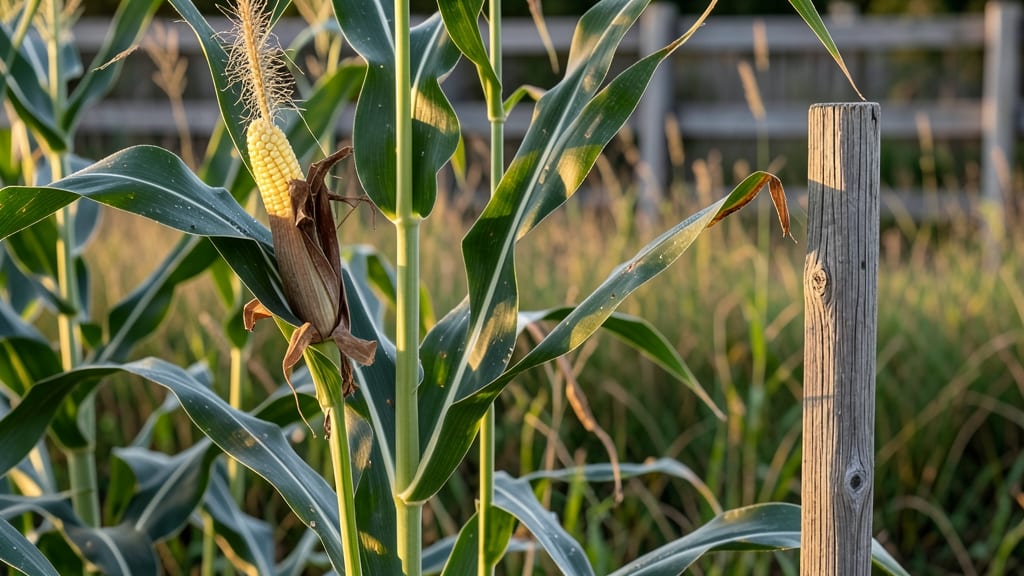
A corn plant grows anywhere from 4 feet to over 12 feet tall, depending on the variety and growing conditions 🌽 — and that height makes all the difference in your garden layout.
Wondering how much vertical space your corn plants will need this growing season? Getting the height right is key to maximizing yield and avoiding overcrowding—especially when planning your garden layout or choosing varieties.
A 6-foot dwarf variety fits neatly in small plots, while a 10-foot standard type needs room to tower over neighboring plants.
Most home gardeners grow sweet corn, which typically reaches 6 to 10 feet, but ornamental corn can stretch even taller. Field corn, often used for livestock feed, can easily hit 12 feet or more.
The right spacing—usually 30 to 36 inches between rows—helps prevent shading and ensures every plant gets enough sunlight to reach its full potential.
In this guide, I’ll break down how corn height varies by type, how to plan your garden for different sizes, and the 5 key factors that influence how tall your corn will grow—so you can set yours up for success from day one.


Corn plant height by variety: tallest vs shortest growing types
When planning your garden, knowing how tall corn plants grow helps you choose the right varieties for your space. Corn heights vary dramatically—from compact dwarf varieties perfect for small gardens to towering field corn that can reach basketball hoop heights.
Understanding these differences ensures proper spacing, sunlight access, and maximum yield.
Most gardeners focus on sweet corn varieties for home use, but ornamental and field corn also offer unique heights. For example, sugar-enhanced hybrids like 'Silver Queen' stay around 6-8 feet, while heirloom types like 'Country Gentleman' can exceed 10 feet.
Field corn varieties often reach their full potential height of 10-12 feet, making them ideal for large plots or livestock feed.
Ornamental corn adds visual interest with striking colors and textures, but their heights range from 5-10 feet. Varieties like 'Black Aztec' or 'Glass Gem' create dramatic focal points in gardens, while dwarf varieties like 'Tom Thumb' stay under 4 feet—perfect for containers or urban gardens.
| Variety Type | Mature Height | Best For | Spacing Needs |
|---|---|---|---|
| Dwarf Sweet Corn | 4-6 ft | Containers, small gardens | 12-18" apart |
| Standard Sweet Corn | 6-8 ft | Home gardens, fresh eating | 24-36" apart |
| Tall Sweet Corn | 8-12 ft | Large plots, livestock feed | 36-48" apart |
| Ornamental Corn | 5-10 ft | Decorative displays | 24-36" apart |
| Field Corn | 10-12 ft | Agricultural use | 48" apart in rows |
If you're working with limited garden space, prioritize dwarf varieties like 'Tom Thumb' or 'Golden Bantam', which mature at just 4-5 feet. These are ideal for container gardening or urban plots where vertical space is constrained.
Even in small spaces, you can achieve 2-3 ears per plant with proper care.
For larger gardens, taller varieties like 'Country Gentleman' or 'Kandy Korn' reach 10+ feet, producing abundant ears but requiring wide row spacing (36-48 inches). These varieties thrive in full sun and rich soil, making them perfect for dedicated corn patches or homesteads.
Ornamental corn varieties often outperform standard types in height and visual appeal. For instance, 'Glass Gem' can reach 8-10 feet with striking purple, blue, and gold kernels. These varieties are non-edible but add dramatic color to fall gardens and make excellent dried corn decorations.
When selecting varieties, consider your garden's sunlight exposure and soil quality. Taller corn needs 6-8 hours of direct sun daily and well-draining soil to support its height. If your garden has partial shade, opt for shorter varieties like 'Peaches and Cream' (6 feet) to avoid stunted growth.
Proper plant spacing is critical for tall corn to prevent shading issues and disease spread. For varieties over 8 feet, space plants 48 inches apart in rows 36 inches apart. This spacing ensures each plant gets adequate airflow and sunlight, reducing the risk of corn smut or fungal diseases.
For small-space gardeners, consider trellising tall varieties like 'Sweet Country Gentleman'. Using sturdy stakes or a trellis system can save space while still allowing the plant to reach its full height. This method works especially well for vertical gardening in patios or balconies.
Remember, corn height varies based on growing conditions. Even within the same variety, plants may grow 1-2 feet taller in ideal conditions (rich soil, full sun, consistent water) compared to stressed environments. Always check seed packets for mature height estimates and adjust your garden plan accordingly.
How corn height affects garden planning and plant spacing
When planning your garden, corn height plays a critical role in determining plant spacing, sunlight exposure, and even companion planting strategies. Tall varieties like 10-foot field corn require completely different spacing than 4-foot dwarf varieties.
Ignoring height can lead to shaded lower leaves, reduced yields, or even plant collapse from wind damage.
For most home gardens, corn heights range from 4 feet (dwarf varieties) to 12 feet (tall field corn). This dramatic difference means your row spacing and plant density calculations must adjust accordingly.
Even a 2-foot height difference can mean the difference between a thriving crop and one struggling for sunlight.
- Dwarf varieties (4-6 ft): Space 12-18 inches apart in rows 24 inches apart—ideal for small gardens or container growing.
- Standard sweet corn (6-8 ft): Use 12-15 inches between plants with 30-36 inches between rows for optimal sunlight penetration.
- Tall field corn (8-12 ft): Space 18-24 inches apart in rows 36-48 inches apart to prevent shading and improve air circulation.
- Companion planting tip: Place shorter plants (beans, lettuce) between corn rows to utilize vertical space efficiently.
- Trellising solution: For varieties exceeding 8 feet, use bamboo stakes or wire trellises to support stalks and free up garden space.
One common mistake is assuming all corn varieties need the same spacing. For example, Silver Queen sweet corn (7-8 feet) requires 30-inch row spacing, while Baby Blue dwarf corn (4-5 feet) thrives in 24-inch rows.
Always check seed packets for mature height estimates—this determines your entire planting strategy.
Tall corn varieties also benefit from windbreak structures or staking to prevent lodging (falling over). If your garden has 8-foot+ corn, consider planting along fences or using corn cages made from PVC pipes. This not only saves space but also protects your investment from strong winds.
For small gardens, interplanting corn with shallow-rooted crops like radishes or green onions works beautifully. The corn provides shade for heat-sensitive plants while they mature, then gets harvested before the corn fully shades the area. This vertical layering maximizes your garden's productivity without sacrificing yield.
Remember: Corn needs full sun, so taller varieties should face south in the Northern Hemisphere to avoid shading from nearby structures. If your garden has limited space, opt for bush-type corn varieties that stay under 6 feet—these are perfect for square-foot gardening methods.