
Companion Plants
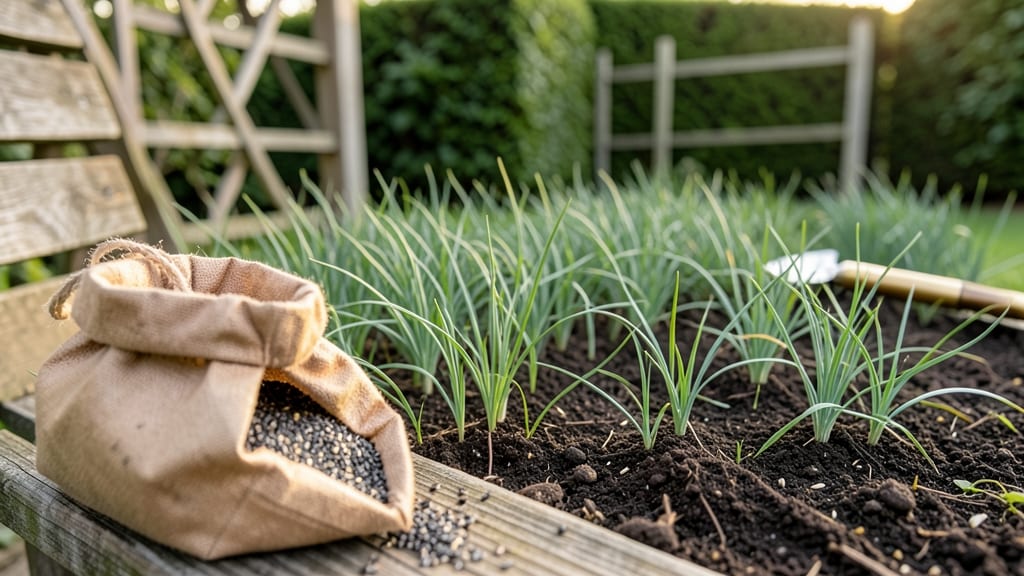
You can plant grass in the spring when soil temperatures hit 55–65°F—the sweet spot for germination before summer heat sets in.
Timing your spring grass planting wrong can mean thin, patchy lawns—or wasted seed. But planting too early or late in the season throws off root establishment, leaving your turf vulnerable to heat, drought, or frost.
Here’s how to pinpoint the exact window for your climate zone and microclimate for a lush, weed-resistant lawn.
In Zone 6a, like many northern regions, aim for early April—just as the last frost risk fades but before soil overheats. Southern zones can start as early as February, while coastal areas may wait until May to avoid salt damage.
The key is testing soil temperature with a simple thermometer or waiting until you can press your hand into the ground without resistance.
Below, I’ll break down how to adjust for your yard’s shade, sun exposure, and local weather quirks—plus the 3 signs your soil is finally ready for seed. No more guesswork, just thick, green grass by summer.
Spring grass planting deadlines by USDA Hardiness Zone: avoid these critical mistakes
Getting your spring grass planting timing wrong can turn your lush lawn dreams into a patchy nightmare. The key is planting 3–5 weeks before your last frost date, but soil temperature—not just air temperature—determines success.
Cool-season grasses like Kentucky bluegrass and fescue need 55–65°F soil to germinate, while warm-season types like Bermuda or Zoysia wait until 65–75°F. Miss this window, and you risk frost damage or heat stress.
Your USDA Hardiness Zone narrows it down, but microclimates (like urban heat islands or shaded yards) can shift your deadline by weeks. For example, a Zone 5 yard might plant in late April, while a Zone 9 lawn starts in early March.
Below, we break down the exact planting windows by zone, plus how to adjust for your yard’s quirks.
🌱 Pro Tip: Use a soil thermometer (not air temp!) to confirm readiness. Bury it 2 inches deep for 24 hours—if it’s too cold, wait. Rushing leads to slow germination and weak roots.
| USDA Zone | Cool-Season Grass Window | Warm-Season Grass Window | Soil Temp Threshold | Microclimate Adjustments |
|---|---|---|---|---|
| Zones 3–4 | Mid-April to early May | Late May to June | 50–55°F | Wait 1–2 weeks longer in shaded areas; urban zones may plant 1 week earlier. |
| Zones 5–6 | Late March to April | Early May to June | 55–60°F | High-altitude areas delay by 2 weeks; cities can start 1 week early. |
| Zones 7–8 | February to March | April to early May | 60–65°F | Coastal zones may start in January; inland areas wait until March. |
| Zones 9–10 | January to February | March to April | 65–70°F | Desert zones plant in late winter; humid areas may delay until spring. |
⚠️ Critical Note: Warm-season grasses cannot handle frost—plant after all frost risk has passed.
If you’re in Zone 5–6, aim for late March to April for cool-season grasses like tall fescue.
These varieties thrive in cooler temps and establish roots before summer heat arrives. Warm-season grasses, such as centipede or St. Augustine, need to wait until soil temps hit 65°F—usually late May in Zone 6. Planting too early risks seed rot or fungal diseases.
For Zone 3–4 gardeners, mid-April is your sweet spot. The ground must thaw 6+ inches deep, and frost warnings should be rare.
Use a frost blanket if nights dip below 32°F after planting. Northern climates often see slower germination, so start seeds indoors 4–6 weeks before your target date for a head start.
In southern zones (7–10), you can plant cool-season grasses in January, but warm-season types like Bermuda need to wait until April. Coastal areas may have earlier windows due to milder winters, while desert zones might delay until March to avoid extreme heat.
Always check your local frost data—not
How to adjust planting time for your microclimate: sun, shade, and local weather quirks
Your local weather forecast might say "spring has sprung," but your microclimate could be telling a different story. Urban heat islands, shaded yards, and coastal breezes all create unique conditions that shift planting windows.
For grass, this means the difference between a thick, green lawn and a struggling patch of dirt. Let’s break down how to adjust your planting timeline for your specific growing conditions.
Start by testing your soil temperature—grass seeds need soil between 55–65°F (13–18°C) to germinate properly. Use a soil thermometer (or even a reliable weather app) to check temperatures at a depth of 2–4 inches.
If your soil is still cold, frost or slow growth could sabotage your efforts. For example, coastal areas might warm up faster than inland zones, while high-altitude gardens can stay chilly weeks longer.
Urban heat islands (like city sidewalks or rooftops) can trick you into planting too early—those concrete surfaces radiate heat, making soil seem warmer than it is. Conversely, shaded lawns under trees may stay cooler longer, delaying germination. Adjust your timeline by 1–2 weeks earlier in heat islands and 1–2 weeks later in shaded spots. Coastal climates? Plant 2–3 weeks earlier than inland zones, thanks to milder winters.
🌡️ Microclimate Adjustments for Grass Planting
- 🏙️ Urban Heat Islands: Plant 1–2 weeks earlier—soil warms faster near pavement.
- 🌳 Shaded Lawns: Delay planting by 1–2 weeks—cooler soil slows germination.
- 🏔️ High-Altitude Gardens: Wait until soil is 60°F+—cold nights delay growth.
- 🌊 Coastal Climates: Plant 2–3 weeks earlier—milder winters extend the window.
- 🌡️ Soil Temp Test: Use a thermometer—55–65°F is the sweet spot for germination.
Extend your planting window with mulch or frost blankets. A layer of straw or a lightweight frost cloth can protect new seedlings from unexpected late frosts, buying you an extra 2–3 weeks of flexibility.
For example, if your local frost date is April 15 but you’re in a high-altitude zone, mulching can help you plant in early April without risking frost damage. Just remove the cover once soil warms consistently above 50°F (10°C).
Before you plant, run through this quick pre-planting checklist:
- ✅ Test soil temperature (aim for 55–65°F).
- ✅ Adjust planting date by 1–3 weeks based on your microclimate.
- ✅ Apply a 1-inch layer of mulch if frost is still possible.
- ✅ Water deeply before planting to settle soil.
Remember, cool-season grasses (like Kentucky bluegrass) thrive in spring plantings, while warm-season grasses (like Bermuda) prefer late spring or early summer. Match your grass type to your microclimate’s natural rhythm for the best results.
With these adjustments, you’ll avoid the most common pitfalls and enjoy a lush, weed-resistant lawn all season long. 🌱