
Plants
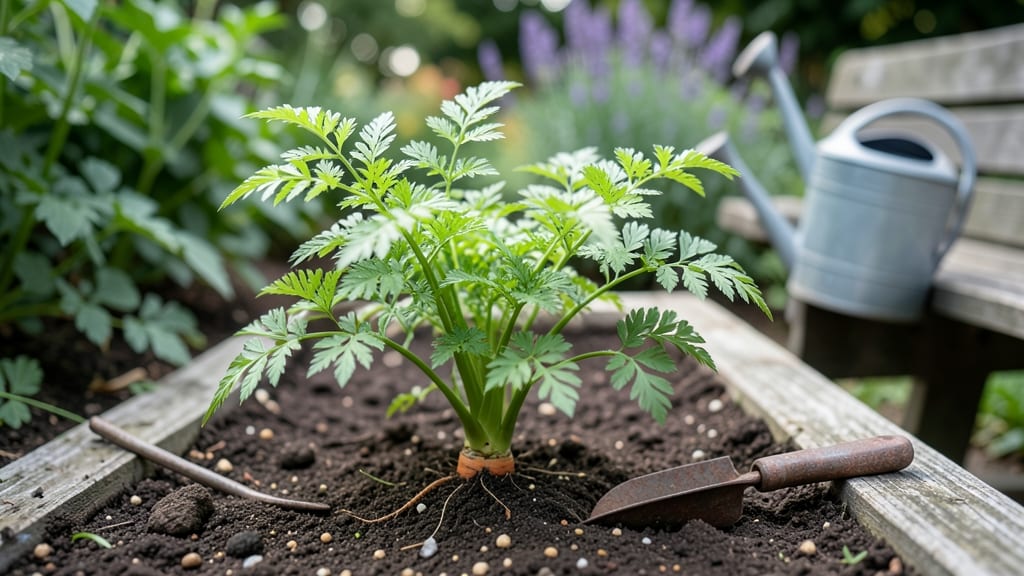
You can plant carrots in Zone 6 as early as late March or as late as mid-July, but timing makes the difference between sweet, crisp roots and tough, woody ones.
Carrots love cool weather, but in Zone 6, the heat of summer can turn them bitter or cause them to bolt before you even harvest. The key is planting them when soil temperatures stay below 70°F—a window that closes fast if you wait too long.
Spring plantings in March or April give you roots ready by summer, while a mid-summer crop in July can still mature before frost. But if you miss those deadlines, you might be left with a garden full of leafy tops and no carrots at all.
Below, I’ll break down the exact weeks to plant for two harvests, how to stretch your season with succession planting, and which varieties handle Zone 6’s heat and cold best.
Zone 6 carrot planting deadlines by season: exact weeks for best results
Carrots in Zone 6 demand precision timing to avoid woody roots or premature bolting. The key is planting when soil temps hit 50-60°F—not just following calendar dates. Early varieties need 50 days to mature, while late varieties can stretch to 80 days, so adjust your schedule accordingly.
Your last frost date (typically April 15) signals the start of spring planting, but microclimates like frost pockets or urban heat islands can shift this by 2-3 weeks.
For example, a north-facing bed may need 2 weeks earlier than a south-facing one. Always test soil temps with a soil thermometer before planting.
🌱
Spring planting in Zone 6 starts with early varieties like ‘Paris Market’ (50 days) sown 4-6 weeks before last frost. For a continuous harvest, stagger plantings every 2-3 weeks until mid-June.
Late varieties like ‘Danvers Half Long’ (75 days) should go in by May 15 to avoid summer heat.
Summer carrots are trickier—they bolt when temps exceed 80°F. Plant shade-tolerant varieties like ‘Rainbow’ in July and keep soil moist. Succession plant every 2 weeks until August 1 for fall harvests. A 30% shade cloth can extend summer growing by 2-3 weeks.
Fall is your second-best window for crisp carrots. Start 8 weeks before first frost (typically September 15) with cold-hardy varieties like ‘Chantenay’. Use row covers to protect from early frosts and extend harvests into November. Soil temps should stay above 45°F for best germination.
Microclimates can shift your deadlines by 2-3 weeks. For example, a frost pocket (like a low-lying area) may need 2 weeks earlier planting, while a urban heat island (paved areas) might delay planting by 1 week.
Test your soil with a thermometer—carrots won’t germinate well below 50°F.
Adjust for soil type too: Sandy soil warms faster, so plant 1-2 weeks earlier than clay. Amend heavy soils with compost to improve drainage—carrots hate compacted or rocky soil. Loosen beds to 12 inches deep to prevent forked roots.
🌿
For year-round carrots, combine succession planting with seasonal varieties. Start with early spring types, switch to summer bolting-resistant ones, then plant fall/winter hardy varieties. Use
How to extend your carrot growing season in Zone 6 without risking bolting
Extending your carrot season in Zone 6 means beating bolting—the premature flowering that turns roots tough and bitter. With the right strategies, you can enjoy crisp carrots from early spring through late fall, even when temperatures dip.
The key lies in succession planting, protective coverings, and selecting cold-hardy varieties that resist early bolting.
Most gardeners in Zone 6 focus on spring planting, but fall and winter crops are equally rewarding. By late summer, you can sow short-day varieties that mature before frost.
The trick? Start with 4-6 week intervals between plantings to ensure a continuous harvest. This method works wonders for Danvers and Chantenay varieties, which handle cooler temps better than others.
⚠️ callout warning ⚠️
Planting carrots in late July or August in Zone 6 often triggers bolting due to long daylight and warming soil. If you must plant late, choose short-day varieties like 'Paris Market' and use 30% shade cloth to reduce light exposure. Alternatively, opt for fall planting in September for a safer harvest before frost.
For fall planting, aim to sow seeds 8-10 weeks before your first frost (typically mid-September in Zone 6). Use row covers or low tunnels to protect seedlings from early cold snaps while allowing sunlight to penetrate.
This extends the growing season by 4-6 weeks, giving you time to harvest before winter sets in.
Cold-hardy varieties like 'Rainbow' and 'Nantes' are your best bets for winter protection. Once soil temps drop below 40°F, mulch heavily with straw or leaves to insulate roots. Pair this with a floating row cover to shield plants from freezing winds while still allowing light.
With these layers, you can harvest sweet, tender carrots even in January or February.
Succession planting is another game-changer. Instead of one big planting, sow small batches every 2 weeks from spring through early fall. This ensures a steady supply of baby carrots or full-sized roots.
For example, plant 10 feet of row every 14 days starting in March, then again in June and August. This staggered approach prevents overcrowding and maximizes space.
Finally, monitor soil temperature closely—carrots germinate best in 60-70°F soil. Use a soil thermometer to avoid planting when temps exceed 80°F, which can cause seeds to bolt.
If your soil is too warm, opt for shade cloth or wait until evening to plant. With these techniques, you’ll enjoy homegrown carrots nearly year-round in Zone 6.