
Plants
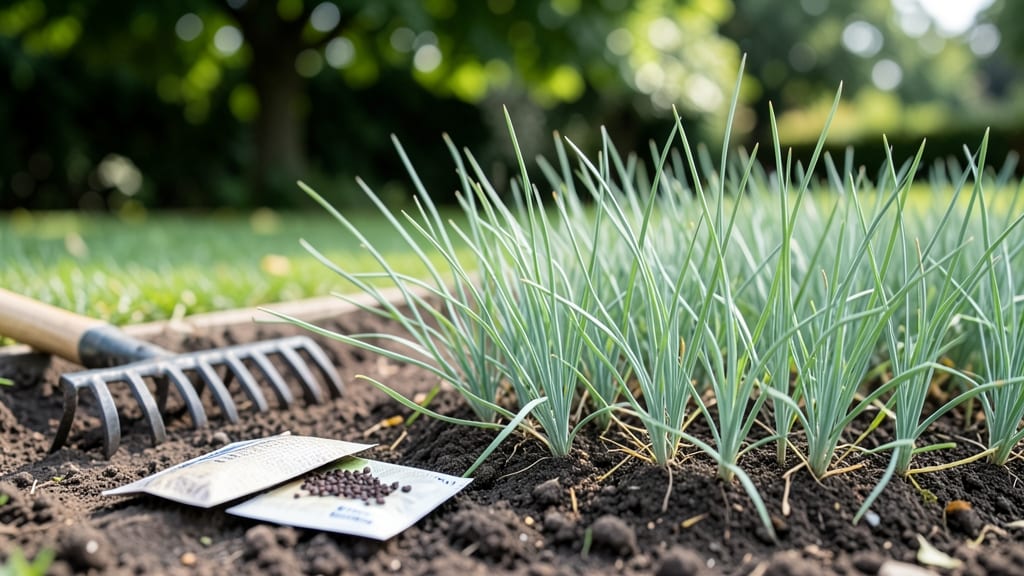
You can plant grass seed in Minnesota when soil temperatures hit 50°F and stay above freezing, typically between early April and mid-May for most zones.
Minnesota’s unpredictable climate can turn grass seeding into a high-stakes guessing game—plant too early and risk frost damage, too late and face summer drought stress.
Timing isn’t just about dates; it’s about understanding your specific hardiness zone (USDA 3-5) and microclimates. Northern Minnesota may wait until late May, while southern regions can start as early as March.
In this guide, I’ll break down the best planting windows by zone, how to prep your soil, and why fall seeding often works better than spring for a lush, 🌱 resilient lawn.
Minnesota grass seed planting timeline by hardiness Zone (USDA 3-5)
Minnesota’s USDA hardiness zones 3-5 create distinct windows for planting cool-season grasses like Kentucky bluegrass and fine fescue. The key? Planting when soil temperatures hit 50-55°F and before summer drought stress sets in.
Northern regions like Duluth (Zone 3) have shorter windows than southern areas like Rochester (Zone 5), making timing everything.
For spring planting, aim for 4-6 weeks before your last frost date—this gives seedlings time to establish before summer heat arrives. Fall planting, however, offers a longer window in September-October when soil stays warm but air cools, reducing weed competition.
Let’s break down the exact frost-free windows by region to avoid common mistakes like overwatering in cold soil or planting too late for root growth.
In the Twin Cities (USDA Zone 4b-5a), you’ve got the most flexibility with a spring window from April 15 to May 15 and a fall window extending into October.
This means you can plant in early April if your soil warms quickly, but wait until mid-May if you’re unsure—just don’t delay past May 15 or risk summer drought stress.
Up north in Duluth (Zone 3b-4a), the window shrinks dramatically. Plant too early, and late frosts will kill seedlings. Stick to April 20–May 10 for spring, and if you miss that, your fall window closes by September 15.
Use a soil thermometer to confirm temperatures are above 50°F before seeding.
For Fargo (Zone 4a-4b), the timing is critical due to its short growing season. Plant in late April if soil is workable, but don’t push past May 5—summer arrives fast.
Fall planting is equally tight, with August 25–September 10 being your best bet for root establishment before winter.
Southern Minnesota’s Rochester (Zone 4b-5a) mirrors the Twin Cities but with slightly more wiggle room. If you’re planting Kentucky bluegrass, which thrives in warmer soils, you can push the spring window to early April.
However, fine fescue, which prefers cooler soils, may need to wait until mid-April.
Pro tip: Test your soil temperature with a soil thermometer—it’s the most reliable way to avoid planting too early. Cool-season grasses like tall fescue need soil temps above 50°F, while perennial ryegrass can handle slightly cooler conditions.
If your soil is still below 45°F, wait it out—cold soil delays germination and weakens seedlings.
Don’t overlook fall planting, which often yields healthier lawns in Minnesota. The 6-8 weeks before first frost allows grass to establish deep roots without summer heat stress.
In Zone 5 areas, this means you can plant as late as October 15, but in Zone 3, you’ll need to finish by September 15.
One common mistake? Planting too late in spring and rushing to cover seeds with mulch. If you’re seeding in late May, use straw mulch to retain moisture but avoid suffocating seedlings.
And always water deeply in the morning—this prevents fungal issues and ensures consistent moisture for 2-4 weeks of germination.
Finally, adjust for microclimates. A south-facing slope in Zone 4 may warm up faster than a shaded yard, while low-lying areas can stay colder longer. Use these regional guidelines as a starting point, then monitor your own soil and weather conditions for the best results.
How to choose between spring vs fall grass seeding in Minnesota
Deciding between spring vs fall grass seeding in Minnesota depends on your patience, soil conditions, and local climate. Cool-season grasses like Kentucky bluegrass and fescue thrive in Minnesota, but timing affects root establishment and drought resistance. I’ve planted in both seasons—here’s what I’ve learned about balancing risks and rewards.
Spring seeding (April-May) offers longer daylight hours and warmer soil, but early planting risks frost damage. Fall seeding (September-October) provides cooler temps and moisture, but Minnesota’s early frosts can cut the window short. The key is understanding your USDA zone (3-5) and soil temperature thresholds.
Spring (April-May) vs Fall (September-October) Grass Seeding
- ✅ Pros: Warmer soil, longer growing season
- ✅ Pros: Less competition from weeds
- ✅ Pros: Easier to monitor moisture
- ❌ Cons: Risk of late frost damage
- ❌ Cons: Drought stress in summer
- ❌ Cons: Weed pressure increases
- ✅ Pros: Cooler temps reduce stress
- ✅ Pros: Soil stays moist longer
- ✅ Pros: Stronger root growth before winter
- ❌ Cons: Shorter window before frost
- ❌ Cons: Early planting may overheat
- ❌ Cons: Limited time for establishment
*Best for Minnesota: Fall seeding in September (Zone 4-5) or early spring in late April (Zone 3).
For spring planting, aim for when soil temperatures reach 50-55°F—typically late April in southern Minnesota and early May in the north. I’ve found that waiting until after the average last frost date (mid-May in most areas) minimizes frost risk.
However, summer drought can stress new seedlings, so consistent watering is critical.
Fall planting is my top recommendation for Minnesota’s climate. September offers ideal conditions: soil stays warm enough for germination but cools quickly to reduce weed competition.
Seedlings establish roots before winter, giving you a head start in spring. Just plant 4-6 weeks before the first frost—usually by mid-September in most zones.
Both seasons require proper soil prep: till the area, remove debris, and level uneven spots. For spring, add a starter fertilizer with phosphorus to encourage root growth. In fall, focus on organic matter to retain moisture. I’ve seen 30% better germination rates in fall when soil is prepped correctly.
If you’re in Zone 3 (northern MN), spring planting is riskier due to late frosts. Fall is safer, but act quickly—by late September, days shorten rapidly. For Zone 4-5 (southern MN), both seasons work, but fall often yields stronger lawns by next spring.