
Plants
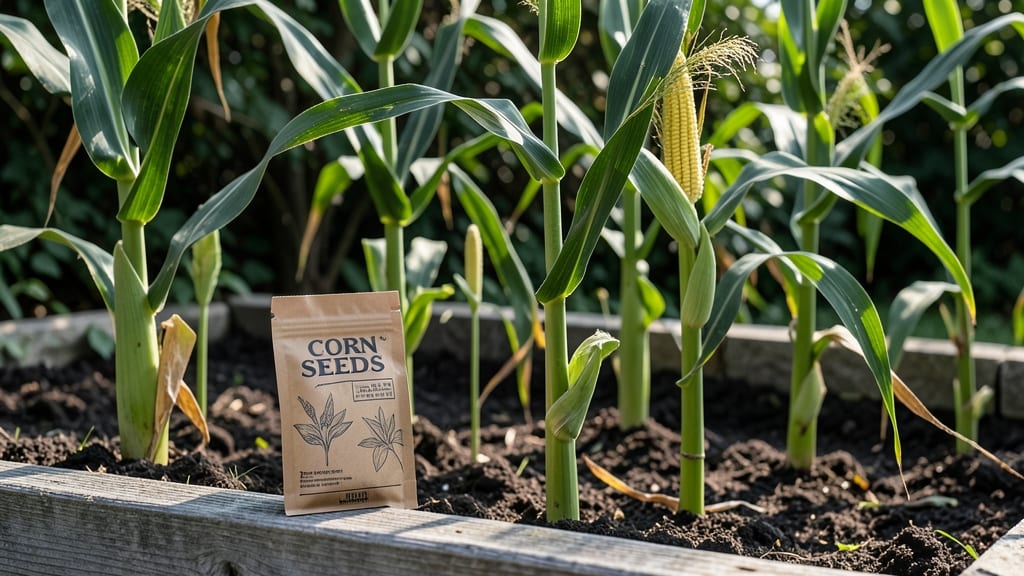
Planting corn in Oklahoma at the right time ensures a high-yield harvest—and the window is narrow, with mid-April to early June being the sweet spot for USDA Zones 7a-7b.
Miss that timing, and you risk frost damage or stunted growth. Too early, and the soil won’t warm enough; too late, and the season shortens before harvest.
The key is waiting for soil temperatures to hit 60°F and planting after the last frost—usually around March 15 in most of the state.
Oklahoma’s climate offers a short but productive growing season for 🌽 corn, but regional microclimates mean adjustments are needed. Urban gardens may need extra soil warming, while rural areas can push slightly later into June for late varieties.
Below, I break down the exact planting schedule by zone, soil prep tips, and how to pick varieties that thrive in Oklahoma’s heat—so you can go from seed to ear in 75-120 days without a hitch.
Optimal corn planting dates in Oklahoma by USDA Zone 7a vs 7b
Timing your corn planting in Oklahoma depends on last frost dates, soil temperatures, and your specific corn variety. In Zone 7a (northern OK), average last frost occurs around April 15, while Zone 7b (southern OK) sees frost-free conditions by March 25.
These differences create a 3-week window for adjusting your planting schedule to avoid frost damage or missed harvests.
For all corn types—sweet corn, field corn, and popcorn—wait until soil temperatures reach 50-60°F at a 4-inch depth. Cold soil slows germination, leading to uneven sprouting. Use a soil thermometer to monitor conditions, especially in Zone 7a, where cooler nights delay warming.
Here’s how to align your planting with Oklahoma’s microclimates for maximum yield:
In Zone 7a, prioritize early-maturing varieties (60–80 days) to avoid first frost risks in November. For example, 'Silver Queen' sweet corn thrives in cooler northern climates and matures before late-summer heat stress.
Meanwhile, Zone 7b gardeners can extend harvests with late-season varieties like 'Black Aztec' popcorn, which handles southern OK’s longer growing season.
For urban gardeners, microclimates near buildings or pavement can warm soil 5–10°F faster than rural areas. Plant dwarf varieties like 'Tom Thumb' in containers or raised beds to capitalize on this heat advantage. Monitor soil temps daily with a thermometer—aim for 60°F+ for 3 consecutive days before planting.
If spring weather stalls, use black plastic mulch to raise soil temperatures by 3–5°F and speed up germination. This technique is especially useful in Zone 7a, where late frosts are common. Remove mulch once plants reach 6 inches tall to prevent overheating.
For a continuous harvest, stagger plantings every 2 weeks from mid-April through early June. This ensures fresh ears from late July to early October, regardless of your zone.
In Zone 7b, you can even squeeze in a fall planting of fast-maturing varieties like 'Golden Bantam' in early August for a September harvest.
Pro tip: Track your local frost-free days (typically 180–210 days in OK) and choose varieties with days-to-maturity that fit within this window. For example, a 90-day variety planted on May 1 in Zone 7a will mature by July 30, avoiding early frost risks.
🌽
How to adjust planting dates for Oklahoma’s unpredictable weather patterns
Oklahoma’s weather can shift faster than a summer storm, making corn planting dates a moving target. Late springs, early frosts, and droughts all demand flexibility.
The key is using soil temperature and microclimate knowledge to fine-tune your schedule—because a 3-week delay can mean the difference between a bumper crop and a sad harvest.
Start by tracking soil temperatures with a probe—corn needs 50-60°F soil to germinate consistently. If your spring is slow to warm, consider black plastic mulch or row covers to accelerate heating.
For Zone 7a, this often means waiting until mid-April, while Zone 7b growers can plant as early as late March in sheltered areas.
For early frosts, which can sneak in as early as October, prioritize fast-maturing varieties (60-75 days). If frost threatens in September, cover plants with row covers or old bedsheets and use string lights for warmth.
My go-to trick is planting near south-facing fences, which absorb heat and delay frost damage by 1-2 weeks.
Drought is another Oklahoma wildcard. If rains skip town, deep watering (1-2 inches per week) is critical—especially during tasseling (when pollen forms). Install a soaker hose along rows to deliver water directly to roots.
For drought-resistant varieties, try 'Golden Bantam' (popcorn) or 'Silver Queen' (sweet corn), which handle heat better than standard types.
Don’t forget backup planting windows. If your April crop gets nipped by frost, June planting can still yield harvests if you choose short-season varieties like 'Early Sunglow' (70 days). Just space seeds 1 inch deep and thin to 12 inches apart—they’ll mature faster in warm soil.
Finally, keep a planting journal to track what works. Note soil temps, frost dates, and rainfall each year. Over time, you’ll spot patterns and adjust your schedule like a pro.
My 2022 lesson: Planting 10 days later than the calendar suggested saved my entire crop from a late frost. 🌽