
Plants
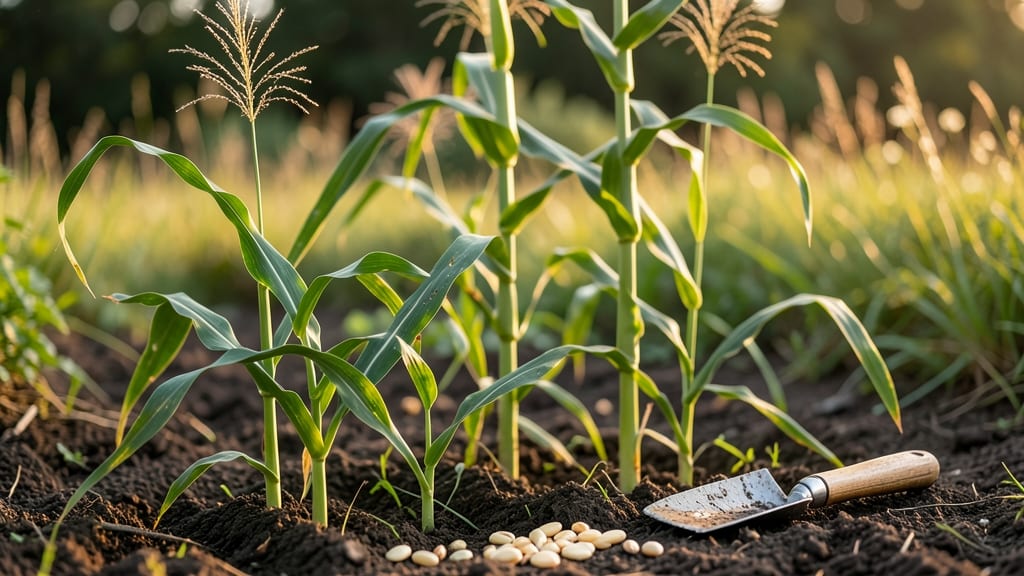
Planting corn in Zone 5b at the right time means the difference between a towering 🌽 harvest and a sad, stunted mess.
Picture this: you’ve prepped the soil, marked your rows, and bought your favorite heirloom seeds—only to watch a late frost nip your seedlings before they even get a chance to grow. Or worse, you plant too late, and the season rushes by before the ears have a shot at maturity.
Zone 5b’s short growing window demands precision, and getting it wrong can leave you with nothing to show for your effort.
But here’s the good news: with the right timing—soil temps of at least 60°F, frost-free dates, and a few smart adjustments—you can turn that risk into a reliable harvest.
Below, I’ll break down the exact window you need, how to read your local climate clues, and the one trick that buys you an extra two weeks of growing time if the season plays hard to get.
No more guessing games. Just science-backed steps to plant your corn when it counts—so you’re feasting on fresh ears by August, not staring at a barren patch of dirt.
Zone 5b corn planting deadlines: frost-free dates and soil temperature rules
Planting corn in Zone 5b requires precise timing to avoid frost damage and ensure strong germination. The average last frost date for this zone is around May 10, but your exact window depends on local microclimates and historical data.
Corn seeds need soil temperatures of 50-60°F to sprout reliably—any cooler, and germination slows or fails entirely. Using a soil thermometer is the best way to confirm readiness.
For most of Zone 5b, the ideal planting window stretches from mid-May to early June, aligning with both frost-free dates and warm soil conditions.
However, northern areas (like Upstate New York or Wisconsin) may need to wait until late May, while southern edges (like Northern Indiana or Ohio) can start earlier. Always check your local USDA frost maps or ask your Cooperative Extension Service for hyper-local advice.
Here’s a quick reference for Zone 5b corn planting deadlines, including soil temperature rules and frost-free benchmarks:
If you’re in a cooler microclimate within Zone 5b, consider using black plastic mulch or row covers to warm the soil and extend your planting window by 1-2 weeks.
These tools can raise soil temperatures by 5-10°F, helping seeds germinate faster and reducing the risk of frost damage to young plants. For example, in Northern Michigan or Maine, mulch might let you plant in early May instead of late May.
For succession planting, plan to sow new seeds every 2-3 weeks until early July. This ensures a steady supply of fresh ears throughout the summer. Choose early-maturing varieties (60-70 days) for your first plantings and medium-maturing varieties (70-80 days) for later ones.
Avoid planting after July 1, as corn needs at least 90 days to mature before the first frost in October.
Pro tip: Use a garden journal to track your local frost dates and soil temperatures for 2-3 years. Note when your corn germinated, how long it took to reach tasseling stage, and when you harvested.
Over time, you’ll refine your planting schedule to match your specific Zone 5b microclimate. For instance, if you notice your soil warms quickly in full-sun beds, you might safely plant earlier than the average date.
One common mistake is planting too early, hoping for warmer soil. Corn seeds planted in cold soil (below 50°F) may rot in the ground or sprout erratically. Always test soil temperature for 3 consecutive days at the target depth (1-2 inches deep) before planting.
If temperatures dip below 50°F at night, delay planting until conditions stabilize.
Remember, Zone 5b’s growing season is short—only about 150 frost-free days on average. To maximize your yield, prioritize fast-maturing varieties and protect your plants with row covers if late frosts threaten. With the right timing, you’ll enjoy sweet, homegrown corn straight from your garden! 🌽
How to adjust corn planting for early or late Zone 5b seasons
Zone 5b’s unpredictable spring weather can throw off even the most experienced gardener. If you plant too early, a late frost will kill tender seedlings. Too late, and your corn won’t mature before the first frost in October.
The key is flexibility—adjusting your approach based on weather patterns and your specific microclimate.
For early seasons, focus on cold-hardy varieties and protective measures. If your spring is late, prioritize succession planting and fast-maturing hybrids. Both strategies require planning, but they’ll help you maximize your harvest regardless of timing. Let’s break down the best methods for each scenario.
Early Zone 5b Season Adjustments
- Extended growing season
- Earlier harvest potential
- Better soil warmth for germination
- Higher frost risk for seedlings
- Requires protective measures
- Limited variety selection
Late Zone 5b Season Adjustments
- More time to establish plants
- Wider variety selection
- Lower frost risk for mature plants
- Shorter harvest window
- Risk of immature plants at frost
- Succession planting required
If you’re dealing with an early spring, start by choosing cold-tolerant corn varieties like 'Early Sunglow' or 'Golden Bantam', which can handle cooler soils. Plant seeds in black plastic mulch or use row covers to warm the soil faster.
For extra protection, create a mini greenhouse with a low tunnel until seedlings are 4 inches tall.
For late springs, shift to fast-maturing varieties (60-70 days to harvest) and plant in succession every 2 weeks until early July. Use warm-season row covers to accelerate growth and extend the season. If frost threatens, cover plants with frost blankets or old bedsheets to protect them until temperatures rise.
Monitor your soil temperature with a soil thermometer—corn needs at least 50°F for germination and 60°F for consistent sprouting. If your soil is still cold in May, wait it out.
Patience now prevents wasted effort later. Never plant corn in cold soil—it won’t germinate properly, leading to weak, uneven growth.
Remember, Zone 5b’s 150 frost-free days are a guideline. Adjust your planting based on your local microclimate—south-facing slopes warm up faster, while low-lying areas stay cooler longer. Keep a garden journal to track your success and refine your approach each year.