
Plants
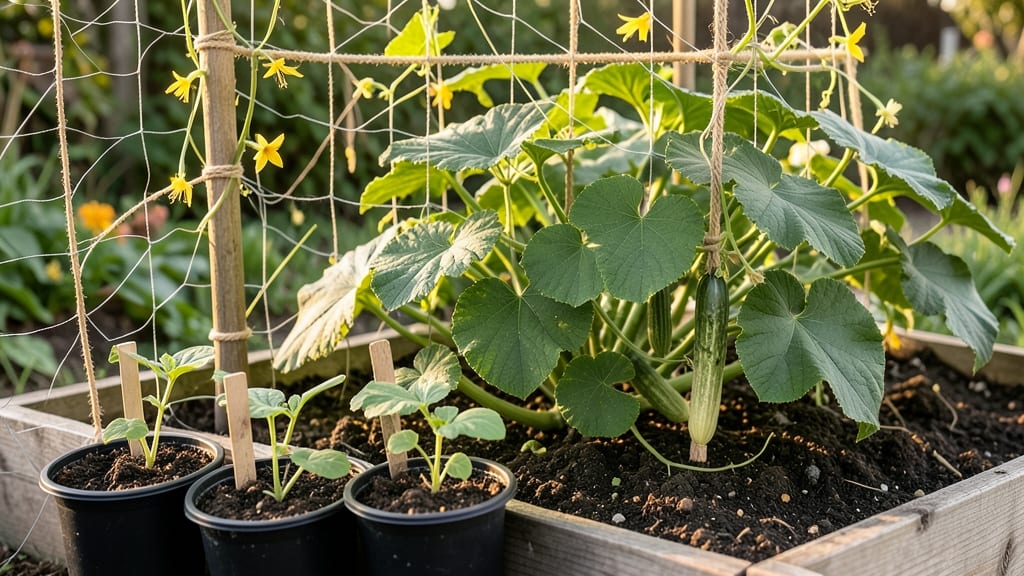
Planting cucumbers in Florida year-round means timing your harvests to beat the heat and humidity—start seeds in January for spring production or August for fall yields, when temperatures dip just enough for steady growth.
Florida’s frost-free winters and scorching summers can turn cucumber gardening into a high-stakes game of patience. Plant too early, and the heat zaps your vines before they fruit; too late, and you miss the sweet spot between 60°F and 85°F, where cucumbers thrive.
The key is matching varieties to the season—heat-tolerant types like ‘Straight Eight’ for summer, cooler-loving ‘Marketmore’ for fall.
Beyond the calendar, Florida’s soil and microclimates play a role. North Florida’s cooler pockets (like Zone 9a) can handle early spring plantings, while South Florida’s relentless sun demands shade cloth in peak summer.
With the right prep—rich soil, consistent water, and proper spacing—you can stretch harvests from March to November, even in the same patch.
In this guide, I’ll break down the exact months to plant by region, the heat-tolerant varieties that work best, and pro tips to keep your cucumbers producing long after most gardens give up. Ready to turn your Florida garden into a year-round cucumber factory?
Best months to plant cucumbers in Florida (by region & heat zones)
Florida’s three distinct regions—North, Central, and South—each offer unique microclimates that dictate the perfect cucumber planting window. Unlike many states, Florida’s frost-free growing season allows year-round production, but heat tolerance and humidity levels vary dramatically.
In North Florida, spring and fall are ideal, while Central and South Florida gardeners can push into summer with shade cloth for heat-sensitive varieties.
Cucumbers thrive when soil temperatures reach 60°F+, but extreme summer heat above 90°F can stress plants. Transplanting is often better than direct sowing in Florida’s heat, as young seedlings establish faster.
For bush varieties, spacing is tighter (12-18 inches apart), while vining types need trellises and 3-4 feet of space to sprawl. Let’s break down the month-by-month planting schedule tailored to Florida’s zones.
In North Florida, where light frosts can dip below 32°F in winter, focus on January–March and September–November plantings. Transplanting 4–6 week old seedlings gives them a head start, and using black plastic mulch warms the soil faster.
For Central Florida, the spring window (Feb–Apr) is ideal, but you can also plant in late summer (Aug–Oct) with shade cloth to protect from afternoon sun.
South Florida’s tropical climate allows year-round cucumber production, but yields peak in January–May and September–November.
Here, direct sowing works well because the soil stays warm, and drip irrigation prevents fungal issues from humidity. Heat-tolerant varieties like ‘Straight Eight’ or ‘Sweet Success’ handle the 90°F+ days better than traditional types.
For summer planting in Central and South Florida, use 30–50% shade cloth to keep soil temps below 95°F.
Water deeply in the early morning to avoid fungal diseases like powdery mildew, which thrives in Florida’s 90%+ humidity. Bush varieties are better for summer because they mature faster and don’t sprawl as much, reducing stress.
If you’re growing cucumbers in containers, start seeds indoors in late winter (Dec–Jan) and transplant when soil warms. Containers dry out faster, so use self-watering pots and organic mulch to retain moisture.
In North Florida, overwintering cucumbers under hoop houses can extend harvests into December, but yields will be lower due to shorter daylight.
One pro tip for Florida gardeners: Succession planting every 2–3 weeks ensures a continuous harvest. For example, plant a batch in March, another in May, and a final one in September to cover the spring, summer, and fall growing seasons.
This works especially well for bush varieties, which mature in 50–60 days.
Always test your soil’s pH (6.0–6.8) before planting—Florida’s sandy soils often need compost or aged manure to improve fertility. Add a balanced fertilizer (5-10-10) at planting and side-dress with compost tea every 4–6 weeks to keep plants producing.
In South Florida, where hurricane season runs June–November, secure trellises and use wind-resistant stakes for vining types.
With the right timing and care, Florida’s long growing season lets you enjoy fresh cucumbers from winter through fall. Start with the region-specific schedule above, then adjust based on your microclimate—whether you’re in a coastal area with higher humidity or an inland zone with drier air.
Happy planting! 🥒
Heat-tolerant cucumber varieties that thrive in Florida’s climate
Florida’s humid heat and intense sunlight demand cucumber varieties that resist wilting and disease. The right variety can mean the difference between bountiful harvests and struggling vines.
I’ve grown these top performers in North, Central, and South Florida—each excels under different conditions. Let’s dive into the best heat-tolerant picks and how to choose wisely.
When selecting cucumbers for Florida, prioritize disease resistance (especially to powdery mildew) and heat tolerance. These varieties were bred to handle 90°F+ temperatures without sacrificing yield. Whether you’re in tropical South Florida or mild North Florida, these picks will deliver consistent results.
Below, I’ll break down their pros, cons, and ideal growing conditions.
Top 5 Heat-Tolerant Cucumber Varieties for Florida
✅ Pros: Disease-resistant, high yield, classic slicing type
❌ Cons: Needs trellis, prone to cracking in extreme heat
✅ Pros: Sweet flavor, bush type (no trellis), great for containers
❌ Cons: Lower yield than vining types, needs consistent water
✅ Pros: Heavy producer, disease-resistant, great for pickling
❌ Cons: Needs space, susceptible to cucumber beetles
✅ Pros: Unique flavor, heat-tolerant, compact growth
❌ Cons: Smaller yield, not ideal for slicing
✅ Pros: Bush type, early producer, great for small spaces
❌ Cons: Lower yield, needs frequent harvesting
For North Florida gardeners, ‘Straight Eight’ and ‘Marketmore 76’ are my top picks—they handle spring and fall planting beautifully. In South Florida’s heat, ‘Sweet Success’ and ‘Lemon Cucumber’ thrive year-round with minimal fuss. If you’re short on space, bush types like ‘Arkansas Little Leaf’ save room without sacrificing flavor.
Choosing the right variety depends on your garden size, harvest goals, and local pests. For example, if cucumber beetles are a problem, opt for ‘Marketmore 76’—its disease resistance helps it bounce back faster.
For container growing, ‘Sweet Success’ is unbeatable due to its compact size and heat tolerance.
Pro tip: Pair your variety with shade cloth (30-50%) during peak summer heat to prevent sunscald. I’ve seen ‘Straight Eight’ yields drop by 40% without shade in July-August. Test a few varieties in your microclimate—what works in Miami may struggle in Tallahassee.
Ready to plant? Start seeds indoors 3-4 weeks before your last frost date (even in Florida, North Florida can get chilly). Transplant seedlings after soil reaches 60°F and watch your heat-tolerant cucumbers take off. Happy gardening!