
Plants
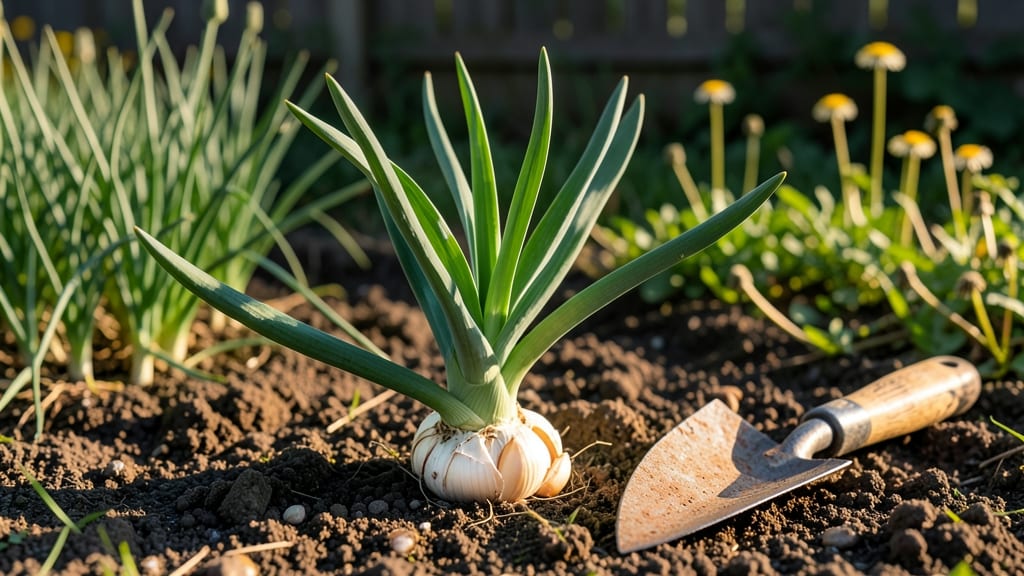
Planting garlic in North Carolina at the right time means the difference between plump bulbs and tiny cloves—fall is the best window for hardneck varieties to thrive in your 7a-8b climate.
North Carolina gardeners know garlic thrives in cold winters—but planting it too late or too early can ruin your harvest. Timing is everything for growing those plump, flavorful bulbs before spring.
For most of the state, the ideal window is October through November, when soil temperatures drop but haven’t frozen yet. This gives the roots time to establish before winter dormancy, setting the stage for large harvests next summer.
Below, I’ll break down the exact dates by region, soil prep tips, and how to avoid common mistakes that shrink your bulbs—so you can grow garlic like a local pro.
Best fall planting dates for garlic in North Carolina by region
North Carolina's diverse climate means garlic planting dates vary dramatically from the Coastal Plains to the Mountains. In my experience, planting too early lets cloves sprout prematurely, while waiting too late risks frost damage.
The key is timing cloves to establish roots 4-6 weeks before ground freezes, giving them time to develop before winter dormancy.
For Coastal Plains gardeners (Zones 8a-8b), milder winters allow a longer planting window. Meanwhile, Mountain growers (Zones 6b-7a) must plant earlier to account for earlier frosts. Even a 2-week difference can mean the difference between a bumper crop and stunted bulbs. Let's break down the ideal windows by region.
Here's my comparison table showing exact planting windows, soil temperature thresholds, and frost dates for each region:
In the Coastal Plains, I've found that planting between October 15 and November 1 gives garlic enough time to establish roots before the first frost typically arrives in mid-November.
The milder winters here mean you can even push planting into early November if needed, though bulbs may be slightly smaller. I always plant hardneck varieties like 'Silverskin' or 'German White' for their cold tolerance.
For Piedmont gardeners, aim for late September to mid-October. This region's moderate climate makes it perfect for both hardneck and softneck varieties. I recommend 'Music' or 'Chesnok Red' for their adaptability.
If you're in the Triangle region, check local frost dates—Raleigh's first frost often arrives around November 15, so adjust accordingly.
Mountain growers face the shortest window but the most reliable cold. Plant between September 1 and September 15 to ensure roots establish before ground freezes in early October. I swear by hardneck varieties like 'Rocha' or 'Creole' for their ability to handle 30°F (-1°C) temperatures.
In Asheville, where I've gardened, planting any later than mid-September risks frost damage to emerging shoots.
One trick I've learned is to use soil thermometers to confirm planting readiness. Garlic cloves need soil temperatures between 40°F and 50°F (4°C-10°C) to sprout properly. If your soil is too warm, wait a week or two—premature sprouting weakens cloves before winter.
I've also found that mulching with straw after planting helps regulate soil temperatures.
Don't forget that spring planting is also possible in North Carolina, though it produces smaller bulbs. If you miss fall, plant again in February for a summer harvest. Just be prepared for pests like thrips to be more active during warmer growing periods.
For fall planting, I always prioritize organic matter-rich soil and well-draining beds to prevent rot during winter.
Pro tip: Mark your calendar with your local first frost date—this is your countdown. Plant garlic 6 weeks before that date to give roots time to establish.
In my garden, I use wooden stakes labeled with planting dates to track progress. This simple system has saved me from forgetting which varieties I planted where
How to prepare garlic cloves for North Carolina’s climate before planting
North Carolina’s mild winters and humid summers demand special care when preparing garlic for planting. Cold-hardy varieties like Silverskin or Artichoke perform best, but proper clove selection and storage are just as critical.
Without the right prep, your bulbs may rot, sprout prematurely, or produce small, weak harvests. Let’s break down my step-by-step process for maximizing bulb size and cold resilience.
First, choose plump, firm cloves from large bulbs—these yield the biggest harvests. Avoid cloves with soft spots or sprouting signs, as they’ll struggle in NC’s unpredictable fall weather.
Store them in a cool, dark place (like a mesh bag in the fridge) for 2–4 weeks before planting. This mimics winter conditions and boosts cold hardiness.
Here’s my foolproof step-by-step guide to preparing garlic cloves for NC’s climate:
- Pick large, firm bulbs (4+ cloves per bulb) from organic sources when possible.
- Discard any cloves with dents, mold, or sprouts—these won’t thrive.
- Save hardneck varieties (like German Red) for cold mountains; softnecks (like Silverskin) suit milder Piedmont.
- Gently separate cloves 1–2 days before planting to reduce rooting time.
- Keep the papery skin intact—it protects against soil-borne diseases common in NC’s humid summers.
- Soak cloves in 1% hydrogen peroxide for 10 minutes to sterilize and prevent fungal infections.
- Store cloves in a mesh bag in the fridge (35–40°F) for 2–4 weeks before planting.
- This strengthens cold tolerance, helping bulbs survive NC’s freeze-thaw cycles.
- Avoid plastic bags—condensation causes rot in humid NC winters.
- Soak cloves in lukewarm water for 4–6 hours before planting to jumpstart root growth.
- Add 1 tbsp wood ash per gallon of water to boost soil pH (NC soils are often acidic).
- Drain well—waterlogged cloves rot in NC’s clay-heavy soils.
After prepping, plant your cloves 4–6 weeks before NC’s first frost (typically mid-October in the Piedmont, early November in the Mountains). Use a well-draining soil mix with compost to mimic the loose, fertile conditions garlic loves.
Mulch heavily with straw or leaves to insulate bulbs through winter—this is non-negotiable in NC’s variable climate.
Pro tip: Label your rows with planting dates. Hardneck varieties need 60–80 days of cold to form bulbs, while softnecks tolerate milder winters. Adjust your prep timeline based on your NC region’s frost dates to avoid small harvests.
With the right preparation, you’ll pull plump, flavorful bulbs by July—worth every step!
🌱