
Plants
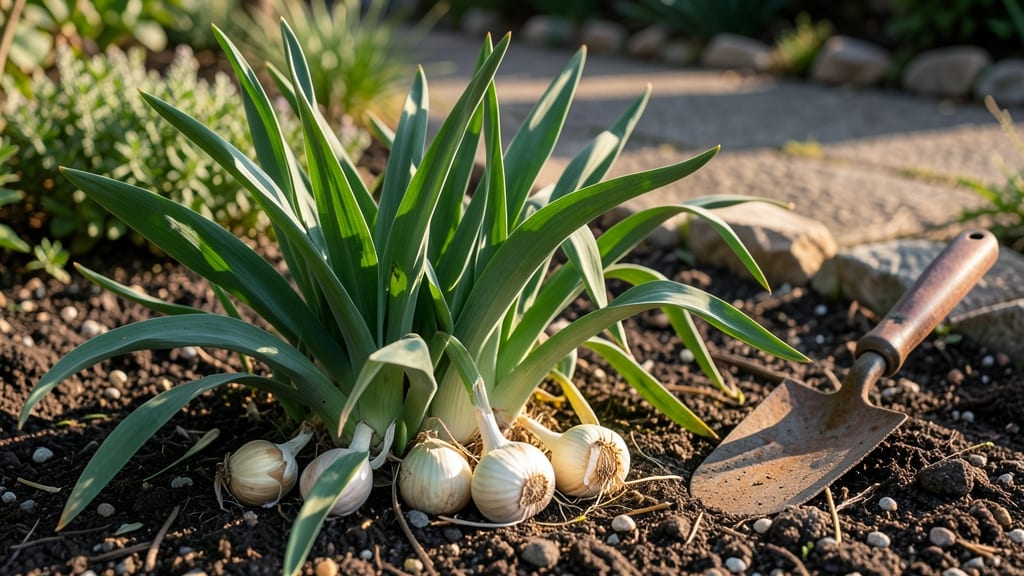
Planting garlic in Oregon between October and November or February and March ensures the best flavor and bulb size, thanks to the region’s unique climate.
Oregon’s mild winters and diverse microclimates—from Portland’s coastal chill to Bend’s high-desert cold—make timing critical. Plant too early, and the cloves rot; too late, and the bulbs stay small. I’ve learned the hard way that even a week off can mean the difference between a harvest and a bust.
Fall planting, the classic method, lets garlic establish roots before winter dormancy, while early spring planting works for regions with unpredictable frost.
Whether you’re in Zone 8b-9a or the cooler Zone 6b-7a of Eastern Oregon, the goal is the same: get those cloves in the ground when soil temps dip to 50°F.
In this guide, I’ll break down the exact planting windows for your area, soil prep secrets for Oregon’s heavy clay or sandy loam, and how to adjust for coastal fog or inland freezes.
By the end, you’ll know not just when to plant, but how to set your garlic up for a bold, flavorful harvest next summer.
Best planting dates for garlic in Oregon by hardiness Zone
Oregon’s diverse microclimates create perfect conditions for growing garlic, but timing your planting is critical. Most gardeners in USDA zones 7-9 plant garlic in fall or early spring, with coastal areas like Portland (Zone 8b-9a) having a longer window than inland areas like Bend (Zone 6b-7a).
The key is planting when soil temperatures drop to 40-50°F—ideal for root establishment before winter dormancy.
Garlic thrives in Oregon’s mild winters, but the first hard frost triggers dormancy. In Zone 7 (Eastern Oregon), aim for October 15-November 1, while Zone 9 (Southern Willamette Valley) can plant until November 15.
Spring planting works too—February-March—but yields may be smaller due to shorter growing seasons.
Here’s how Oregon’s climate affects planting:
• Coastal areas (Zones 8b-9a) have warmer winters and can plant later (up to December 1). • Inland valleys (Zones 7-8a) need earlier planting (October 1-November 15) to avoid winterkill. • High desert (Zone 6b) requires September-October planting for bulb development.
Moon phases also influence planting success. Many Oregon gardeners swear by planting during the waxing moon (when roots grow stronger) or waning moon (for leafy growth). For example, a waxing gibbous moon in late October aligns with ideal soil temps for Zone 8 planting.
Hardneck vs. softneck varieties also factor into timing:
• Hardneck garlic (e.g., ‘German White’) needs cold vernalization—plant in fall only for best results. • Softneck garlic (e.g., ‘Silverskin’) tolerates spring planting but prefers fall for larger bulbs.
Soil temperature is your best indicator. Use a soil thermometer to confirm 40-50°F before planting. In Portland, this often means mid-October, while Bend’s cooler temps trigger planting by late September.
For coastal Oregon, like Astoria or Cannon Beach (Zone 8b-9a), the ocean’s moderating effect extends the planting window. You can safely plant until December 1 if soil temps stay above 45°F. In contrast, inland areas like Pendleton (Zone 6b) must plant by October 15 to avoid winterkill.
Pro tip: Test your soil before planting. Oregon’s clay-heavy soils (common in the Willamette Valley) benefit from compost or aged manure to improve drainage. Aim for a pH of 6.0-7.0—garlic hates acidic soil. A simple soil test kit (available at local nurseries) takes the guesswork out
How to adjust planting for Oregon’s microclimates: coastal vs. inland tips
Oregon’s diverse microclimates create unique challenges for garlic growers. Coastal areas like Astoria enjoy milder winters, while inland regions like Bend face earlier frosts. These differences mean your planting timeline and soil prep must adapt to maximize bulb size and flavor. Let’s break down the key adjustments for each region.
For coastal Oregon, where winters are damp and frost dates are later, you can plant garlic as late as mid-November. The Willamette Valley, including Portland, offers a sweet spot with Zone 8b-9a conditions.
Inland areas, however, like Eastern Oregon, require earlier planting—late September to early October—to avoid premature freezing.
-
1Coastal Regions (e.g., Astoria, Cannon Beach): Plant garlic cloves in October-November for Zone 8b-9a. Soil stays workable longer due to milder winters. Use 6-8 inches of mulch to protect from wet coastal winds.
-
2Willamette Valley (e.g., Portland, Eugene): Aim for late September to mid-October planting. Heavy clay soils? Amend with compost and sand to improve drainage. Hardneck varieties like 'German White' thrive here for larger bulbs.
-
3Inland/Eastern Oregon (e.g., Bend, La Grande): Plant by early October for Zone 6b-7a. Use straw mulch to insulate against harsh frosts and sandy soils. Softneck varieties like 'Artichoke' handle colder temps better.
-
4Soil Prep for Heavy Clay: Mix in peat moss or perlite to break up compaction. Test soil pH—garlic prefers 6.0-7.0. Coastal areas may need drainage trenches to prevent waterlogging.
-
5Frost Management: Coastal garlic can handle light frosts, but inland garlic needs row covers if temps drop below 20°F. Harvest timing shifts too—coastal garlic may be ready 2 weeks later than inland varieties.
Adjusting for soil type is critical. Coastal gardens often struggle with waterlogged soils, while inland areas face drought-prone sandy soils. For clay-heavy areas, raise beds or plant on mounds to improve drainage.
In sandy soils, add compost to retain moisture and nutrients. Both regions benefit from organic matter, but coastal gardens need extra care to avoid fungal diseases from excess moisture.
Timing your harvest also varies by microclimate. Inland garlic in Bend may be ready by late June, while coastal garlic near Astoria might not peak until early August.
Watch for lower leaves browning and bulb skins drying—these are your cues. Rushing harvest can leave bulbs underdeveloped, while waiting too long risks bolt formation.
Pro tip: Hardneck varieties like 'Music' or 'Silverskin' perform best in Willamette Valley, while softnecks like 'California Early' suit milder coastal climates. Choose wisely based on your frost dates and growing season length to ensure bold, flavorful bulbs every year.