
Plants
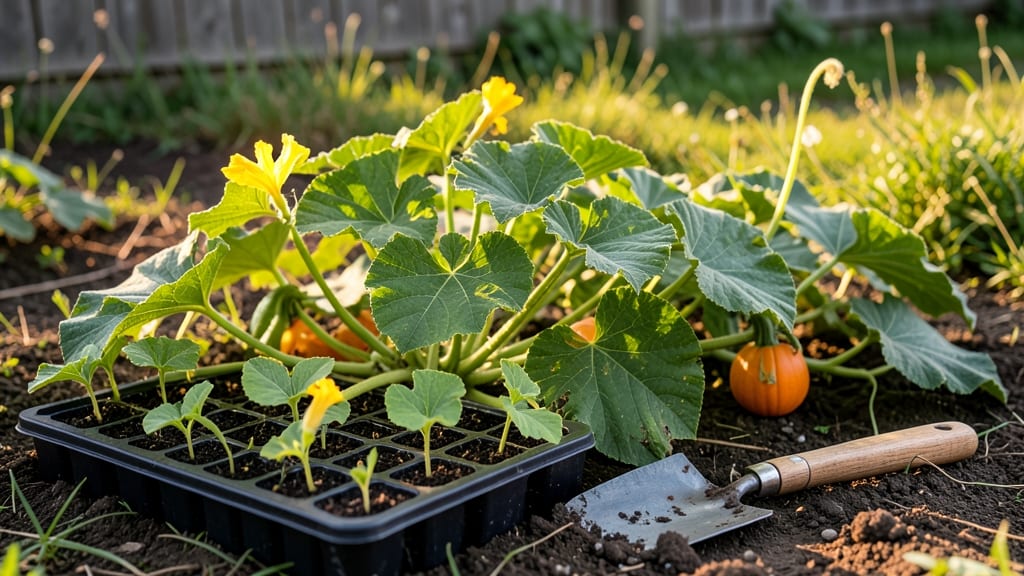
Planting pumpkins in Pennsylvania means timing your seeds perfectly to beat the frost and maximize your harvest—typically between mid-May and early June once soil hits 70°F.
Pennsylvania’s diverse climate—from the cool mountains to the humid valleys—means pumpkin planting deadlines can vary dramatically. Get it wrong, and you’ll risk frost damage or stunted growth. But follow these zone-specific guidelines, and you’ll be carving jack-o'-lanterns from your own harvest in no time.
In USDA Zones 5b-6a, where most of the state falls, aim for late May to early June after the last frost. Warmer zones like 7a can start slightly earlier, while cooler microclimates may need to wait until early June.
Whether you’re direct-sowing or transplanting starters, soil temperature is the key.
Below, I’ll break down exact deadlines by zone, soil prep tips, and how to choose between fast-maturing summer varieties and slower winter squash for a longer harvest window. No more guessing—just a foolproof plan for your 🎃 patch.
Pennsylvania pumpkin planting deadlines by USDA hardiness zones (5-7)
Pennsylvania’s USDA zones 5-7 create distinct planting windows for pumpkins, where timing can mean the difference between a bountiful harvest and disappointing vines. In Zone 5a/5b, cooler temperatures demand earlier starts, while Zone 7a gardeners enjoy a longer growing season.
The key? Planting when soil reaches 70°F and after the last frost date, which varies by region.
For direct-sown seeds, aim for 2-4 weeks after last frost, while transplanting starter plants works best 1-2 weeks after. Northern PA’s Zone 5 areas (like Erie) need earlier deadlines, while southern zones (like Pittsburgh) can plant later.
Let’s break down your exact window based on your zone to ensure optimal pumpkin growth.
| USDA Zone | Last Frost Date | Soil Temp Threshold | Direct Sow Window | Transplant Window | Harvest Ready By |
|---|---|---|---|---|---|
| 5a/5b (Northern PA) | Mid-May | 70°F+ | May 20 - June 5 | June 1 - June 15 | Late Sept - Early Oct |
| 6a/6b (Central PA) | Early May | 70°F+ | May 25 - June 10 | June 5 - June 20 | Late Sept - Mid-Oct |
| 7a (Southern PA) | Late April | 70°F+ | June 1 - June 15 | June 10 - June 25 | Mid-Oct - Early Nov |
In Zone 5a/5b, where frost lingers longer, I recommend starting seeds indoors 4-6 weeks before your direct sow window to give pumpkins a head start. Use biodegradable pots to avoid transplant shock when moving seedlings outdoors.
For Zone 6a/6b, direct sowing works well, but choose fast-maturing varieties like 'Jack Be Little' (75 days) to beat early fall frosts.
Southern PA’s Zone 7a offers the most flexibility, but don’t delay past June 15—pumpkins need 90-120 days to mature. If you’re growing winter squash varieties (like 'Howden'), extend your window by 2 weeks since they store well after harvest.
Always check your local frost dates using resources like the Penn State Extension for precise timing.
Pro tip: Use a soil thermometer to confirm 70°F+ soil temps before planting. Cold soil slows germination, and pumpkin seeds won’t sprout below 60°F. In Zone 5, I’ve seen seedlings struggle when planted too early—wait for consistent warmth to avoid this common mistake.
For transplants, harden off seedlings for 7-10 days before moving them outdoors to prevent shock.
Spacing is critical in PA’s humid climate. Give pumpkins 3-5 feet of space between plants to prevent powdery mildew, a common issue in Pennsylvania’s high humidity. Use raised beds in cooler zones to warm soil faster and improve drainage.
If you’re short on space, try bush varieties like 'Small Sugar', which mature in 85 days and spread only 3 feet.
For urban gardeners, container growing is possible with compact varieties like 'Minnesota Golden'. Plant in 5-gallon pots and use a trellis to save space—just ensure pots stay consistently moist.
In rural areas, allocate 100+ square feet per pumpkin hill for traditional varieties like 'Atlantic Giant', which can produce 100+ pound fruits but need ample room.
Remember: Harvest before frost! Pumpkins ripen unevenly, so check every 3-5 days in late summer. A mature pumpkin has a hard rind and a dry
5 Critical factors that determine your exact pumpkin planting date in PA
Pennsylvania’s microclimates and frost patterns make pumpkin planting a puzzle. While USDA zones provide a starting point, your exact planting window depends on five key variables. Ignoring these can mean stunted vines or frost-nipped fruits.
Let’s break down how each factor shifts your timeline—so you can time it perfectly for jack-o'-lantern-ready pumpkins.
First, soil temperature is your most reliable guide. Pumpkin seeds need consistent warmth of at least 70°F to germinate. In PA’s cooler zones (5a/5b), this often means waiting until mid-to-late May, while warmer southern regions (zone 7a) can start as early as late April.
Use a soil thermometer—don’t guess—or risk seeds rotting in cold soil.
🎃
- 1 Frost Dates: Plant after your last spring frost (PA averages April 15), but verify locally—mountain regions can frost 2-3 weeks later than valleys.
- 2 Soil Warmth: Wait until soil hits 70°F—cold soil delays germination by 1-2 weeks. Test with a thermometer or plant when dandelions bloom (a natural indicator).
- 3 Variety Type: Summer squash (e.g., zucchini) can tolerate cooler soil (60°F), while winter squash (e.g., Howden or Cinderella) need 70°F+. Adjust your timeline by 10-14 days for winter types.
- 4 Seedling Age: Transplant 2-3 week old seedlings for a 2-week head start, but harden them first. Direct-sow seeds in late May if starting from scratch—earlier risks damping off.
- 5 Microclimate: Urban areas (e.g., Philadelphia) warm faster than rural farms in the Poconos. Urban gardeners can plant 10-14 days earlier thanks to heat islands and pavement warmth.
Your pumpkin variety isn’t just about flavor—it dictates your timeline. Summer squash like ‘Early Prolific Straightneck’ can handle cooler soil (60°F) and mature in 50-60 days, giving you flexibility.
But winter squash like ‘Sugar Pie’ or ‘Jack Be Little’ need 90-120 days and warmer soil, so plant them 2 weeks later than summer types.
Don’t overlook seedling age—it’s your secret weapon. Starting seeds indoors 2-3 weeks before your ideal outdoor date gives you a 2-week advantage. For PA, this means mid-April starts for zone 7a or late April for zones 5a/5b. Just harden seedlings for 7-10 days before transplanting to avoid shock.
Finally, urban vs. rural PA can mean 2-week differences in planting. Cities like Pittsburgh or Allentown experience urban heat islands, warming soil faster than rural Lancaster or mountainous Scranton. Check local weather stations—your neighbor’s perfect harvest might be a frosted failure just 20 miles away.
🌱