
Plants
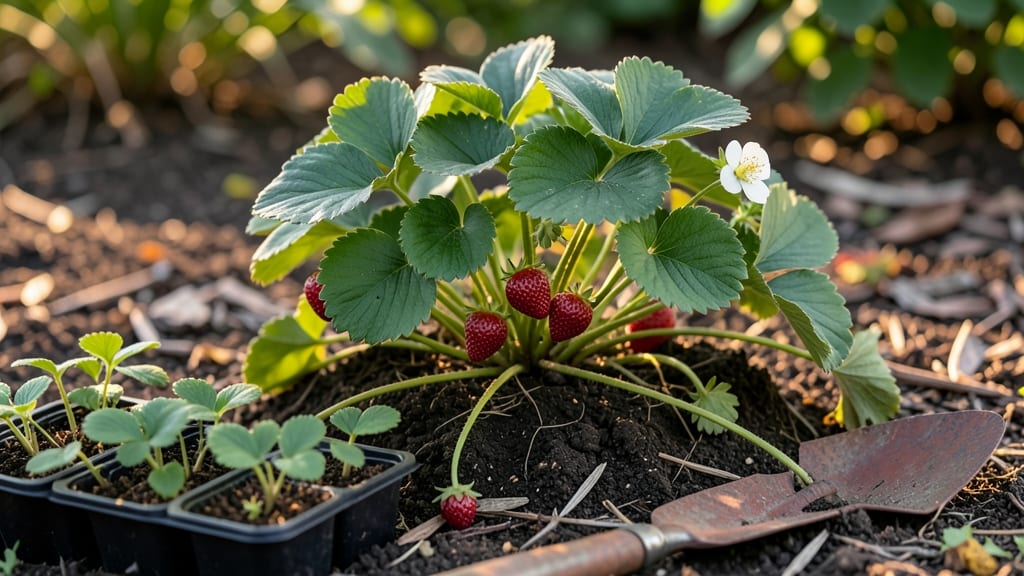
Plant strawberries in Kentucky between mid-March and early April for the best frost-free start, or opt for late summer (August) to beat the heat and extend your harvest.
If you’ve ever watched your 🍓 plants wilt under a surprise frost or bolt in July’s heat, you know timing is everything. Kentucky’s 6a-7a zones demand precision—plant too early, and frost zaps your crop; too late, and summer’s intensity cuts your yield short.
The key is reading the weather: aim for soil temps above 40°F and no more than 30 days until the last frost (usually mid-April). For everbearing varieties, a late-summer planting in August lets you harvest into fall before the first frost hits in October.
Below, I’ll walk you through the exact frost dates by region, soil prep tricks for Kentucky’s clay-heavy soil, and how to protect your plants from late frosts—so you can go from planting to juicy berries without a hitch.
Kentucky strawberry planting zones: frost dates by region (2024 guide)
Kentucky’s diverse climate—from the Bluegrass Region to the Cumberland Plateau—creates unique frost patterns that impact when you can plant strawberries. Most of the state falls within USDA Zones 6a-7a, but microclimates shift planting windows by 2-4 weeks.
According to Kentucky State University Extension, the average last frost date ranges from March 20 in southern Kentucky to April 15 in northern areas.
Understanding these variations is critical because strawberries are frost-sensitive in their early growth stages. Planting too soon risks damaged crowns, while waiting too late reduces your harvest window.
The key is aligning your planting with soil temperatures (at least 40°F) and frost-free forecasts from the National Weather Service.
Here’s how Kentucky’s three main regions differ in frost timing and ideal planting windows:
For June-bearing varieties, aim to plant 4-6 weeks before your region’s last frost to ensure strong root establishment before flowering. Everbearing strawberries are more flexible but still benefit from early spring planting in cooler zones like northern Kentucky.
If you’re in Zone 7a (southern Kentucky), you can even try fall planting for an early spring harvest.
Microclimates play a huge role—urban areas (like Louisville) often warm up faster than rural spots due to the heat island effect. Check local weather stations or use frost-free date calculators from the Kentucky Climate Center to fine-tune your timing.
A row cover can extend your planting window by 1-2 weeks if late frosts are forecasted.
Soil temperature is just as critical as air temperature. Use a soil thermometer to confirm 40°F+ before planting—cold soil delays root growth and increases disease risks. In Kentucky’s clay-heavy soils, amending with compost or sand improves drainage, which is essential for strawberry health.
Pro tip: Bare-root strawberries should be planted in early spring (March-April), while container-grown plants can handle slightly later dates (April-May). If you’re in a warmer microclimate (like a south-facing slope), you might push planting to mid-April without risking frost damage.
For fall planting, focus on late summer (August-September) when soil temperatures drop below 80°F. This gives plants time to establish roots before winter dormancy. Avoid planting after September 15 in most of Kentucky, as new growth won’t harden off before the first frost.
Always monitor weekly frost forecasts from the National Weather Service or Kentucky Mesonet. A single late frost in April can wipe out unprotected strawberry beds, so have frost cloths ready if temperatures dip below 28°F. With the right timing, you’ll enjoy sweeter, larger berries and a longer harvest season.
Step-by-step strawberry planting schedule for Kentucky gardens
Kentucky’s strawberry planting window is short but sweet—timing your June-bearing and everbearing varieties correctly ensures a bountiful harvest. The key is planting bare-root plants in early spring or container-grown varieties in late summer, avoiding the last frost date (typically mid-April) that can devastate tender new growth.
For June-bearing strawberries, focus on early spring planting (March-April) to give roots time to establish before fruiting. Everbearing varieties offer flexibility—plant them in late summer (August-September) for a fall harvest or in early spring for a spring crop.
Both strategies work in Kentucky’s USDA zones 6a-7a, but soil prep and frost protection make all the difference.
📅 Kentucky Strawberry Planting Timeline
- 1 Late Winter (February): Test soil pH (5.5–6.5) and amend with compost or peat moss if needed. Order bare-root plants from nurseries.
- 2 Early Spring (March 1–April 15): Plant bare-root strawberries in raised beds or well-draining soil. Space plants 12–18 inches apart in rows 24 inches apart.
- 3 Post-Planting (April): Apply 2–3 inches of straw mulch to retain moisture and suppress weeds. Use row covers if frost threatens (32°F or lower).
- 4 Late Summer (August 1–September 15): Plant everbearing varieties or June-bearing replacements. Use pine needles for mulch to acidify soil slightly.
- 5 Frost Protection (April–May): Monitor forecasts and cover plants with frost blankets or cloches if temps drop below 35°F. Remove covers by 10 AM to avoid overheating.
- 6 Harvest Time (June–August): Pick berries when fully red and slightly soft. For everbearing varieties, expect two harvests: spring and fall.
Kentucky’s clay-heavy soils can slow drainage, so amend beds with sand or compost to improve airflow. Everbearing varieties like Albion or Seascape thrive in Kentucky’s heat, while June-bearing favorites like Chandler reward patience with larger berries. Always plant in full sun (6+ hours) to maximize sweetness and yield.
Pro tip: Renovate your strawberry patch every 3–4 years by removing old plants and replanting in fresh soil. This breaks disease cycles and keeps your Kentucky strawberries productive for decades. Start small with 6–10 plants to test your soil and microclimate before scaling up!
🌱