
Companion Plants
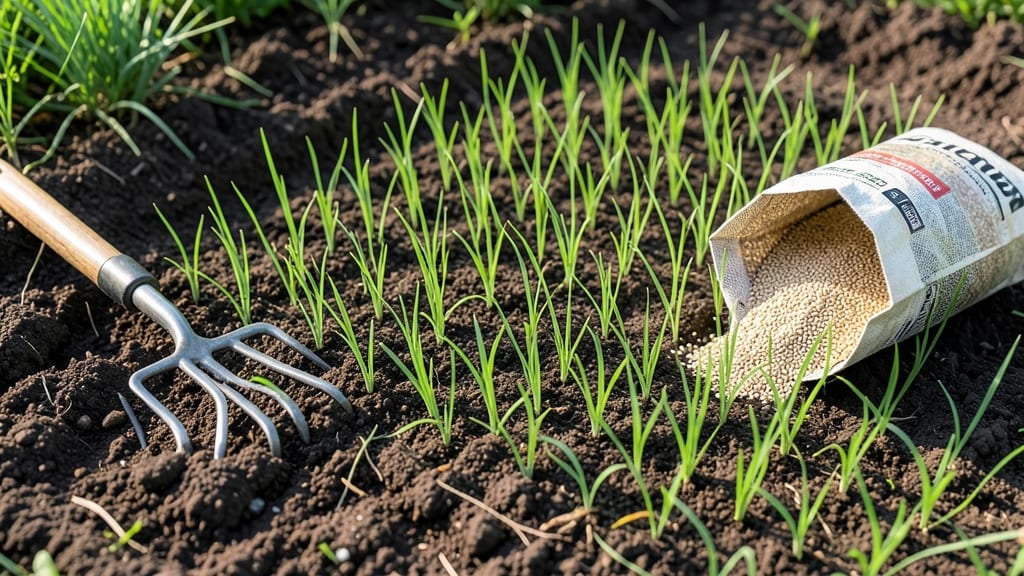
Planting grass seed in spring at the right time means the difference between a fast, thick lawn and weeks of frustration—so let’s cut to the chase: aim for when soil temperatures hit 55–65°F and after your last frost.
Timing your grass seed planting in spring can mean the difference between a lush, green lawn by summer and weeks of patchy, slow growth—so why leave it to guesswork?
Cool-season grasses like fescue and rye thrive in early spring (March–April), while warm-season varieties such as Bermuda and Zoysia wait for late spring (May–June). Missing the window means slower root growth or even seed failure.
Below, I’ll break down the exact deadlines by USDA zone, how to test soil readiness, and the 3 critical steps to ensure your grass takes off in 2–3 weeks instead of months.
Optimal spring planting windows by US hardiness Zones for fast grass establishment
Spring is the perfect time to plant grass seed, but timing varies dramatically by USDA hardiness zone and grass type. Cool-season grasses like Kentucky Bluegrass and Fescue thrive when planted in early spring, while warm-season varieties such as Bermuda and Zoysia need the heat of late spring.
Missing these windows can delay germination by weeks or even months, leaving your lawn vulnerable to weeds and soil erosion.
Soil temperature is your most critical guide—aim for 50-65°F for cool-season grasses and 65-75°F for warm-season types. A soil thermometer is your best tool, but you can also use the "squish test": if a handful of soil crumbles when dry but holds shape when moist, it’s ready.
Microclimates (like shaded areas or urban heat islands) can shift these deadlines by 1-2 weeks, so adjust accordingly.
Here’s a breakdown of your zone-specific planting deadlines to ensure fast, even germination and a thick lawn by summer:
In Zones 3-5, cool-season grasses like Tall Fescue should hit the ground by early April—before weeds wake up. Wait until soil warms to 50°F to avoid seed rot. Meanwhile, Zones 8-9 gardeners can start Bermuda grass as early as March, but be prepared to water daily until roots establish.
Pro tip: In Zone 7, split the difference—plant cool-season grasses in March and warm-season in late May to avoid summer stress.
Don’t let microclimates throw off your timing. A north-facing yard in Zone 6 might need a 2-week delay compared to a south-facing lawn. Test soil in multiple spots: shade stays cooler longer, while pavement radiates heat and can dry out seeds faster.
If your area has unpredictable spring rains, opt for drought-tolerant varieties like Fine Fescue and plant when forecasts call for dry weather.
After planting, consistent moisture is key—water lightly twice daily for the first week to keep seeds from drying out. Once sprouts appear (typically 7-14 days), deep water 1/2 inch per week to encourage deep root growth.
Avoid walking on new grass until it’s 3-4 inches tall—this prevents soil compaction and uneven growth. In Zones 10-11, where winters are mild, focus on warm-season grasses and use shade cloth to protect seedlings from intense afternoon sun.
If you miss the ideal window, don’t panic. Late spring plantings can still succeed with shade cloth and drip irrigation to maintain moisture. For cool-season grasses, a fall replanting (August-September) often yields better results.
Warm-season grasses, however, won’t tolerate frost, so late plantings may struggle—opt for fast-germinating varieties like Centipede grass if you’re pushing the deadline.
Remember: soil prep is half the battle. Before planting, till the top 2-3 inches of soil, remove debris, and apply a starter fertilizer with phosphorus to boost root development. In sandy soils, mix in compost to retain moisture, while clay soils benefit from gypsum to improve drainage.
These steps ensure your grass seed has the best chance to thrive, no matter your zone.
By following these zone-specific deadlines and adjusting for local conditions, you’ll be rewarded with a thick, green lawn by summer—no guesswork required. Happy planting! 🌱
5 Critical signs your spring soil is ready for grass seed (before you plant)
Planting grass seed too early or late in spring can leave you with patchy growth or wasted seed. Instead of guessing, check these 5 critical signs to confirm your soil is primed for success. The right conditions mean faster germination and a thicker lawn by summer.
First, your soil temperature should consistently stay between 55-65°F during the day. Use a soil thermometer to test—cool soil slows germination, while warm soil speeds it up. This is especially true for cool-season grasses like fescue or bluegrass.
Next, perform the sponge test for moisture: Press your hand into the soil about 1 inch deep. If it feels damp but not soggy, it’s ready. Overly wet soil suffocates seeds, while dry soil won’t support root growth. Aim for soil that holds moisture like a well-wrung sponge.
🌱 5 Signs Your Soil Is Ready for Grass Seed
- 1 Soil temp 55-65°F: Test with a thermometer—consistent warmth speeds germination.
- 2 Moist but not soggy: Press your hand in—damp soil holds moisture without drowning seeds.
- 3 Weeds suppressed: Pull or mulch weeds—competition steals nutrients from new grass.
- 4 Good drainage: Puddles after rain? Amend soil with compost to improve water flow.
- 5 No frost risk: Wait 2 weeks after your last frost date—cold snaps kill tender seedlings.
Weeds are another red flag. If your lawn is overrun with crabgrass or clover, tackle them first. Use a pre-emergent herbicide or pull weeds by hand—competition can delay grass growth by 3-4 weeks. A clean slate ensures your new grass gets the nutrients it needs.
Don’t overlook drainage. After a rainstorm, check for standing water. Poor drainage leads to rot and fungal diseases. If your soil is clay-heavy, mix in 2-3 inches of compost or sand to improve airflow. Well-draining soil keeps roots healthy and speeds up establishment.
Avoid these common mistakes: Planting before the last frost, skipping soil prep, or watering inconsistently. Seedlings need consistent moisture—like a damp sponge—to germinate. Once planted, keep the soil evenly moist for the first 2-3 weeks to encourage strong root development.